A Guide to Selecting and Using Storage Batteries in Cold Regions
Struggling with battery performance in freezing temperatures? Cold climates can drastically reduce battery efficiency and lifespan, but the right strategies can make all the difference.
To optimize storage batteries in cold regions, choose lithium-ion or nickel-based batteries, implement proper insulation, and maintain optimal charge levels to prevent capacity loss and extend lifespan.
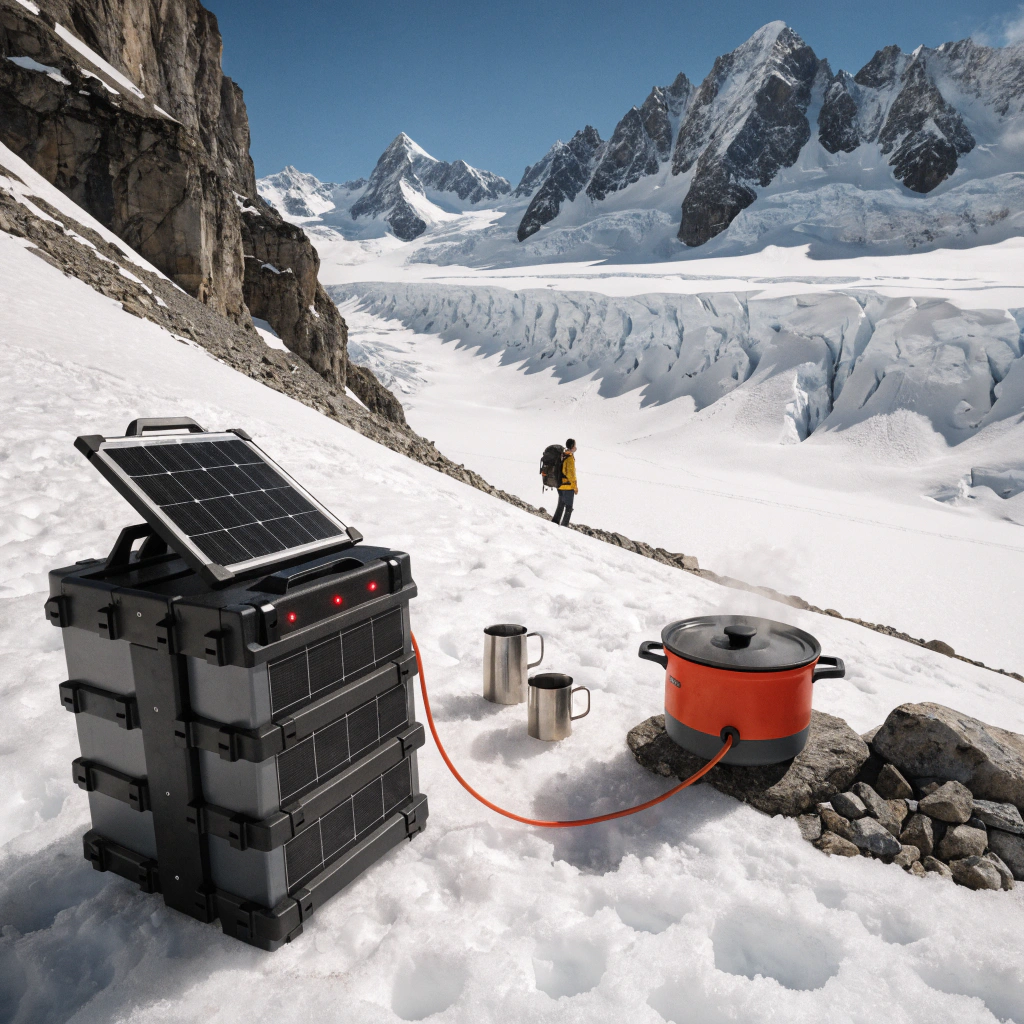
Cold weather doesn’t have to mean dead batteries. By understanding the challenges and applying targeted solutions, you can keep your energy storage systems running smoothly even in sub-zero conditions.
How to Enhance Storage Battery Durability in Low-Temperature Environments?
Ever watched your battery drain faster than usual in the cold? Temperature drops can slash performance, but proactive measures can counteract these effects.
Enhance battery durability in cold climates by using temperature-resistant battery types, maintaining a partial charge, and employing heating systems to stabilize internal temperatures.
Critical Factors for Cold-Weather Battery Performance
-
Battery Chemistry Matters
- Lithium-ion: Performs better than lead-acid but still loses 20-30% capacity below freezing.
- Nickel-based: More resilient in cold but requires careful charge management.
-
Optimal Charge Levels
- Keep batteries at 40-80% charge to reduce stress.
- Avoid full discharges, which accelerate degradation.
-
Heating Solutions
- Use battery warmers or insulated enclosures.
- Active heating systems (e.g., resistive or PCM-based) maintain efficiency.
| Strategy | Benefit | Example |
|---|---|---|
| Insulated Enclosures | Reduces heat loss | Polyurethane foam boxes |
| Active Heating | Prevents freezing | Resistive heating pads |
| Partial Charging | Extends cycle life | 50-70% charge in storage |
Insulation Design for Storage Batteries: Ensuring Operation in Extreme Cold
What happens when batteries freeze? Catastrophic failure. Proper insulation is the key to reliability in harsh winters.
Effective insulation for storage batteries includes thermal barriers, phase-change materials (PCMs), and active heating to maintain operational temperatures and prevent freezing damage.
Insulation Techniques Compared
-
Passive Insulation
- Materials: Aerogel, foam, or fiberglass.
- Pros: Low maintenance, no power needed.
- Cons: Limited effectiveness in extreme cold.
-
Active Heating Systems
- Types: Electric heaters, liquid circulation.
- Pros: Precise temperature control.
- Cons: Higher energy consumption.
-
Phase-Change Materials (PCMs)
- How it works: Absorbs/releases heat at specific temps.
- Best for: Buffering against temp fluctuations.
Battery Performance Comparison in Cold:
| Battery Type | Temp Range (°C) | Capacity Loss at -20°C |
|---|---|---|
| Lead-Acid | -20 to 50 | 50%+ |
| Lithium-Ion | -20 to 60 | 20-30% |
| Nickel-Cadmium | -40 to 50 | 15-20% |
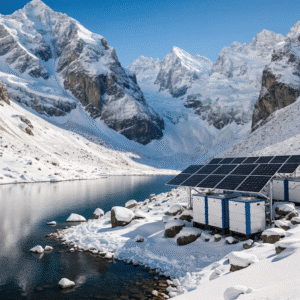
Photovoltaic Storage Systems in Cold Regions: Optimized Design and Usage Strategies
Solar panels in snow? Yes, but battery storage needs extra care to handle the cold.
For PV storage in cold climates, integrate temperature-regulated battery banks, tilt panels for snow shedding, and use MPPT charge controllers to compensate for reduced efficiency.
Cold-Climate PV Storage Best Practices
-
Battery Placement
- Underground or insulated enclosures reduce temp swings.
- Avoid direct exposure to wind/snow.
-
Snow Management
- Angled mounts (≥30°) encourage snow slide-off.
- Heated panels (rare but effective).
-
Charge Controller Adjustments
- MPPT controllers optimize voltage in low-light winters.
- Temperature sensors adjust charging rates dynamically.
Winter vs. Summer PV Output:
| Factor | Winter Impact | Mitigation Strategy |
|---|---|---|
| Daylight Hours | Shorter days | Increase panel tilt |
| Snow Cover | Blocks sunlight | Automatic tilting/brushing |
| Battery Efficiency | Reduced capacity | Insulation + heating |
Conclusion
Maximize cold-region battery performance by selecting resilient chemistries, implementing insulation, and optimizing PV system design for winter conditions.