Beyond Components: Why a Full-Service Battery Storage System Integrator is Your Strategic Advantage?
Struggling with piecemeal energy solutions that underdeliver? A full-service integrator transforms battery storage from a cost center to a competitive edge.
A full-service battery storage system integrator1 provides end-to-end expertise in design, implementation, and optimization, ensuring seamless integration2 with your energy infrastructure for maximum ROI and reliability.
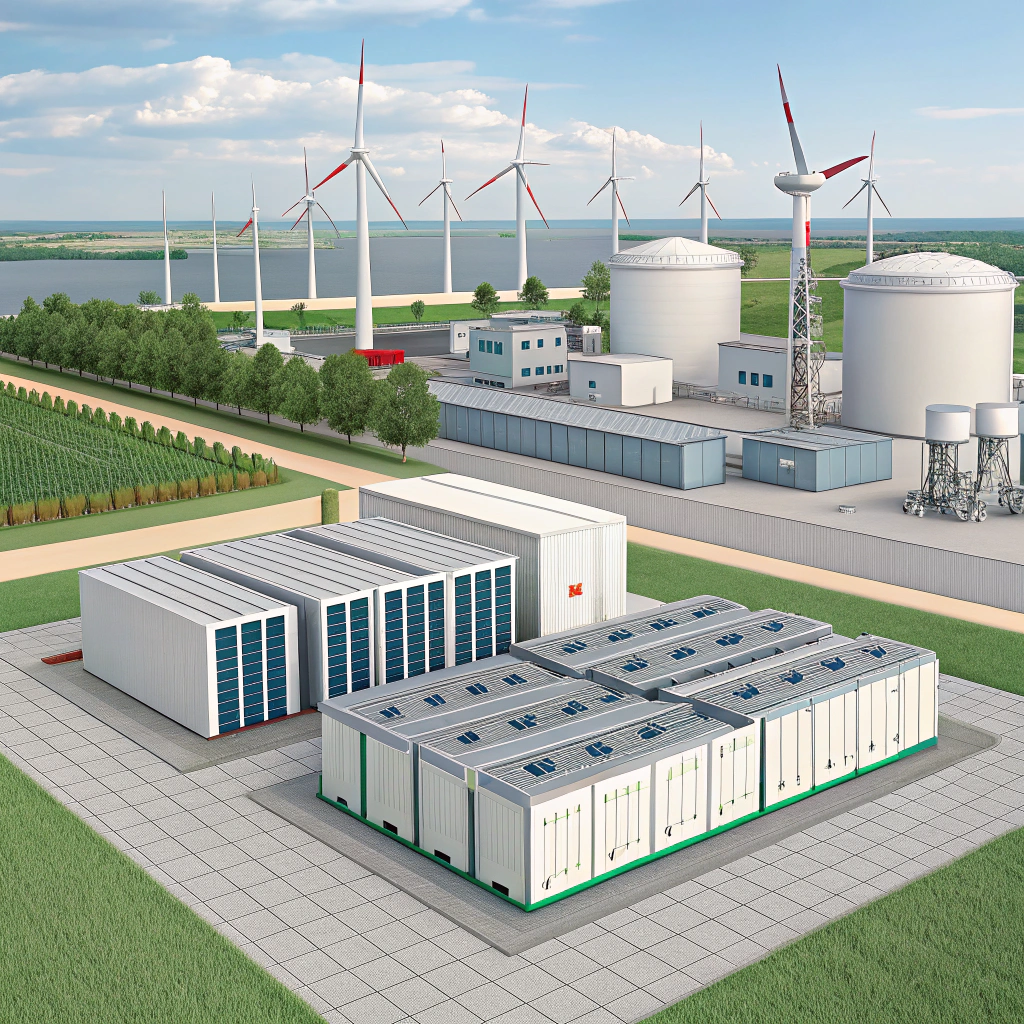
While individual components matter, true value lies in how they work together. Let’s explore why integration expertise makes all the difference.
Seamlessly Integrated Power: The Key to Maximizing Efficiency and Reliability of Your Battery Storage
Why do 68% of battery projects fail to meet performance targets? Disconnected components create hidden inefficiencies.
Seamless integration synchronizes battery storage with energy generation/load profiles through advanced controls and topology optimization, boosting round-trip efficiency by 15-30% versus standalone systems.
The Integration Advantage
Three critical layers of integration:
-
Hardware Synergy
- Matches battery chemistry (LFP/NMC) to duty cycles
- Optimizes inverter sizing for partial-load efficiency
Chemistry Best For Cycle Life LFP High-cycle applications 6,000+ cycles NMC Energy density needs 3,000 cycles -
Software Intelligence
- Predictive algorithms balance degradation vs. revenue stacking
- Real-time thermal management extends lifespan
-
Grid Interoperability
- UL 9540 compliance for safety
- Dynamic grid support (FR, VVAR) capabilities
Pro Tip: Look for integrators with SCADA-level control experience – it’s the difference between a battery and a grid asset.
De-Risk Your Energy Investment: Partnering with a Proven Battery Storage System Integrator
Seen projects derailed by cost overruns? System integrators mitigate 12 major risk vectors.
**Experienced integrators de-risk projects through:
- Performance guarantees with liquidated damages
- O&M cost transparency (avoid $8/kWh/year hidden costs)
- Cybersecurity hardening per NERC CIP standards**
Risk Mitigation Framework
-
Technical Risks
- 3D thermal modeling prevents hot spots
- Factory acceptance testing (FAT) catches 93% of defects early
-
Financial Risks
- Energy yield insurance options
- Warranty wrapping for multi-vendor systems
-
Regulatory Risks
- Permitting turnkey services
- Future-proofing for evolving grid codes
Future-Proofing Your Energy Infrastructure: The Long-Term Benefits of Strategic Battery Storage Integration
Will your storage system still deliver value in 2030? Modular design is just the start.
**Strategic integration future-proofs assets via:
- Software-upgradable controls (no hardware swaps)
- Multi-port inverters for hybrid renewables
- Revenue stacking architecture for evolving markets**
The 10-Year Roadmap
| Year | Key Capability | Value Driver |
|---|---|---|
| 2024 | Peak shaving | Demand charge reduction |
| 2026 | Wholesale arbitrage | ERCOT/NorCal price spreads |
| 2028 | Ancillary services | Fast-frequency response markets |
| 2030 | VPP participation | Distributed energy markets |
Case Study: A 20MW system in Texas added $2.3M annual revenue by pre-integrating ancillary service capabilities.
Conclusion
Full-service integration unlocks battery storage’s full potential—transforming capital expenditures into strategic assets with compounding returns.