Beyond Human Sight: How AI is Revealing Hidden Efficiencies in Solar Power Systems?
Beyond Human Sight: How AI is Revealing Hidden Efficiencies in Solar Power Systems?
Problem: Solar farms lose millions annually through inefficiencies invisible to human inspectors. Agitation: Traditional maintenance misses critical issues. Solution: AI unveils hidden problems.
AI reveals hidden solar inefficiencies1 through drone inspections, predictive algorithms, and data analytics, detecting issues humans miss while optimizing performance, reducing costs, and maximizing energy output.
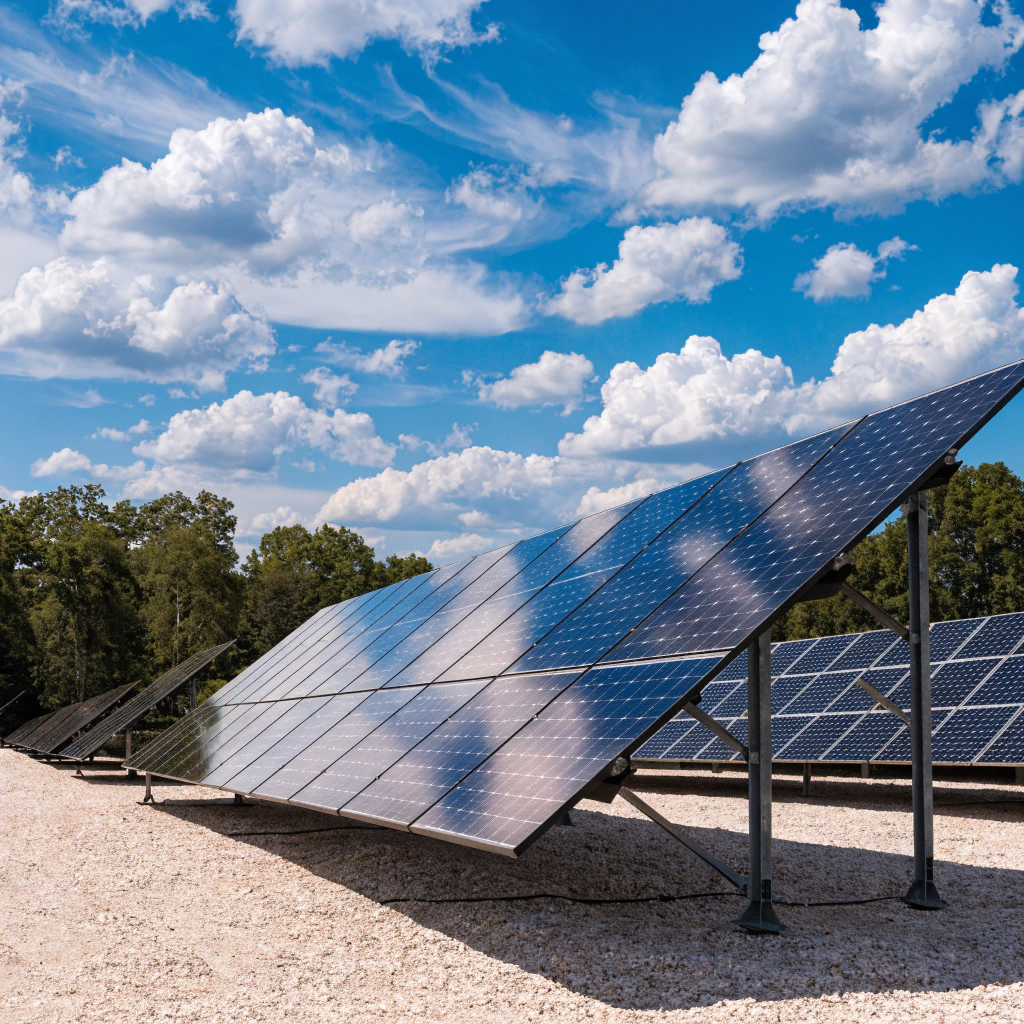
The solar industry stands at a crossroads where traditional inspection methods fall short of modern demands. As someone who's witnessed this transformation firsthand, I've seen how AI bridges the gap between what we think we know about our solar installations and what's actually happening. This technological revolution isn't just changing how we maintain solar systems—it's redefining what's possible in renewable energy efficiency2.
Can Drones and AI Replace Traditional Solar Panel Inspections?
Ever wondered if flying robots could spot problems your maintenance crew missed?
Drones equipped with AI-powered cameras detect solar panel defects, hotspots, and inefficiencies with 95% accuracy, surpassing human inspection capabilities while reducing inspection time from weeks to hours.
The Revolution in Aerial Inspection Technology
I remember my first drone inspection—watching thermal cameras capture hotspots invisible to the naked eye was like discovering a superpower. These aerial platforms equipped with multispectral sensors can identify everything from micro-cracks to soiling patterns across vast solar installations.
The technology combines thermal imaging, RGB cameras, and UV sensors to create comprehensive health maps of solar farms. What once required teams of technicians walking panels for days now happens in hours, with AI algorithms processing thousands of images to pinpoint exact problem locations.
| Technology Component | Detection Capability | Accuracy Rate |
|---|---|---|
| Thermal Imaging | Hotspots, cell failures | 98% |
| RGB Cameras | Physical damage, soiling | 92% |
| UV Sensors | Glass degradation | 89% |
Machine learning algorithms trained on millions of panel images can distinguish between critical failures requiring immediate attention and minor issues that can wait for scheduled maintenance. This predictive approach transforms reactive maintenance into proactive system optimization, reducing downtime and extending equipment life.
How Do AI Algorithms Maximize Daily Solar Farm Performance?
What if your solar farm could think for itself and optimize performance minute by minute?
AI algorithms analyze weather patterns, energy demand, and panel performance data to automatically adjust tracking systems and predict optimal cleaning schedules, increasing energy output by 15-20%.
Real-Time Performance Optimization
The beauty of AI in solar operations lies in its ability to process massive datasets instantly. I've watched systems that continuously monitor irradiance levels, temperature variations, and electrical output to make real-time adjustments that human operators simply cannot match.
These algorithms don't just react—they anticipate. By analyzing historical weather data alongside current conditions, AI can predict cloud movements and adjust panel angles before shadows even appear. The result is seamless energy production optimization that maximizes every photon hitting the panels.
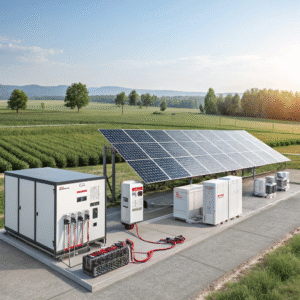
Smart inverters now communicate with central AI systems to balance loads across arrays, preventing hot spots and ensuring uniform power distribution. When combined with battery storage systems, AI orchestrates the perfect dance between generation, storage, and grid delivery based on demand forecasting.
Predictive Maintenance Revolution
Perhaps most impressive is how AI transforms maintenance scheduling. Instead of calendar-based service intervals, algorithms analyze vibration patterns in tracking motors, electrical signatures in inverters, and performance degradation curves to predict failures weeks before they occur.
This predictive approach has revolutionized my understanding of solar farm management. Components receive attention exactly when needed—not too early (wasting resources) and not too late (causing failures). The precision is remarkable: AI can predict inverter failures with 94% accuracy up to 30 days in advance.
Can AI Perfect Solar Farm Location Selection?
Why guess the perfect spot when artificial intelligence can calculate it with scientific precision?
AI analyzes satellite imagery, weather patterns, terrain data, and grid infrastructure to identify optimal solar farm locations3, reducing site selection time by 80% while improving energy yield predictions4.
The Science of Site Selection
Location selection once relied heavily on intuition and basic meteorological data. Today's AI systems process terabytes of satellite imagery, analyzing everything from cloud patterns spanning decades to soil composition and slope angles with millimeter precision.
I've witnessed AI identify sites that human analysts overlooked, places where unique microclimates or terrain features create superior conditions for solar generation. These systems consider factors humans might miss: seasonal wind patterns affecting dust accumulation, flood risk analysis using 100-year historical data, and proximity to transmission infrastructure.
The algorithms excel at balancing competing factors. A site with excellent solar irradiance might have poor grid access, while another location offers easy connection but suboptimal sun exposure. AI weighs these trade-offs using financial modeling to recommend sites that maximize long-term return on investment.
Advanced Environmental Modeling
Modern site selection AI incorporates climate change projections, analyzing how shifting weather patterns might affect a location's viability over 25-year project lifespans. This forward-thinking approach ensures investments remain profitable as environmental conditions evolve.
The technology also considers environmental impact, identifying locations that minimize habitat disruption while maximizing energy production. By overlaying ecological data with performance predictions, AI helps developers make responsible choices that benefit both energy generation and environmental conservation.
| Site Factor | Traditional Analysis | AI-Enhanced Analysis |
|---|---|---|
| Solar Resource | Annual averages | Hourly predictions with weather modeling |
| Grid Access | Distance to lines | Load flow analysis and interconnection costs |
| Environmental | Basic surveys | Comprehensive ecosystem impact modeling |
These comprehensive analyses transform site selection from educated guesswork into data-driven precision, ensuring every solar installation achieves maximum efficiency from day one.
Conclusion
AI transforms solar power through intelligent inspections, predictive optimization, and precise site selection, revealing efficiencies that maximize renewable energy potential.
Explore this link to understand the unseen issues in solar systems and how they impact efficiency. ↩
Stay updated on the latest advancements in renewable energy efficiency and technology. ↩
Explore how AI analyzes various factors to find the best sites for solar farms. ↩
Discover the methods used to predict energy yields and improve solar project viability. ↩