Beyond Power Generation: How Solar Panels Are Becoming Catalysts for Desert Restoration?
Deserts are expanding at an alarming rate, swallowing fertile lands and displacing communities. Could solar panels be the unexpected hero in reversing this environmental crisis?
Solar panels are emerging as powerful tools for desert restoration1 by providing shade that reduces evaporation, enabling vegetation growth, and creating microclimates2 that combat desertification effectively.
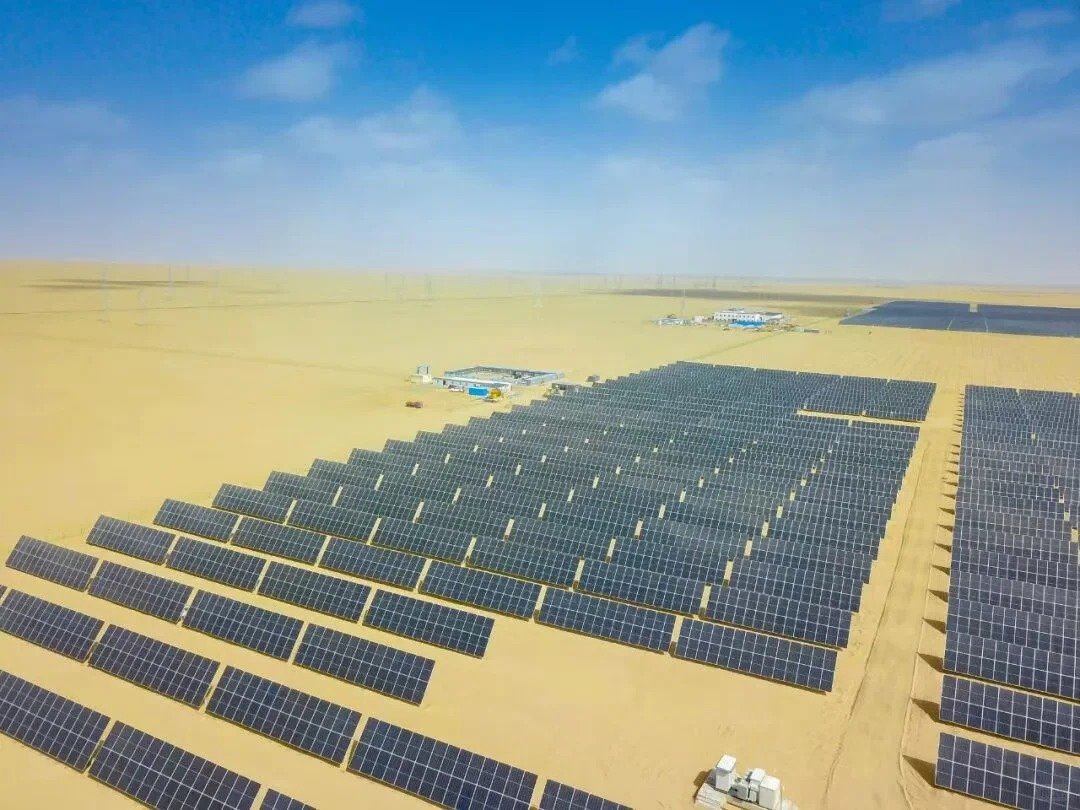
The traditional view of solar panels as mere electricity generators is rapidly evolving. These photovoltaic structures3 are now being recognized for their ability to transform arid landscapes, offering a dual solution to energy needs and ecological restoration.
Tackling Desertification Head-On: Solar Panel Innovations for a Greener Planet
What if the same technology powering our homes could also breathe life back into barren wastelands?
Innovative solar panel installations in deserts create shaded areas that lower ground temperatures by 15-20°C, significantly reducing water evaporation and allowing native plants to thrive where they couldn't before.
The Science Behind Solar-Assisted Greening
The photovoltaic effect does more than generate electricity - it creates microhabitats:
-
Temperature Regulation
- Solar panels reduce direct sunlight exposure by 30-50%
- Ground temperature under panels remains stable day/night
-
Water Conservation
Condition Evaporation Rate Full sun 10mm/day Under panels 3mm/day -
Biodiversity Boost
- 58% increase in plant biomass observed under solar arrays
- Creates habitats for insects and small mammals
Recent projects like China's Kubuqi Desert solar farm demonstrate how strategic panel placement can initiate ecological succession, with perennial grasses returning within 3 years of installation. The panels essentially act as "nurseries" for desert plants, protecting young shoots from extreme conditions while clean energy production continues overhead.
Investment in a Greener Tomorrow: Exploring the ROI of Large-Scale Solar Desert Greening
Can environmental restoration actually be profitable? The numbers might surprise you.
Large-scale solar desert greening projects deliver 12-18% ROI through energy sales4 combined with restored land value, carbon credits, and agricultural potential, making them financially viable long-term investments.
The Multilayered Economic Benefits
-
Direct Energy Revenue
- Standard solar farm income streams
- Increased efficiency due to cooler panel temperatures
-
Land Value Appreciation
- Restored land gains 300-500% value over 10 years
- Becomes suitable for agrovoltaic farming
-
Ecological Credits
- Carbon sequestration payments
- Biodiversity offset credits
A 2023 study in Morocco showed that combined energy and agricultural yields from solar-greened desert areas generated 23% higher returns than conventional solar farms alone. The key is the symbiotic relationship - vegetation cools panels (boosting efficiency by 5-10%) while panels protect plants, creating a virtuous cycle of value creation.
The Next Frontier for Sustainable Development: Harnessing Solar for Desert Rejuvenation
Is this the missing piece in our climate change puzzle? Solar-powered desert restoration offers scalable solutions.
Strategic solar panel deployment in deserts can simultaneously address energy demands, food security through agrovoltaics, carbon sequestration5, and biodiversity loss, making it one of the most comprehensive sustainability solutions available today.
Implementation Roadmap
-
Phase 1 (Years 0-3)
- Solar installation
- Microclimate establishment
- Pioneer species introduction
-
Phase 2 (Years 3-7)
- Soil improvement
- Agricultural trials
- Water harvesting systems
-
Phase 3 (Years 7-10+)
- Full agrovoltaic operations
- Carbon farming
- Eco-tourism potential
Projects like the Sahara Forest Project demonstrate how this approach can transform 10,000+ hectare areas into productive ecosystems. The combination of solar energy, seawater greenhouses, and halophyte cultivation creates circular systems where each component enhances the others.
Conclusion
Solar panels are evolving beyond energy tools into desert restoration catalysts, offering integrated solutions for ecological and economic challenges through innovative applications.
Explore how solar panels can play a crucial role in restoring desert ecosystems and combating climate change. ↩
Discover the significance of microclimates in promoting biodiversity and vegetation growth in arid regions. ↩
Learn about the innovative uses of photovoltaic structures beyond energy generation and their impact on the environment. ↩
Discover how energy sales from solar projects can provide economic benefits to local communities. ↩
Explore the role of carbon sequestration in mitigating climate change and how solar projects can enhance this process. ↩