Beyond Solar Panels: How Energy Storage Unlocks True Financial Freedom for Homeowners and Businesses?
Problem: Rising energy costs drain wallets. Solution: Energy storage systems1 deliver unprecedented financial control and independence.
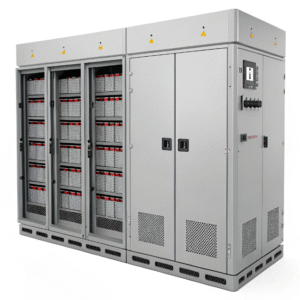
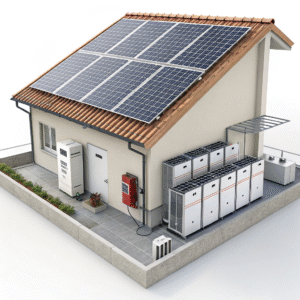
Energy storage systems maximize solar investments by storing excess power, reducing grid dependence, enabling peak shaving, and providing backup power during outages, creating multiple revenue streams and long-term savings.
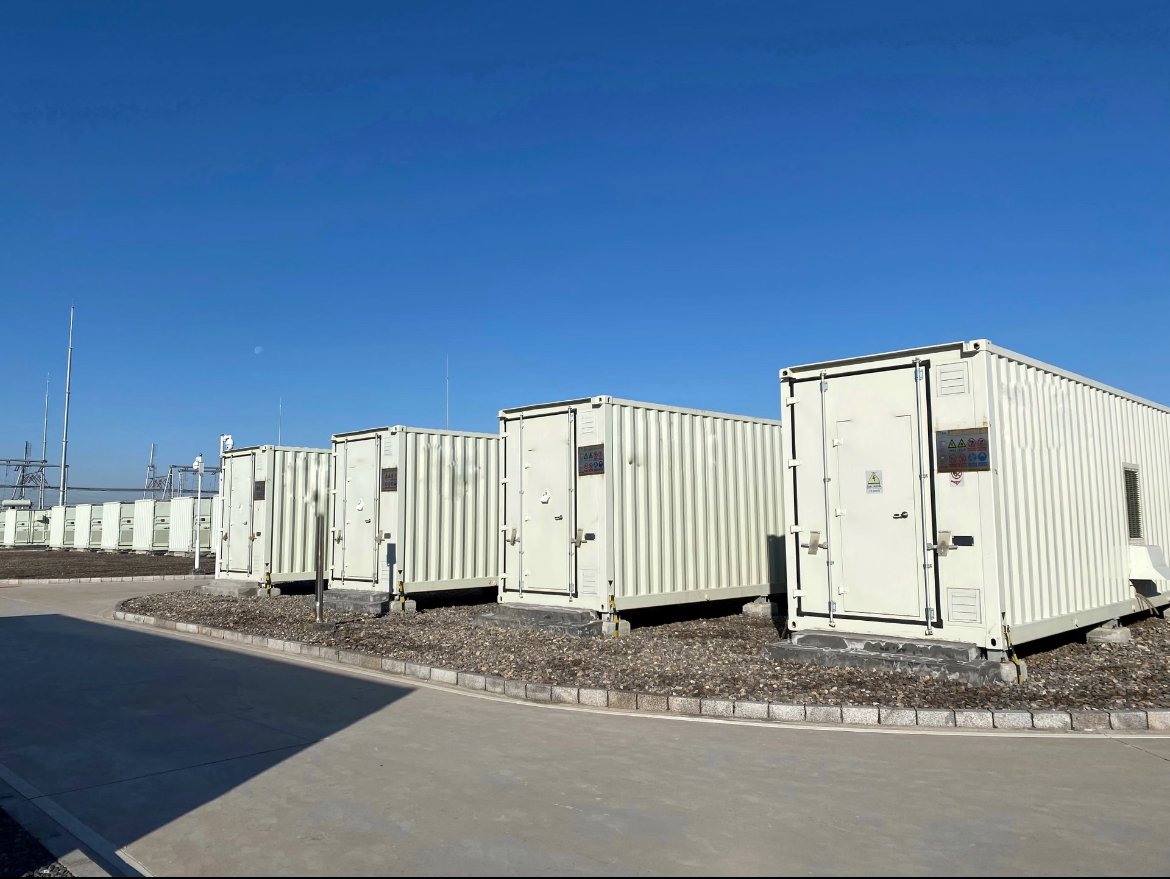
The energy landscape is rapidly evolving, and while solar panels grab headlines, the real game-changer hiding in plain sight might surprise you. Energy storage isn't just about keeping lights on during blackouts—it's your ticket to complete energy independence and financial freedom that extends far beyond what solar alone can achieve.
Power Through Anything: How Does Grid Independence Transform Your Energy Security?
Grid failures leave millions powerless. Smart storage ensures you're never at the mercy of utility outages again.
Grid independence through energy storage provides 24/7 power reliability, eliminates dependency on aging infrastructure, and offers complete control over your energy supply during emergencies and peak demand periods.
True grid independence represents the ultimate evolution of home energy systems. When I first witnessed a neighbor's battery backup2 seamlessly powering their entire home during a three-day blackout, I realized we'd entered a new era of energy security.
Modern battery systems like Tesla Powerwall or Enphase IQ create virtual microgrids3 that automatically disconnect from the main grid during outages. This isn't just convenience—it's protection against the $150 billion in annual economic losses from power outages in the US.
Consider the escalating grid vulnerabilities: extreme weather events increased 67% over the past decade, while our aging infrastructure struggles to cope. Energy storage transforms your property into an energy fortress, immune to these systemic failures.
| Grid Dependence Level | Annual Outage Risk | Financial Impact |
|---|---|---|
| Full Grid Dependence | 8+ hours annually | $500+ in losses |
| Partial Storage Backup | 2-4 hours annually | $150 in losses |
| Complete Independence | 0 hours annually | $0 in losses |
The financial implications extend beyond outage protection. Grid-independent homes command premium resale values, often 4-8% higher than comparable properties, while insurance companies increasingly offer discounts for resilient energy systems.
Beyond Green: How Does Energy Storage Build Your Sustainable Financial Empire?
Sustainability costs money upfront but storage systems flip this equation, making green choices profitable.
Energy storage creates sustainable wealth through time-of-use arbitrage, demand charge reduction, grid services revenue, and carbon credit monetization4 while future-proofing against rising utility rates.
Building sustainable wealth through energy storage feels like discovering a hidden treasure map. The financial opportunities multiply once you understand how these systems generate revenue beyond simple bill reduction.
Time-of-use arbitrage represents the most immediate profit center. By charging batteries during off-peak hours (often $0.08/kWh) and discharging during peak periods ($0.30+/kWh), homeowners can pocket the $0.22/kWh difference. A typical 13.5kWh system cycling daily can generate $500-1,200 annually in arbitrage profits.
Demand charge management offers even greater savings for businesses. Commercial electricity bills include demand charges—fees based on your highest 15-minute power usage each month. Strategic battery discharge during peak demand periods can slash these charges by 50-80%, saving businesses $2,000-10,000 monthly.
The emerging grid services market opens additional revenue streams. Virtual power plants (VPPs) like Sunrun's GridShare pay battery owners $200-400 annually for allowing occasional grid support. Tesla's Autobidder platform enables participation in wholesale energy markets, potentially earning $300-800 yearly per system.
| Revenue Stream | Annual Potential | Payback Impact |
|---|---|---|
| TOU Arbitrage | $500-1,200 | 2-3 years faster |
| Demand Management | $2,000-10,000 | 1-2 years faster |
| Grid Services | $200-800 | 6 months faster |
Carbon credit monetization represents the ultimate sustainability play. While residential systems currently offer limited carbon market access, emerging platforms like WattCarbon are creating pathways for homeowners to monetize their storage systems' grid benefits, potentially adding $100-300 annually.
Your Home's Intelligent Power Hub: How Does Smart Storage Optimize Every Kilowatt?
Dumb solar wastes energy when you're not home. Smart storage captures and deploys every photon for maximum value.
Smart energy storage systems use AI-powered algorithms5 to predict consumption patterns, weather forecasts, and utility rates, automatically optimizing charge/discharge cycles to maximize savings and minimize grid dependence while learning household behaviors.
Transforming your home into an intelligent power hub represents the convergence of artificial intelligence and energy management. Modern storage systems don't just store power—they think, learn, and optimize every energy decision.
Tesla's Powerwall uses machine learning algorithms that analyze your historical usage patterns, local weather forecasts, and utility rate structures to make thousands of optimization decisions daily. The system learns that you typically cook dinner at 6 PM, anticipating higher loads and pre-positioning battery reserves accordingly.
Enphase's IQ Battery takes intelligence further with ensemble management, coordinating multiple batteries and solar inverters as a unified system. When clouds approach (detected via satellite weather data), the system automatically adjusts charging strategies to maximize solar capture before conditions deteriorate.
Advanced load forecasting enables predictive energy management. By analyzing factors like outdoor temperature, day of week, and seasonal patterns, smart systems can predict your energy needs 24-48 hours in advance. This foresight allows optimal participation in utility programs like demand response, where you're paid to reduce consumption during peak periods.
| Smart Feature | Optimization Benefit | Annual Savings |
|---|---|---|
| Load Prediction | 15% efficiency gain | $180-350 |
| Weather Integration | 20% solar optimization | $240-480 |
| Rate Optimization | 25% cost reduction | $300-600 |
Energy arbitrage becomes effortless through automated trading algorithms. The system continuously monitors real-time electricity prices, automatically buying low and selling high without any user intervention. Some systems can even participate in frequency regulation markets, providing grid stability services that generate additional revenue.
Home automation integration creates seamless optimization across all energy-consuming devices. Smart thermostats, water heaters, and EV chargers coordinate with storage systems to shift loads to optimal times, maximizing the value of both solar generation and stored energy.
Conclusion
Energy storage transforms homes and businesses into profitable power centers, delivering financial freedom through grid independence6, sustainable wealth creation, and intelligent optimization.
Explore how energy storage systems can enhance your financial control and independence. ↩
Discover how battery backup systems can provide reliable power during outages. ↩
Learn about virtual microgrids and how they enhance energy resilience. ↩
Discover how homeowners can benefit financially from carbon credit monetization. ↩
Learn how AI can enhance the efficiency of energy storage systems. ↩
Learn about the advantages of grid independence and how it protects against outages. ↩