Beyond the Basics: Your Essential Guide to Understanding Modern Energy Storage Batteries
Ever wondered how energy storage batteries1 power our modern world while becoming more efficient and affordable?
Modern energy storage batteries store electricity for later use, enabling renewable energy integration2, grid stability, and cost savings through advanced technologies like lithium-ion, flow batteries, and solid-state innovations.
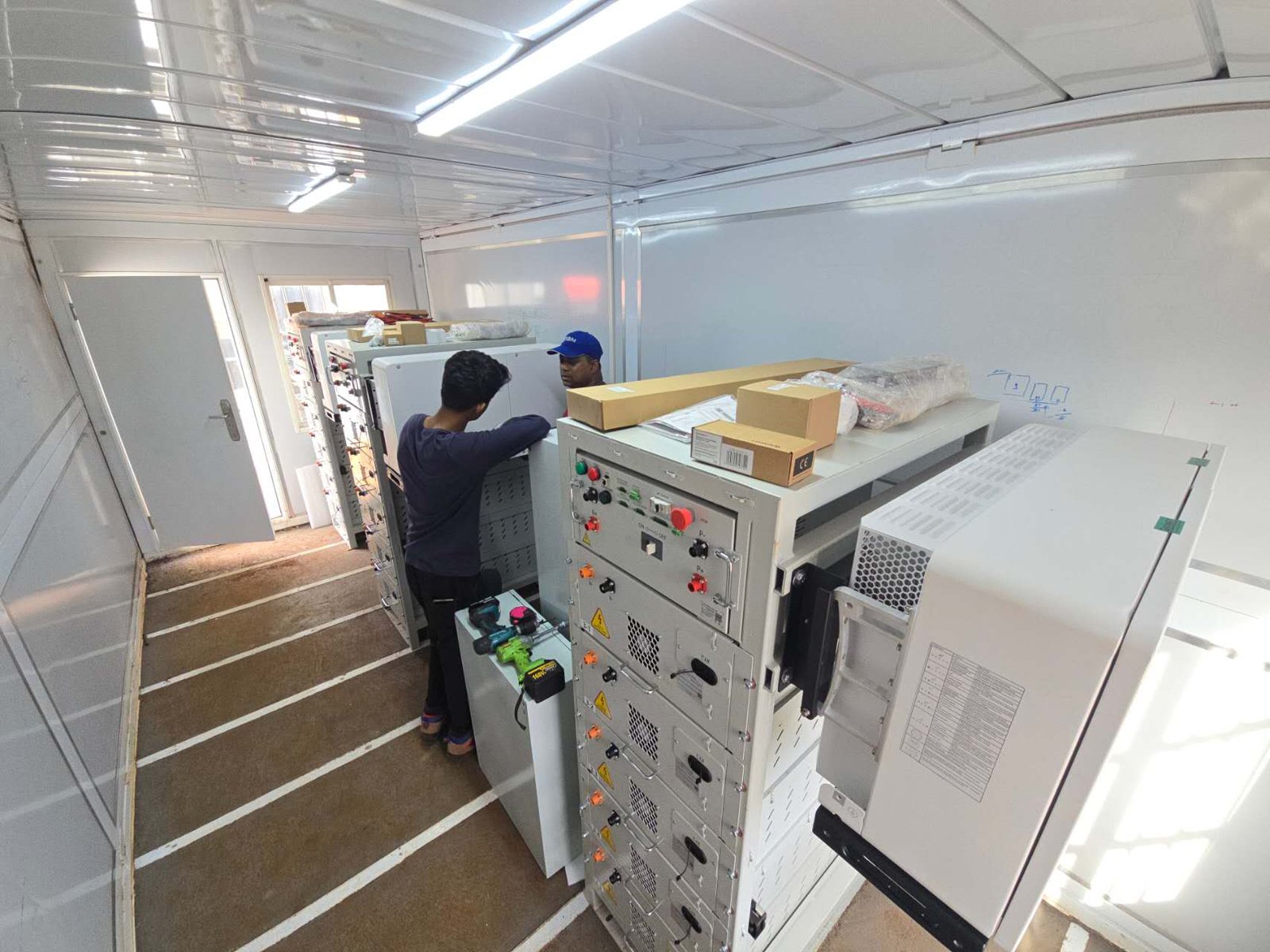
The energy storage revolution is here, transforming how we generate, store, and consume power. From homes to industries, batteries are becoming smarter, more efficient, and crucial for a sustainable future. Let’s explore the technologies shaping this landscape.
Lithium-Ion vs. The Rest: A Deep Dive into Different Battery Storage Technologies
Why settle for one battery technology when multiple options exist for different needs?
Lithium-ion batteries dominate due to high energy density and efficiency, but alternatives like flow batteries3 offer scalability, while solid-state promises enhanced safety and longevity for diverse applications.
Comparing Key Battery Technologies
Each technology has unique strengths tailored to specific use cases:
| Technology | Pros | Cons | Best For |
|---|---|---|---|
| Lithium-Ion | High energy density, fast charging | Degrades over time, fire risk | EVs, consumer electronics |
| Flow Batteries | Scalable, long cycle life4 | Low energy density, bulky | Grid storage, renewables |
| Solid-State | Safer, longer lifespan | High cost, early-stage R&D | Future EVs, aerospace |
Why Lithium-Ion Leads (For Now)
Lithium-ion’s dominance stems from its balance of energy density5 (300 Wh/kg) and efficiency (~95%). However, its reliance on cobalt raises ethical and supply-chain concerns. Innovations like lithium iron phosphate (LFP) are reducing costs and risks.
Emerging Challengers
- Flow Batteries: Ideal for grid storage, they use liquid electrolytes (e.g., vanadium) for unlimited cycles but require large spaces.
- Solid-State: Replaces liquid electrolytes with solids, eliminating flammability. Toyota and QuantumScape aim for commercialization by 2025–2030.
Lithium-ion batteries are the most energy-dense option.
✅ True: They offer 2–3x the density of lead-acid or flow batteries.
Flow batteries are ideal for portable devices.
❌ False: Their bulkiness suits stationary applications like grid storage.
Choosing Your Power Partner: Key Factors to Consider When Selecting an Energy Storage Battery
How do you pick the right battery when performance, cost, and longevity all matter?
Select batteries based on energy needs, lifespan (cycle count), safety, and total cost of ownership. Lithium-ion excels for mobility, while flow batteries suit large-scale storage.
Decision-Making Framework
1. Capacity & Power Needs
- Energy Capacity (kWh): Determines how long the battery can supply power.
- Power Rating (kW): Defines how much electricity it can deliver at once.
Example: A home solar system might need 10 kWh capacity but only 5 kW peak power.
2. Lifespan & Degradation
- Cycle Life: Lithium-ion lasts 2,000–5,000 cycles; flow batteries exceed 10,000.
- Depth of Discharge (DoD): Lead-acid degrades faster if drained below 50% DoD.
3. Safety & Maintenance
- Thermal Runaway Risk: Lithium-ion requires cooling systems; solid-state avoids this.
- Maintenance: Flow batteries need electrolyte replenishment; lithium-ion is sealed.
4. Cost Analysis
| Type | Upfront Cost ($/kWh) | Lifetime Cost ($/kWh) |
|---|---|---|
| Lithium-Ion | 300–500 | 0.10–0.20 |
| Lead-Acid | 150–300 | 0.30–0.50 |
| Flow (Vanadium) | 500–800 | 0.05–0.10 |
Flow batteries have lower lifetime costs than lithium-ion.
✅ True: Their longevity offsets higher upfront prices.
All batteries degrade at the same rate.
❌ False: Cycle life varies widely (e.g., lead-acid vs. lithium-ion).
The Road Ahead: Innovations and Future Outlook for Energy Storage Battery Technology
What breakthroughs will redefine energy storage in the next decade?
Future batteries will leverage solid-state designs, sodium-ion chemistry, and AI-driven management6 to achieve higher safety, sustainability, and affordability, accelerating the renewable energy transition.
Cutting-Edge Innovations
1. Solid-State Batteries
- Benefits: 2x energy density of lithium-ion, no flammable liquids.
- Challenges: Manufacturing scalability (e.g., sulfide vs. oxide electrolytes).
- Players: Toyota, QuantumScape, Solid Power.
2. Sodium-Ion Batteries
- Pros: Cheap, abundant materials (no lithium/cobalt).
- Cons: Lower energy density (~160 Wh/kg).
- Use Case: Stationary storage for solar farms.
3. AI & Smart Batteries
- Predictive maintenance using machine learning.
- Dynamic charging algorithms to extend lifespan.
Policy & Market Trends
- 2027 Forecast: Global market to hit $546 billion (CAGR of 14.3%).
- Regulations: EU’s battery passport mandates recycling transparency.
Sodium-ion batteries can fully replace lithium-ion soon.
❌ False: They’re complementary due to lower energy density.
AI can extend battery lifespan by 20–30%.
✅ True: Optimized charging reduces degradation.
Conclusion
From lithium-ion’s dominance to solid-state’s promise, energy storage batteries are evolving rapidly, offering tailored solutions for sustainability, cost, and performance needs.
Explore how energy storage batteries function and their role in modern energy systems. ↩
Explore the role of batteries in facilitating the integration of renewable energy sources. ↩
Discover the unique features of flow batteries and their suitability for grid storage. ↩
Learn about cycle life and its impact on battery performance and longevity. ↩
Understand the concept of energy density and its importance in battery technology. ↩
Learn how AI technology enhances battery performance and lifespan through smart management. ↩