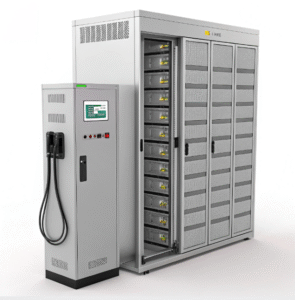
Beyond the Basics: Your Essential Guide to Understanding Modern Energy Storage Batteries?
Problem: Energy storage confusion overwhelms consumers. Agitation: Wrong choices cost money and performance. Solution: Master battery technologies1 for smart decisions.
Modern energy storage batteries include lithium-ion, lead-acid, and flow batteries. Each offers unique advantages: lithium-ion for efficiency, lead-acid for affordability, and flow batteries2 for large-scale applications.
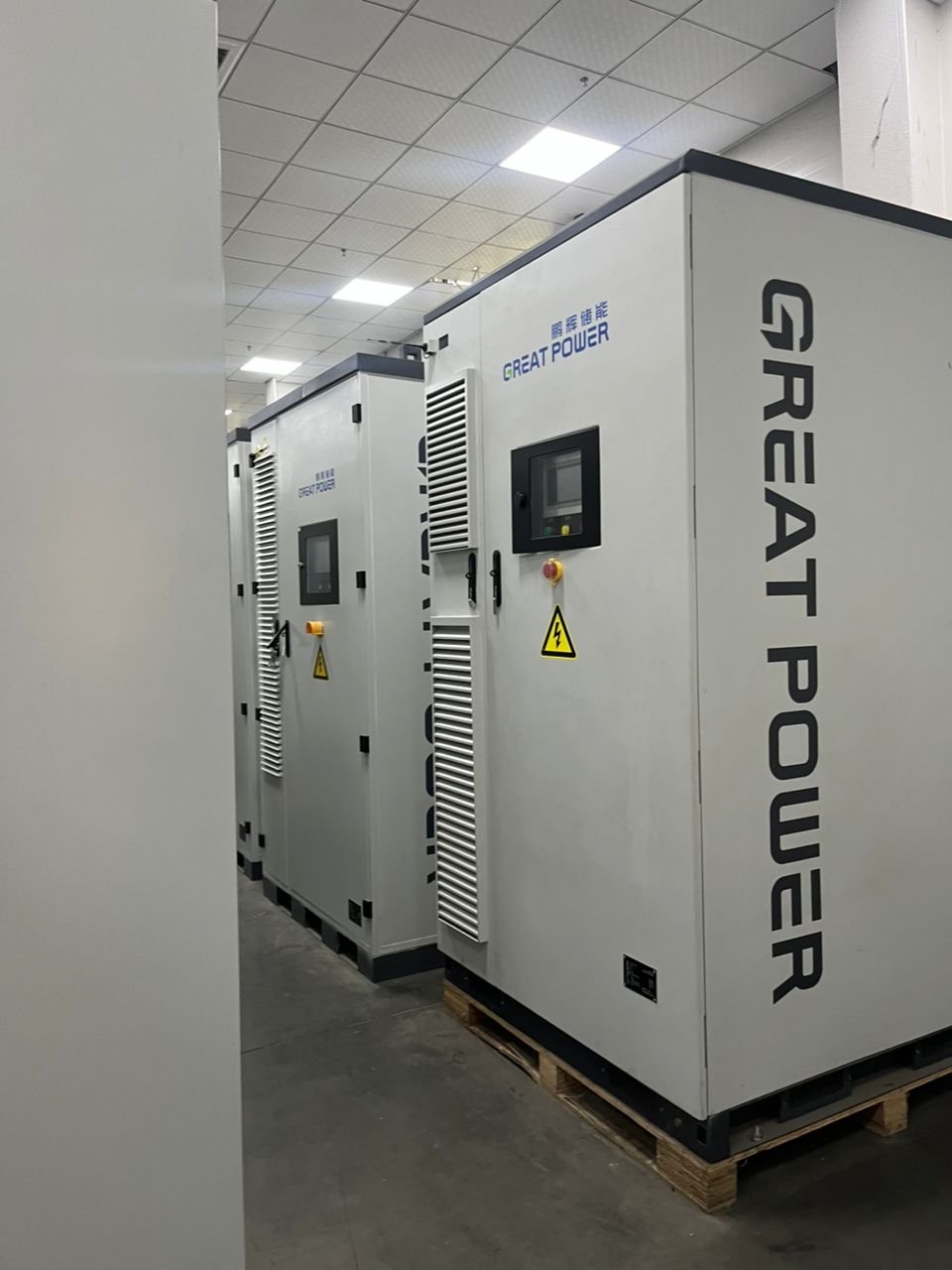
The energy storage3 landscape has transformed dramatically, and choosing the right battery technology isn't just about capacity anymore—it's about finding the perfect match for your specific needs, budget, and future plans.
Lithium-Ion vs. The Rest: A Deep Dive into Different Battery Storage Technologies?
Problem: Multiple battery types create confusion. Agitation: Wrong technology wastes investment. Solution: Compare technologies systematically for informed choices.
Lithium-ion batteries dominate with 95% efficiency and 10+ year lifespans, while lead-acid offers lower upfront costs. Flow batteries excel in utility-scale applications with unlimited cycling capability.
Understanding the Core Technologies
When I first started exploring energy storage, the variety of technologies felt overwhelming—like walking into a hardware store without knowing what tool you need. But breaking down the core differences makes everything clearer.
Lithium-ion batteries have revolutionized the market with their exceptional energy density4 and efficiency. Think of them as the smartphones of battery technology—compact, powerful, and intelligent. They typically achieve 95% round-trip efficiency, meaning minimal energy loss during charge and discharge cycles.
Lead-acid batteries, on the other hand, are the reliable workhorses. They've been around for over 150 years and still serve specific applications well. While their efficiency hovers around 80-85%, their lower upfront costs make them attractive for budget-conscious installations.
| Technology | Efficiency | Lifespan | Cost ($/kWh) | Best Application |
|---|---|---|---|---|
| Lithium-ion | 95%+ | 10-15 years | $200-400 | Residential/Commercial |
| Lead-acid | 80-85% | 3-7 years | $100-200 | Backup power |
| Flow batteries | 65-75% | 20+ years | $300-600 | Grid-scale storage |
Flow batteries represent the future of utility-scale storage. While less efficient, they offer virtually unlimited cycling without degradation—imagine a battery that gets stronger with use rather than weaker.
Choosing Your Power Partner: Key Factors to Consider When Selecting an Energy Storage Battery?
Problem: Multiple variables complicate battery selection. Agitation: Poor choices lead to expensive mistakes. Solution: Systematic evaluation ensures optimal battery matching.
Select batteries based on capacity needs, budget constraints, installation space, intended applications, and long-term performance requirements. Match technology to specific use cases for maximum value.
Critical Selection Parameters
Choosing the right energy storage battery reminds me of buying a car—you need to consider not just the sticker price, but total cost of ownership, intended use, and future needs.
Capacity and Power Requirements form the foundation of your decision. I've learned that it's crucial to distinguish between energy capacity (how much power you can store) and power output (how quickly you can access that energy). A battery might store enough energy for your needs but lack the power output for high-demand appliances.
Budget considerations extend beyond initial purchase price. While lithium-ion5 batteries cost more upfront, their longer lifespan and higher efficiency often make them more economical over time. It's like choosing between a fuel-efficient hybrid and a gas guzzler—the initial investment pays off in the long run.
Space constraints significantly impact technology choice. Lithium-ion batteries offer the highest energy density, making them ideal for tight spaces. Lead-acid batteries require more room and proper ventilation, while flow batteries need substantial space for their electrolyte tanks.
| Factor | Lithium-ion | Lead-acid | Flow Battery |
|---|---|---|---|
| Space efficiency | Excellent | Poor | Very Poor |
| Depth of discharge | 90-95% | 50% | 100% |
| Maintenance | Minimal | Regular | Moderate |
| Temperature sensitivity | Moderate | High | Low |
Application-specific needs determine the best technology fit. For backup power systems that rarely cycle, lead-acid6 might suffice. For daily solar storage, lithium-ion excels. For grid-scale applications requiring frequent cycling, flow batteries shine.
The Road Ahead: Innovations and Future Outlook for Energy Storage Battery Technology?
Problem: Rapid technology evolution creates uncertainty. Agitation: Today's investments might become obsolete. Solution: Understand emerging trends for future-proof decisions.
Next-generation batteries include solid-state lithium, sodium-ion, and advanced flow technologies. Expect improved safety, lower costs, and enhanced performance within the next decade.
Emerging Technologies and Market Trends
The battery industry moves faster than a Tesla in ludicrous mode, and staying ahead of trends isn't just interesting—it's essential for making smart long-term investments.
Solid-state batteries represent the holy grail of energy storage. By replacing liquid electrolytes with solid materials, they promise higher energy density, improved safety, and longer lifespans. Toyota and other manufacturers are racing to commercialize this technology, with production expected by 2027.
Sodium-ion batteries offer a compelling alternative to lithium-ion, especially as lithium prices fluctuate. While they have lower energy density, sodium is abundant and inexpensive. CATL and other manufacturers are already producing sodium-ion batteries for stationary storage applications.
Advanced flow battery chemistries are addressing efficiency concerns while maintaining their cycling advantages. Vanadium flow batteries continue improving, while new chemistries like iron-air promise ultra-long duration storage at unprecedented low costs.
The convergence of artificial intelligence and battery management is creating smarter systems that optimize performance in real-time. These systems learn usage patterns, predict maintenance needs, and maximize battery lifespan through intelligent charge/discharge management.
| Innovation | Timeline | Key Advantage | Target Market |
|---|---|---|---|
| Solid-state | 2027-2030 | Safety + density | Electric vehicles |
| Sodium-ion | 2024-2026 | Low cost | Grid storage |
| Iron-air | 2025-2028 | Ultra-long duration | Utilities |
| AI optimization | Current | Extended lifespan | All applications |
Manufacturing scale continues driving costs down across all technologies. The learning curve effect means each doubling of production volume reduces costs by 15-25%, making advanced batteries increasingly accessible for residential and commercial applications.
Conclusion
Modern energy storage success requires matching battery technology to specific needs, considering long-term costs, and staying informed about emerging innovations.
Stay updated on the latest innovations in battery technologies to make future-proof investments. ↩
Discover the unique advantages of flow batteries for large-scale applications and their cycling capabilities. ↩
Understand the significance of energy storage in modern energy systems and its impact on efficiency. ↩
Understand the concept of energy density and its importance in battery technology. ↩
Explore the benefits of lithium-ion batteries, including efficiency and lifespan, to make informed energy storage decisions. ↩
Learn about lead-acid batteries' affordability and reliability, helping you choose the right battery for your needs. ↩