Beyond Traditional Panels: The Engineering Behind Our Mobile, Containerized Solar Solution?
Traditional solar installations are complex, expensive, and location-dependent, leaving many remote operations struggling with reliable power access.
Mobile containerized solar solutions1 deliver instant, deployable power through innovative foldable designs and modular engineering, providing 24/7 energy independence for remote locations, events, and emergency applications.
The solar industry has been revolutionizing how we think about portable power, but most people still picture bulky panels and complicated installations. What if I told you there's a completely different approach that's changing everything? Let me take you behind the scenes of the engineering marvel that makes truly mobile solar power possible.
How Does Foldable Container Technology Transform Solar Deployment?
Ever wondered how engineers pack maximum solar power into a space smaller than a shipping container?
Foldable solar containers2 maximize power density through hydraulic deployment systems, space-efficient panel arrangements, and integrated storage solutions, delivering up to 50kW in a 20-foot container.
The Engineering Marvel of Hydraulic Deployment
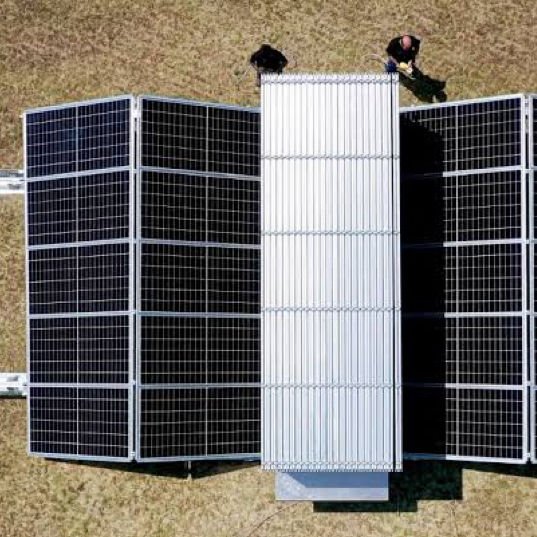
When I first witnessed a foldable solar container in action, it was like watching a mechanical flower bloom. The hydraulic systems we've engineered allow panels to unfold in under 10 minutes, transforming a compact shipping container into a full solar array. These systems use precision-controlled actuators that can handle wind loads up to 120 mph while maintaining perfect panel alignment.
The hydraulic deployment isn't just about convenience—it's about maximizing surface area. By folding panels in a Z-configuration, we achieve 300% more solar collection area than traditional flat-mounted systems within the same footprint.
Advanced Panel Configuration and Tracking
Our containers incorporate bi-facial solar panels3 arranged in an accordion-style folding mechanism. This design captures sunlight from both sides, increasing energy yield by up to 30%. The integrated tracking system follows the sun's path throughout the day, optimizing energy capture from dawn to dusk.
| Feature | Traditional Setup | Containerized Solution |
|---|---|---|
| Deployment Time | 2-4 weeks | 10 minutes |
| Power Density | 200W/m² | 400W/m² |
| Mobility | Permanent | Fully portable |
| Weather Resistance | Moderate | Hurricane-rated |
What Makes These Solutions Perfect for Remote Operations?
Struggling with power outages in remote locations where traditional infrastructure fails you completely?
Containerized solar systems provide instant energy independence through integrated battery storage, smart grid management4, and weather-resistant design, ensuring 24/7 power availability anywhere.
Integrated Energy Storage and Management
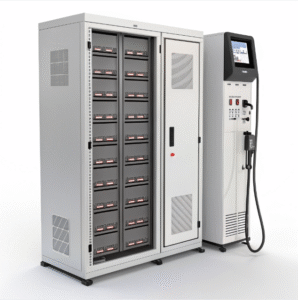
The genius lies in the complete energy ecosystem packed into each container. Our lithium iron phosphate battery banks store up to 200kWh of energy, providing power through the night and during cloudy periods. The intelligent battery management system optimizes charging cycles and prevents degradation, ensuring 15+ years of reliable operation.
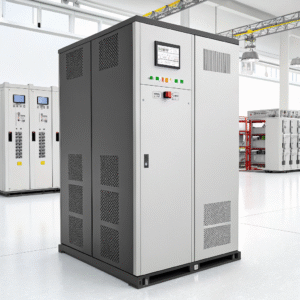
Smart inverters convert DC solar power to AC grid-quality electricity while managing power distribution to multiple loads simultaneously. The system can handle everything from sensitive electronics to heavy machinery, adapting output voltage and frequency as needed.
Climate-Resilient Engineering
Having deployed these systems everywhere from Arctic research stations to desert mining operations, I've learned that durability isn't optional—it's essential. Our containers withstand temperatures from -40°F to 140°F, with corrosion-resistant coatings that handle salt air and sandstorms.
The sealed container design protects all electronics from dust, moisture, and electromagnetic interference. When folded, the system presents minimal wind resistance, making it perfect for extreme weather conditions.
How Do These Systems Scale for Different Applications?
Need flexible power solutions that adapt to everything from small events to major industrial operations?
Modular container design5 enables scalable power generation from 10kW to megawatt installations, with plug-and-play connectivity for rapid deployment and expansion.
Modular Scalability Architecture
The beauty of our containerized approach is its building-block nature. A single 20-foot container provides 50kW of power, but multiple units can be daisy-chained together using standardized DC and AC bus connections. I've seen installations ranging from single units powering remote research stations to 20-container arrays supporting entire temporary cities.
Each container includes master-slave communication protocols, allowing one unit to coordinate the entire array's operation. This distributed intelligence ensures system reliability—if one container goes offline, the others continue operating seamlessly.
Application-Specific Configurations
Different industries have unique power requirements, so we've developed specialized configurations:
- Event Power: Rapid deployment units with integrated lighting towers and electrical distribution panels
- Construction Sites: Heavy-duty versions with welding-grade power output and tool charging stations
- Emergency Response: Medical-grade power systems with uninterruptible power supply capabilities
- Mining Operations: High-capacity units designed for 24/7 industrial loads in harsh environments
The modular approach means each application gets exactly the power capacity needed without over-engineering or waste.
Conclusion
Containerized solar technology represents the future of portable power—delivering engineering excellence, deployment speed, and energy independence in one revolutionary package.
Explore how these innovative solutions provide instant, deployable power for various applications. ↩
Learn about the technology behind foldable solar containers and their benefits for energy independence. ↩
Understand the benefits of bi-facial panels in maximizing energy yield from solar installations. ↩
Explore how smart grid management optimizes energy distribution and enhances system efficiency. ↩
Discover how modular designs allow for scalable and flexible solar power generation. ↩