Blueprint for the Sun: How AI is Designing the Next Generation of Solar Power Plants?
Problem: Solar energy deployment faces complex design and operational challenges. Agitation: Poor planning leads to inefficient systems and costly failures. Solution: AI revolutionizes solar plant design and management.
AI optimizes solar power plant design through predictive modeling, automated system configuration, and real-time performance analysis1, creating more efficient and cost-effective renewable energy installations.
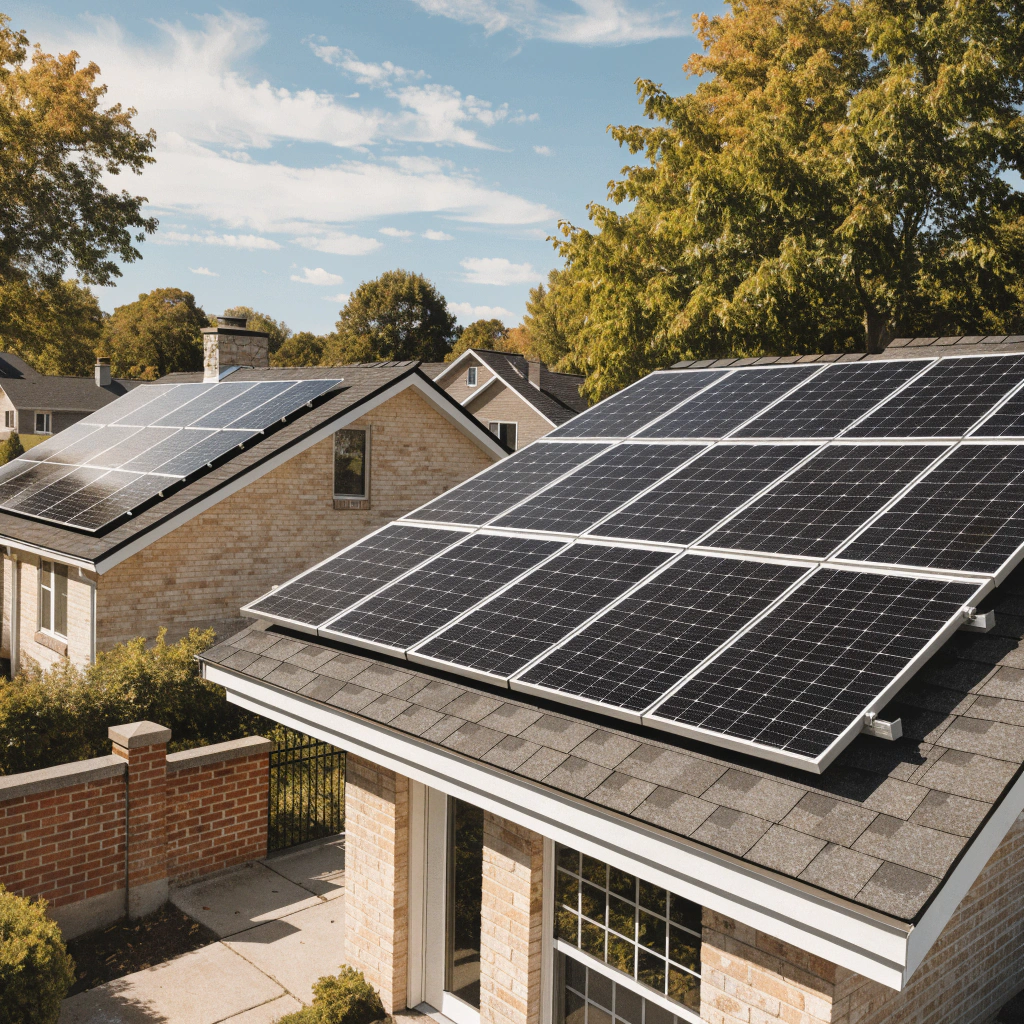
The solar industry stands at a pivotal moment where traditional engineering approaches meet cutting-edge artificial intelligence. As someone who's witnessed the evolution of renewable energy technology firsthand, I'm amazed by how AI is transforming every aspect of solar power development—from initial site assessment to long-term operational optimization.
The Doctor is In: AI Diagnosing Solar Panel Issues Before They Become Problems?
Solar panel failures cost billions annually. Traditional maintenance is reactive and expensive. AI enables predictive diagnostics2 for proactive maintenance.
AI diagnoses solar panel issues through thermal imaging analysis, electrical pattern recognition3, and performance data correlation, preventing failures before they impact energy production.
Advanced Diagnostic Capabilities
The diagnostic power of AI in solar applications reminds me of having a brilliant doctor who can spot illness before symptoms appear. Machine learning algorithms analyze multiple data streams—thermal signatures, electrical output patterns, and environmental conditions—to identify potential issues weeks or months before traditional methods would catch them.
Modern AI systems process thousands of data points per second from each solar panel. They detect micro-cracks invisible to the human eye, identify hot spots that could lead to fires, and predict when inverters might fail. This capability transforms maintenance from a costly emergency response into a strategic, scheduled operation.
| Diagnostic Method | Detection Capability | Prevention Timeline |
|---|---|---|
| Thermal AI Analysis | Hot spots, micro-cracks | 2-6 months advance |
| Performance Pattern Recognition | Electrical degradation | 1-3 months advance |
| Environmental Correlation | Weather-related stress | Real-time to 30 days |
The integration of drone-mounted sensors with AI analysis has revolutionized large-scale solar farm inspections. What once took weeks of manual inspection now happens in hours, with AI identifying issues that human inspectors might miss entirely.
From Supply to Demand: AI Orchestrating Solar Energy Flow for Seamless Grid Operation?
Grid integration challenges plague solar energy adoption. Intermittent generation creates instability concerns. AI orchestrates seamless energy flow management4.
AI manages solar energy flow by predicting generation patterns, optimizing grid integration, and coordinating storage systems for stable, efficient power distribution.
Intelligent Grid Orchestration
Managing solar energy flow feels like conducting a symphony where every instrument represents a different energy source or demand point. AI serves as the master conductor, harmonizing generation, storage, and consumption in real-time.
The sophistication of modern grid management AI astounds me. These systems predict solar generation with remarkable accuracy by analyzing weather patterns, seasonal variations, and historical performance data. They simultaneously forecast demand patterns and coordinate with storage systems to ensure grid stability.
Smart inverters equipped with AI algorithms can adjust power output millisecond by millisecond, responding to grid frequency variations and voltage fluctuations. This dynamic response capability allows solar installations to provide grid services that were once exclusive to traditional power plants.
| AI Function | Grid Benefit | Response Time |
|---|---|---|
| Generation Forecasting | Improved planning | 1-7 days ahead |
| Demand Prediction | Optimized dispatch | 15 minutes to 24 hours |
| Real-time Balancing | Grid stability | Milliseconds |
The coordination between distributed solar systems creates a virtual power plant effect, where thousands of individual installations work together as a cohesive energy resource.
The AI Advantage: Unlocking New Levels of Performance and Profitability in Solar Energy?
Solar project economics remain challenging despite falling technology costs. Performance optimization is crucial for profitability. AI unlocks hidden value in solar investments.
AI enhances solar profitability through optimal system design, predictive maintenance scheduling, and dynamic performance optimization, maximizing energy output and investment returns.
Performance Optimization Strategies
The financial impact of AI optimization in solar projects reminds me of fine-tuning a race car—every small improvement compounds into significant performance gains. AI analyzes vast datasets to identify optimal panel positioning, inverter configurations, and maintenance schedules that maximize energy production.
Machine learning algorithms continuously learn from operational data, adjusting system parameters to account for aging components, changing environmental conditions, and seasonal variations. This adaptive approach ensures peak performance throughout the system's 25-30 year lifespan.
The economic benefits extend beyond pure energy production. AI-driven maintenance scheduling reduces operational costs by 15-25%, while performance optimization can increase energy yield by 8-12%. These improvements directly translate to enhanced project IRR and faster payback periods.
| Optimization Area | Typical Improvement | Financial Impact |
|---|---|---|
| Energy Yield | 8-12% increase | Higher revenue |
| Maintenance Costs | 15-25% reduction | Lower OpEx |
| System Availability | 99%+ uptime | Minimized losses |
Advanced AI systems also optimize energy trading strategies5, automatically selling excess power when prices peak and storing energy when rates are low. This dynamic approach to energy management creates additional revenue streams that traditional solar installations cannot access.
Conclusion
AI transforms solar power through intelligent design, predictive maintenance, seamless grid integration, and performance optimization, creating more efficient and profitable renewable energy systems.
Learn about real-time performance analysis and its role in maximizing solar energy production. ↩
Understanding predictive diagnostics can help you appreciate the proactive maintenance approach in solar energy. ↩
Understanding electrical pattern recognition can help you grasp AI's role in solar panel maintenance. ↩
Understanding energy flow management can provide insights into efficient solar energy distribution. ↩
Discover how AI-driven energy trading strategies can create additional revenue streams for solar installations. ↩