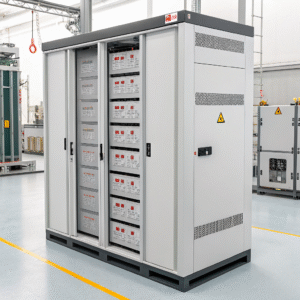
BMS: Driving the Intelligent Evolution of Energy Storage Products
Ever wondered how battery management systems are revolutionizing energy storage? The answer lies in their intelligent evolution.
Battery Management Systems (BMS)1 are transforming energy storage through AI integration, IoT connectivity, and advanced thermal management, enabling smarter, safer, and more efficient battery operations across industries.
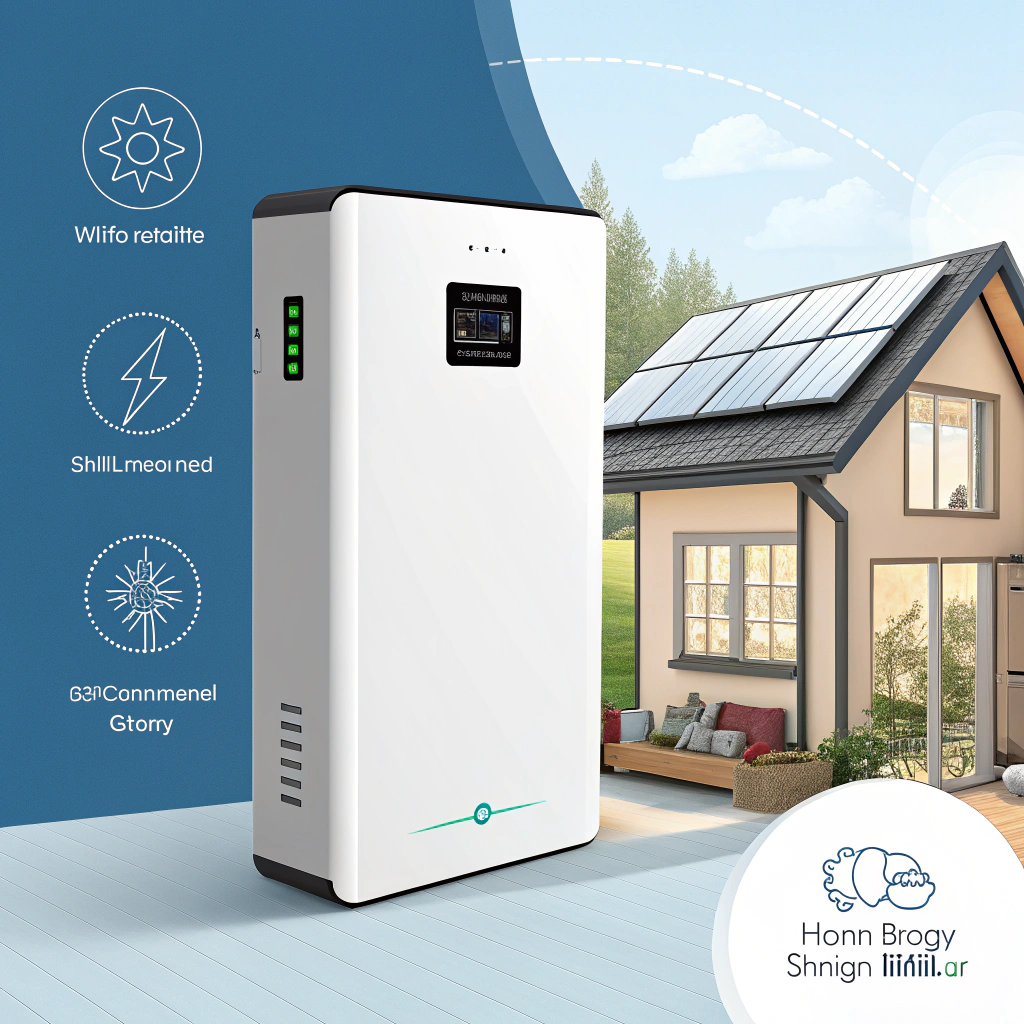
The energy storage landscape is undergoing a radical transformation, and at the heart of this change lies the Battery Management System. Let's explore how modern BMS solutions are pushing the boundaries of what's possible in energy storage technology.
Combining BMS with AI Technology: Achieving More Efficient Battery Data Analysis and Prediction?
What if your battery system could predict failures before they happen? AI-powered BMS makes this a reality.
AI-enhanced BMS2 utilizes machine learning algorithms to analyze battery performance data in real-time, enabling predictive maintenance, optimized charging cycles, and extended battery lifespan through intelligent pattern recognition.
The Power of AI in Battery Management
Modern BMS solutions leverage AI to transform raw battery data into actionable insights:
-
- Forecasts potential cell failures
- Identifies degradation patterns
- Recommends preventive measures
-
- Dynamically adjusts charge rates
- Optimizes for battery health
- Considers usage patterns
-
Performance Optimization
- Balances load distribution
- Maximizes energy efficiency
- Reduces operational costs
| AI Feature | Benefit | Impact |
|---|---|---|
| Anomaly Detection | Early fault identification | 30-50% fewer failures |
| Capacity Forecasting | Accurate remaining life prediction | 20% longer battery life |
| Load Optimization | Efficient energy distribution | 15% higher efficiency |
The integration of AI transforms BMS from passive monitoring systems to active, intelligent management platforms that continuously learn and adapt to usage patterns.
BMS and IoT Working Together: How Does Remote Monitoring and Smart Management Work?
Imagine controlling your entire energy storage system from anywhere in the world. IoT makes this possible.
IoT-connected BMS[^5] enables real-time remote monitoring, cloud-based analytics, and centralized control of distributed energy storage systems through secure wireless connectivity and cloud platforms.
The IoT Revolution in Battery Management
The convergence of BMS and IoT technologies creates a powerful ecosystem:
Key Components:
- Cloud-based dashboards
- Wireless sensor networks
- API integrations
- Mobile alerts
Implementation Benefits:
-
- Instant fault notifications
- Over-the-air updates
- Reduced maintenance costs
-
Fleet Management
- Unified monitoring
- Performance benchmarking
- Predictive maintenance
-
- Smart grid integration
- Demand response
- Peak shaving
This connectivity transforms how we interact with energy storage systems, enabling smarter energy management at scale.
Thermal Management in BMS[^8]: How It Ensures Stable Operation of Energy Storage Batteries in Extreme Environments?
Batteries failing in extreme temperatures? Advanced thermal management has the solution.
Modern BMS incorporates sophisticated thermal regulation systems using liquid cooling, phase change materials, and adaptive algorithms to maintain optimal battery temperatures across all operating conditions.
Advanced Thermal Regulation Techniques
Effective thermal management is critical for battery safety and performance:
Cooling Methods:
- Liquid cooling systems
- Air convection channels
- Phase change materials
Heating Solutions:
- Resistive heating elements
- Self-heating battery designs
- Pre-conditioning algorithms
Key Considerations:
- Temperature uniformity across cells
- Energy efficiency of thermal systems
- Response time to temperature changes
- Integration with BMS controls
| Temperature Range | Management Strategy | Benefit |
|---|---|---|
| Below 0°C | Pre-heating protocol | Prevents lithium plating |
| 20-40°C | Passive cooling | Optimal operation |
| Above 45°C | Active cooling | Prevents thermal runaway |
Proper thermal management extends battery life by up to 30% while ensuring safe operation in challenging environments.
Conclusion
BMS technology is revolutionizing energy storage through AI intelligence, IoT connectivity, and advanced thermal management, creating safer, smarter, and more efficient battery systems.
Explore how BMS enhances energy storage efficiency and safety, making it crucial for modern applications. ↩
Discover the transformative impact of AI on battery management and its role in predictive maintenance. ↩
Understand how predictive analytics can forecast battery failures and optimize performance. ↩