Brand Story Boost: Differentiate Your Hydroponic Produce with a 100% Solar-Powered Narrative?
Struggling to stand out in the crowded hydroponic market while managing rising energy costs? Your solution lies in renewable power storytelling.
A 100% solar-powered narrative1 differentiates hydroponic produce by showcasing sustainability credentials, reducing operational costs, and appealing to eco-conscious consumers2 who prioritize environmentally responsible food production methods.
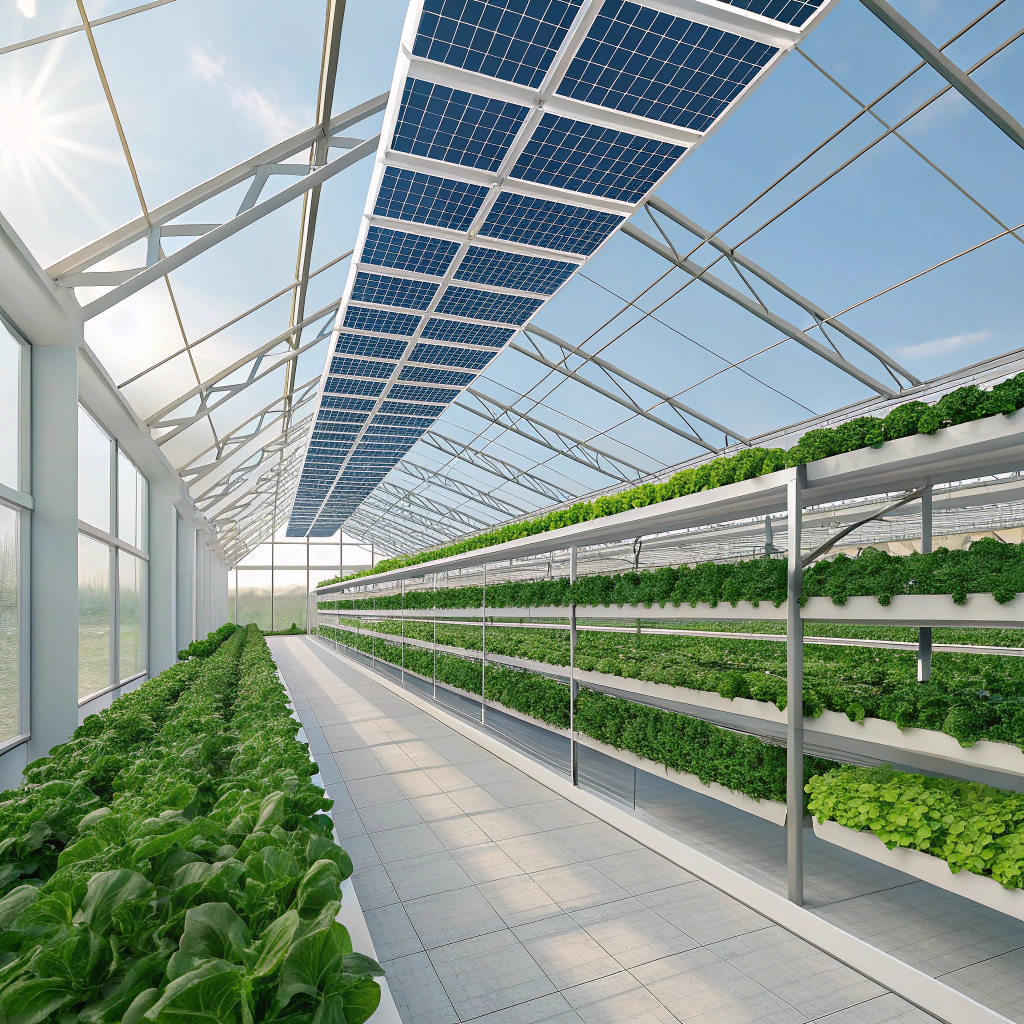
Picture this: two identical tomatoes sit side by side on a grocery shelf. One carries a simple "hydroponic" label, while the other boldly declares "100% Solar-Powered Growth." Which one captures your imagination? Which tells a story that resonates with today's environmentally conscious consumers? The power of narrative in agriculture isn't just about marketing—it's about connecting your produce with values that matter. Let's explore how solar energy transforms not just your growing operation, but your entire brand story.
Small Farm, Big Savings: How Micro-Solar Solutions Empower Your Hydroponic Greenhouse?
Small-scale operations often struggle with energy costs eating into already thin profit margins in competitive markets.
Micro-solar solutions reduce hydroponic greenhouse energy costs by 60-80%, enabling small farms to achieve energy independence3 while creating compelling sustainability stories that justify premium pricing strategies.
The beauty of micro-solar solutions4 lies in their scalability and immediate impact on your bottom line. Unlike massive solar installations that require significant upfront investment, micro-solar systems can be implemented gradually, matching your farm's growth trajectory. I've seen greenhouse operations start with just enough panels to power their LED grow lights, then expand to cover pumps, fans, and monitoring systems.
Cost-Benefit Analysis of Micro-Solar Implementation
| System Component | Traditional Cost/Month | Solar-Powered Cost | Monthly Savings |
|---|---|---|---|
| LED Grow Lights | $450 | $90 | $360 |
| Water Pumps | $180 | $36 | $144 |
| Climate Control | $320 | $64 | $256 |
| Total | $950 | $190 | $760 |
The marketing advantage is equally compelling. When customers see "solar-powered" on your labels, they're not just buying vegetables—they're investing in a sustainable future. This emotional connection allows small farms to command premium prices, often 20-30% above conventional hydroponic produce.
Remote Grow, Reliable Power: Solar's Role in Decentralized Hydroponic Food Production?
Remote locations face unreliable grid connections, making consistent hydroponic operations challenging and expensive to maintain.
Solar power enables reliable hydroponic food production in remote locations by providing consistent energy supply, reducing dependency on grid infrastructure, and supporting distributed agriculture models.
Remote hydroponic operations represent the frontier of sustainable agriculture, where solar power isn't just an option—it's often the only viable solution. I've witnessed operations in rural areas where grid connections were either non-existent or so unreliable that traditional farming methods seemed impossible.
Key Advantages of Solar-Powered Remote Operations
The story potential here is incredible. Imagine marketing "Desert-Grown, Solar-Powered Lettuce" or "Mountain-Fresh, Off-Grid Herbs." These narratives tap into consumers' desires for authenticity and environmental stewardship. Remote solar-powered farms can position themselves as pioneers, showcasing how technology enables food production in previously impossible locations.
Battery storage systems become crucial in these setups, ensuring 24/7 operation even during cloudy periods. Modern lithium-ion batteries paired with smart energy management systems can maintain hydroponic operations for 3-5 days without direct sunlight, providing the reliability that remote operations demand.
The decentralized model also supports local food security, reducing transportation costs and carbon footprints—additional story elements that resonate with environmentally conscious consumers willing to pay premium prices for responsibly produced food.
From Grid-Tied to Net-Zero: Maximizing Rebates & Feed-in Tariffs for Your Solar Hydroponic System?
Energy costs continue rising while government incentives for renewable energy adoption create unprecedented financial opportunities.
Grid-tied solar hydroponic systems can achieve net-zero energy costs5 through strategic use of rebates, feed-in tariffs, and net metering, while creating powerful sustainability narratives for premium market positioning.
The financial mechanics of grid-tied solar systems transform your hydroponic operation from an energy consumer into a potential energy producer. During peak solar production hours, excess energy flows back to the grid, earning credits that offset nighttime consumption.
Financial Incentive Breakdown
| Incentive Type | Typical Value | Application Timeline | Story Benefit |
|---|---|---|---|
| Federal Tax Credit | 30% of system cost | First tax year | "Government-supported sustainability" |
| State Rebates | $0.50-2.00/watt | Installation year | "State-certified green operation" |
| Feed-in Tariffs | $0.08-0.15/kWh | Ongoing monthly | "Energy-positive farming" |
| Net Metering | 1:1 credit ratio | Real-time | "Grid-independent operation" |
The narrative power extends beyond individual operations. When you achieve net-zero or net-positive energy status, you're not just growing food—you're contributing clean energy to your community. This story element resonates powerfully with consumers who want their purchasing decisions to support broader environmental goals.
Smart monitoring systems provide real-time data on energy production and consumption, creating transparency that builds trust with consumers. Sharing this data through QR codes on packaging or social media updates transforms energy independence into a marketing asset.
The progression from grid-dependent to energy-independent to energy-contributing creates a compelling three-act story that engages customers emotionally while demonstrating measurable environmental impact.
Conclusion
Solar-powered hydroponic operations create compelling brand narratives while delivering measurable cost savings and environmental benefits for sustainable agriculture success.
Explore how a solar-powered narrative can enhance your brand's sustainability credentials and attract eco-conscious consumers. ↩
Understand the values and motivations of eco-conscious consumers to better align your marketing strategies. ↩
Explore the path to energy independence for small farms through the adoption of solar power. ↩
Find out how micro-solar solutions can empower small farms and enhance their sustainability stories. ↩
Learn about the concept of net-zero energy costs and its implications for sustainable farming. ↩