Break Free from Sky-High Electricity Bills: How Your Roof Can Become Your Power Plant?
Problem: Struggling with soaring electricity costs? Agitation: Every month brings higher bills. Solution: Transform your roof into a solar power plant today.
Solar panels convert sunlight into electricity, reducing monthly bills by 70-90%. Combined with battery storage, homeowners achieve energy independence and grid backup power1 during outages.
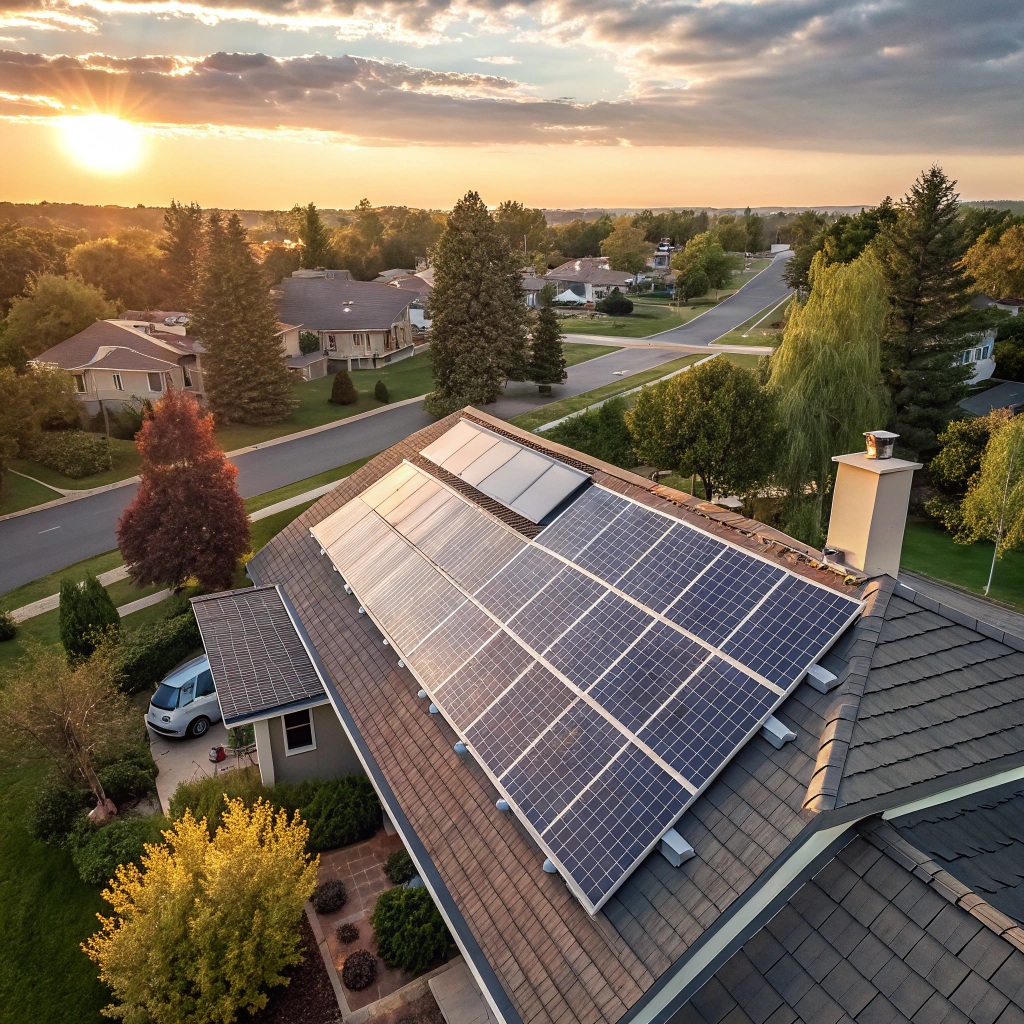
The energy revolution isn't coming—it's already here, sitting right above your head. Your roof represents untapped potential worth thousands in savings, and I'm about to show you exactly how to unlock it.
Our Home, Your Power: Guaranteeing Comfort and Connectivity When the Grid Goes Down?
Problem: Power outages leave families vulnerable. Agitation: Essential systems fail when you need them most. Solution: Solar battery backup ensures continuous power.
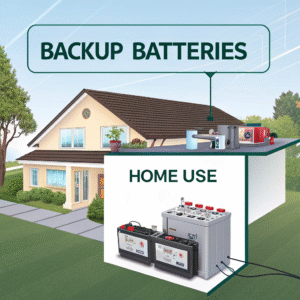
Home solar battery systems provide 8-24 hours of backup power during outages, maintaining critical appliances like refrigeration, medical equipment, and communications while neighbors remain in darkness.
The Reality of Grid Dependence
I've witnessed firsthand how devastating power outages can be. During Hurricane Sandy, my neighbor's solar-plus-battery system kept their home running while the entire neighborhood went dark for five days. Their refrigerator hummed, their phones stayed charged, and their medical equipment never missed a beat.
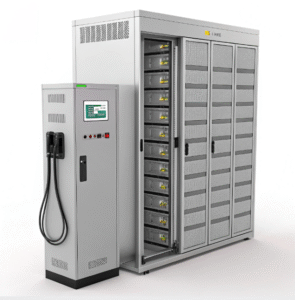
The key lies in understanding load management and battery capacity2. A typical home battery system stores 10-20 kWh of energy, enough to power essential loads for extended periods. Smart inverters automatically prioritize critical circuits, ensuring your most important appliances receive power first.
| System Component | Backup Duration | Critical Functions |
|---|---|---|
| 10 kWh Battery | 8-12 hours | Lights, refrigerator, medical devices |
| 20 kWh Battery | 16-24 hours | Full home backup including HVAC |
| Grid-tie with Backup | Unlimited | Seamless transition during outages |
Modern battery systems integrate seamlessly with existing solar installations, providing peace of mind that extends far beyond simple cost savings. The technology has evolved from basic backup power to sophisticated energy management systems that learn your usage patterns and optimize performance accordingly.
Harvest the Sun's Bounty: Maximize Your Home's Energy Potential in Sun-Drenched Climates?
Problem: High solar potential3 goes unused. Agitation: Wasting free energy while paying premium rates. Solution: Strategic solar placement maximizes energy harvest.
Homes in sunny climates can generate 20-30 kWh daily with properly oriented solar arrays, often producing more electricity than consumed, creating net-positive energy homes with sellback profits.
Understanding Your Solar Window
Living in Arizona taught me the importance of timing and positioning. The sun's path changes seasonally, and understanding these patterns is crucial for maximizing energy harvest. South-facing roofs with minimal shading capture the most energy, but east and west orientations can also be highly productive.
The magic happens when you align your system size with your consumption patterns. I've seen 8 kW systems in Nevada generate over 12,000 kWh annually—enough to power two average homes. The key is conducting a proper shade analysis and understanding your roof's solar irradiance4 potential.
Seasonal Production Patterns
Summer months in desert climates can produce 150% of winter output, making battery storage or grid-tie arrangements essential for year-round optimization. Smart inverters and monitoring systems track production in real-time, allowing homeowners to adjust consumption patterns for maximum efficiency.
| Season | Daily Production | Monthly Savings |
|---|---|---|
| Summer | 25-35 kWh | $200-300 |
| Winter | 15-20 kWh | $120-180 |
| Spring/Fall | 20-25 kWh | $160-220 |
The economics become even more compelling when you consider net metering policies, which allow excess production to be sold back to the utility at retail rates, essentially turning your roof into a profit center.
Live Smarter, Live Greener, Live Freer: The Complete Guide to Home Solar for Your Climate?
Problem: Complex solar decisions overwhelm homeowners. Agitation: Analysis paralysis prevents action on savings. Solution: Simplified climate-specific solar strategies deliver results.
Climate-optimized solar installations reduce electricity costs by 80-95% while increasing home values by $15,000-25,000, paying for themselves within 6-8 years through combined savings and incentives.
The Three Pillars of Solar Success
My journey into solar began with overwhelming confusion about system sizing, financing, and installation. After helping hundreds of homeowners navigate these decisions, I've identified three critical success factors: proper system sizing, strategic financing, and professional installation.
System sizing isn't just about roof space—it's about matching production to consumption while accounting for future needs like electric vehicles or pool equipment. I always recommend sizing systems 20-30% larger than current usage to accommodate lifestyle changes.
Financial Strategy and Incentives
The federal solar tax credit5 currently covers 30% of installation costs, while many states offer additional rebates and performance incentives. Financing options range from cash purchases to solar loans and leasing arrangements, each with distinct advantages depending on your situation.
| Financing Option | Ownership | Tax Benefits | Monthly Payment |
|---|---|---|---|
| Cash Purchase | Full | Yes | None |
| Solar Loan | Full | Yes | Fixed |
| Solar Lease | None | No | Fixed |
| PPA Agreement | None | No | Variable |
The smartest approach combines available incentives with long-term energy projections, creating a financial model that delivers maximum lifetime savings while maintaining system ownership and all associated benefits.
Implementation Timeline and Expectations
Professional installations typically take 1-3 days, with permitting and utility interconnection adding 4-8 weeks to the overall timeline. The key is working with certified installers who handle all paperwork and coordinate with local authorities seamlessly.
Post-installation monitoring reveals system performance and identifies optimization opportunities. Modern solar systems require minimal maintenance—primarily keeping panels clean and monitoring production—making them truly set-and-forget investments in your home's future.
Conclusion
Solar power transforms homes into energy-independent powerhouses, slashing bills while increasing property values and environmental sustainability through proven, accessible technology.
Understand how grid backup power can keep your home running during outages. ↩
Get insights into battery capacities and how they affect your energy storage. ↩
Learn strategies to maximize your home's solar potential and save on energy costs. ↩
Explore the concept of solar irradiance and its impact on solar energy production. ↩
Find out how the solar tax credit can significantly reduce your installation costs. ↩