
Buffer Your Business: How Industrial Battery Storage Shields Your Factory from Power Surges & Spikes?
Power disruptions devastate production schedules, damage equipment, and drain profits. Industrial battery storage1 systems provide reliable protection against voltage irregularities.
Industrial battery storage protects factories by absorbing power surges, maintaining voltage stability, and providing backup power during outages, ensuring continuous operations and equipment protection.
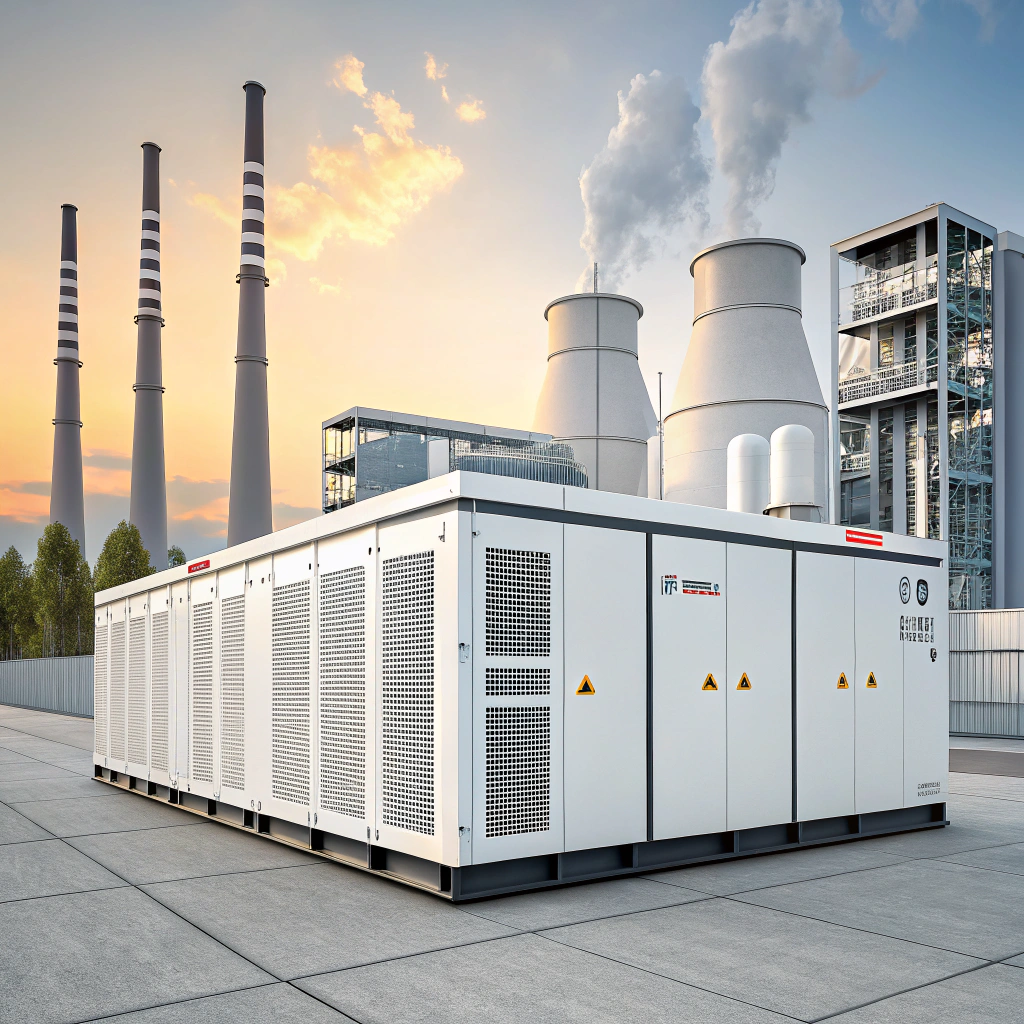
When I first witnessed a power surge knock out an entire production line, the financial impact was staggering. That day changed everything about how I viewed energy security in manufacturing. Modern factories can't afford the luxury of hoping the grid stays stable—they need bulletproof protection that keeps operations running smoothly, no matter what chaos hits the electrical system.
Maintain Momentum: Why Is Battery Backup Critical for Uninterrupted Industrial Processes?
Unexpected downtime costs manufacturers thousands per minute. Smart battery systems prevent costly interruptions by seamlessly bridging power gaps during outages.
Battery backup systems maintain critical industrial processes by providing immediate power during grid failures, preventing equipment damage, data loss, and production delays that cost manufacturers significantly.
Understanding the True Cost of Power Interruptions
I've seen factories lose millions in a single outage. Beyond immediate production losses, there's equipment damage, raw material waste, and the nightmare of restarting complex manufacturing processes. Modern industrial battery systems act like insurance policies that actually prevent claims rather than just paying for damage after it happens.
The ripple effects of power disruptions extend far beyond the obvious. Quality control systems fail, environmental controls shut down, and safety systems can be compromised. Smart battery storage creates a protective bubble around your entire operation, maintaining critical systems even when the grid falters.
| Impact Area | Without Battery Backup | With Battery Protection |
|---|---|---|
| Production Loss | $50,000-$500,000/hour | Minimal to zero |
| Equipment Damage | High risk | Protected |
| Data Integrity | Vulnerable | Maintained |
From Grid Reliance to Grid Resilience: How Do Smart Batteries Future-Proof Your Factory?
Grid instability is increasing while manufacturing precision demands are rising. Strategic battery deployment transforms vulnerable factories into resilient powerhouses.
Smart battery systems future-proof factories by providing grid independence, demand charge management, and renewable energy integration2, creating flexible, cost-effective power strategies for long-term competitiveness.
Building Energy Independence Through Strategic Storage
The transformation from grid dependence to energy resilience reminds me of switching from dial-up internet to fiber optic. Once you experience true power security, there's no going back. Modern battery systems don't just provide backup power—they actively manage energy costs, store renewable energy, and even generate revenue through grid services.
Peak demand charges can devastate manufacturing budgets. I've watched companies slash their electricity bills by 30-50% simply by using batteries to avoid peak pricing periods. The system learns your usage patterns and automatically optimizes energy consumption, like having a brilliant energy manager working 24/7.
Integration with renewable energy sources creates additional value streams. Solar panels paired with battery storage can power operations during expensive peak hours while selling excess energy back to the grid during low-demand periods.
Your Factory's Strategic Energy Reserve: What Makes Battery Storage a Smart Investment?
Energy costs keep climbing while profit margins shrink. Strategic battery storage transforms energy from an expense into a competitive advantage.
Industrial battery storage delivers ROI through demand charge reduction, energy arbitrage3, grid services revenue, and operational continuity, typically paying for itself within 3-5 years.
Calculating the Real Return on Investment
The financial benefits of industrial battery storage4 extend beyond simple backup power calculations. I've helped facilities achieve payback periods as short as 2-3 years by maximizing multiple value streams simultaneously. Demand charge management alone can save hundreds of thousands annually for large manufacturing operations.
Battery systems also provide insurance value that's difficult to quantify until you need it. The cost of a comprehensive battery installation often equals just one major outage event. Every subsequent protection event represents pure savings, not to mention the competitive advantage of never missing delivery deadlines due to power issues.
Advanced battery management systems optimize performance across multiple objectives: cost reduction, grid stability, environmental compliance, and operational resilience. It's like having a Swiss Army knife for energy management that gets sharper with use.
| Value Stream | Annual Savings Potential |
|---|---|
| Demand Charges | $100,000-$500,000 |
| Energy Arbitrage | $50,000-$200,000 |
| Outage Prevention | $200,000-$2,000,000 |
Conclusion
Industrial battery storage1 transforms factories from vulnerable grid dependents into resilient energy-independent operations, protecting against disruptions while reducing costs.
Explore how industrial battery storage can enhance your factory's energy security and operational efficiency. ↩
Explore the advantages of integrating renewable energy sources with battery storage for sustainable manufacturing. ↩
Learn how energy arbitrage can optimize energy costs and improve profitability for industrial operations. ↩
Explore the financial advantages of investing in industrial battery storage for your factory. ↩