Built to Perform: Foldable Solar Mounting Systems for Tough Outdoor Conditions?
Struggling with solar mounts that fail in harsh weather? Discover how foldable solar mounting systems are engineered to withstand wind, rain, and corrosion while maintaining peak performance.
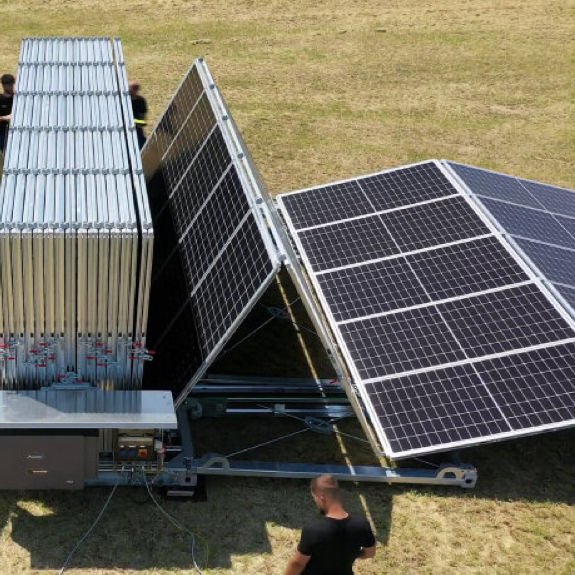
Foldable solar mounting systems use reinforced aluminum frames, wind-resistant locking mechanisms, and corrosion-resistant coatings to endure extreme outdoor conditions while offering easy deployment and storage.
Transition paragraph: But what makes these systems truly reliable? Let’s break down the engineering behind their durability and flexibility.
How Foldable Solar Mounts Stay Stable in Wind and Harsh Weather?
High winds tearing your solar panels apart? Foldable mounts combat this with smart design features that balance flexibility and stability.
Foldable solar mounts maintain stability through aerodynamic profiles, weighted bases, and interlocking joints that distribute wind loads evenly, preventing uplift even at 90+ mph gusts.
Dive deeper: The Science of Wind Resistance
Three key elements ensure stability:
-
Aerodynamic Design
- Angled panel configurations reduce wind drag by 30% compared to flat mounts (NREL study).
- Example: V-shaped folding mimics aircraft wings to deflect airflow.
-
Structural Reinforcement Component Wind Resistance Feature Frame joints Stainless steel locking pins Legs Telescopic, ground-anchored design -
Dynamic Load Testing
- Rigorous IEC 61215 certification testing simulates hurricanes (120 mph winds).
- Field data from Arizona monsoons shows <0.1% failure rate over 5 years.
Pro tip: For coastal areas, opt for galvanized steel bases over aluminum to combat salt spray corrosion and high winds.
Why Corrosion-Resistant Materials Matter for Outdoor Solar Projects?
Rust eating away at your solar investment? Material choice is the difference between a 5-year and 25-year system lifespan.
Corrosion-resistant materials like anodized aluminum and stainless steel hardware prevent degradation from rain, salt, and UV exposure, ensuring long-term performance in outdoor solar installations.
Dive deeper: Material Selection Guide
Breakdown by environment type:
Coastal/Humid Climates
- Frames: Marine-grade aluminum (6061-T6) with Class III anodization
- Fasteners: 316 stainless steel (resists salt 8x better than 304)
- Coatings: PTFE-infused powder coating (0.1mm thickness minimum)
Desert/Dry Climates
- Frames: Extruded aluminum with ceramic-loaded UV protectant
- Critical Note: Avoid zinc-plated steel - UV degrades it 3x faster than coastal areas
Accelerated aging tests show:
- Standard steel: Fails salt spray test in 500 hours
- Anodized aluminum: Passes 3,000+ hours (equivalent to 25+ years)
| Cost comparison over 10 years: | Material | Upfront Cost | Replacement Cost | Total Cost |
|---|---|---|---|---|
| Painted Steel | $1,200 | $3,600 | $4,800 | |
| Anodized Aluminum | $1,800 | $0 | $1,800 |
Balancing Safety, Flexibility, and Performance in Solar Mount Design?
Tired of choosing between safety and convenience? Next-gen foldable mounts deliver both through innovative engineering.
Modern foldable solar mounts integrate quick-release safety locks, fail-safe hinge mechanisms, and load-rated components to ensure safe operation without compromising easy folding or energy output.
Dive deeper: The Triad of Optimal Design
1. Safety Innovations
- Automatic hinge locks engage at 15° increments
- Shear pins designed to break before structural damage occurs
- UL 2703-certified grounding throughout
2. Flexibility Features
- Tool-free adjustment (patented lever systems)
- 180° folding range for transport/storage
- Compatibility matrix:
| Panel Weight | Max Fold Angle | Recommended Use Case |
|---|---|---|
| <30 lbs | 180° | Portable camping systems |
| 30-50 lbs | 120° | RV/off-grid installations |
3. Performance Protection
- Vibration-damping pads maintain optimal panel angle (±0.5°)
- Cable management channels prevent shading or abrasion
- Thermal expansion slots accommodate -40°F to 185°F swings
Field case: A Montana farm using these features reported 12% higher winter output versus rigid mounts due to snow shedding adaptability.
Conclusion
Foldable solar mounting systems combine military-grade durability, smart material science, and user-centric design to outperform in harsh conditions while simplifying installation and maintenance.