Bypass Peak Pricing: Why Solar Panels Offer the Smartest Defense Against High Daytime Electricity Rates?
Problem: Soaring daytime electricity rates are crushing household budgets. Agitation: Every sunny day means higher bills. Solution: Solar panels eliminate peak pricing dependency.
Solar panels bypass peak pricing by generating electricity during expensive daytime hours, reducing grid dependence and protecting against utility rate increases while providing long-term energy cost savings.
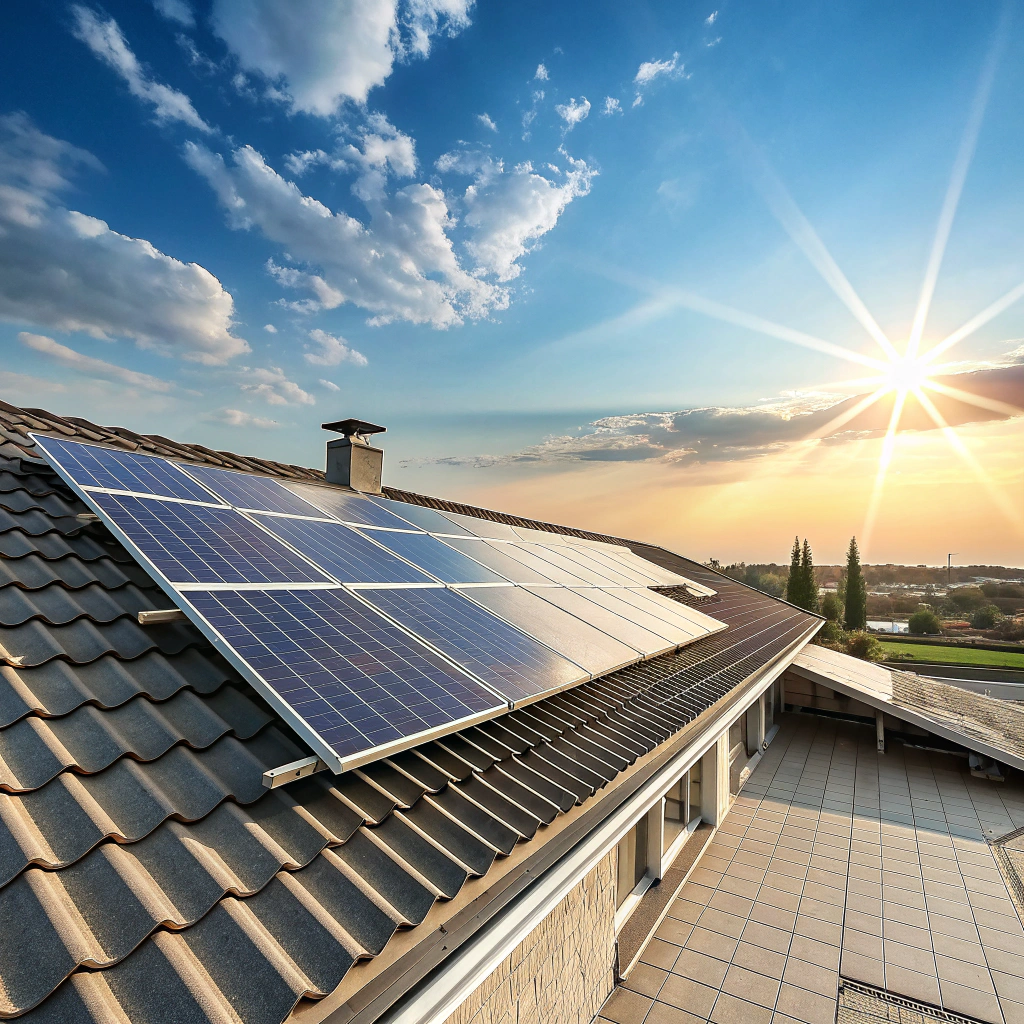
You know that sinking feeling when you open your electricity bill and see those peak hour charges? I've been there, watching my energy costs climb every summer as air conditioning battles the afternoon heat. The frustrating part is knowing that the sun is blazing outside while I'm paying premium rates for grid electricity. That's when I realized solar panels1 weren't just an environmental choice—they were my financial lifeline against these escalating peak pricing schemes that utilities keep pushing on consumers.
Harnessing Your Own Power Source: The Path to True Energy Independence for Homes and Businesses?
Problem: Grid dependency leaves you vulnerable to rate hikes. Agitation: Utilities control your energy costs. Solution: Solar creates energy independence.
Solar panels provide energy independence by generating on-site electricity, eliminating reliance on utility companies and protecting against future rate increases while maintaining consistent power supply.
Breaking Free from Utility Control
The concept of energy independence2 hit me like a lightning bolt during my first major power outage. While my neighbors sat in darkness, I realized how completely dependent we'd become on utility companies. Solar panels fundamentally shift this dynamic by transforming your property into a personal power plant.
When you install solar panels, you're essentially hiring the sun as your private electrician. Unlike traditional utility arrangements where you're merely a customer subject to rate changes and service interruptions, solar ownership puts you in the driver's seat. This independence becomes especially valuable during peak pricing periods when utilities charge premium rates.
| Energy Source | Control Level | Price Stability | Long-term Cost |
|---|---|---|---|
| Grid Electricity | Zero | Unpredictable | Increasing |
| Solar Power | Complete | Fixed | Decreasing |
| Hybrid System | Moderate | Partially Fixed | Stable |
The beauty of solar independence extends beyond just avoiding peak rates. You're creating a hedge against inflation, utility monopolies, and even geopolitical events that can disrupt energy markets. I've watched friends stress over doubling electricity bills while my solar system continues producing free power year after year.
Your Local Power Plant: Transforming Abundant Sunlight into Clean, Sustainable Energy for Your Community?
Problem: Centralized power generation creates transmission losses and pollution. Agitation: Your energy travels hundreds of miles before reaching you. Solution: Local solar generation eliminates waste.
Distributed solar generation reduces transmission losses, strengthens grid resilience, and provides clean local energy that benefits entire communities through reduced infrastructure strain and environmental impact.
Community-Wide Benefits of Distributed Generation
I never considered how my solar panels would impact my entire neighborhood until my installer explained the ripple effects. When multiple homes generate their own power, it reduces strain on local transformers and power lines, creating a more resilient energy network for everyone.
The concept is beautifully simple: instead of massive power plants sending electricity across hundreds of miles (losing energy through transmission), solar panels create power right where it's needed. This distributed approach means less infrastructure stress, fewer blackouts, and reduced environmental impact3 from long-distance energy transport.
During peak demand periods, when everyone's cranking their air conditioners, traditional grids often struggle. But neighborhoods with significant solar adoption actually feed excess power back into the system, helping stabilize local voltage and reducing the need for expensive "peaker" plants that utilities fire up during high-demand periods.
| Generation Type | Transmission Loss | Grid Impact | Environmental Benefit |
|---|---|---|---|
| Centralized Coal | 8-15% | High Strain | Negative |
| Natural Gas | 6-10% | Moderate Strain | Moderate Negative |
| Local Solar | 0-2% | Grid Support | Highly Positive |
This local generation model also creates economic benefits beyond individual savings. Property values in solar-dense neighborhoods tend to increase, and the reduced grid strain means utilities need fewer costly infrastructure upgrades.
Unlock Decades of Free Electricity: The Long-Term Financial Power of Installing Solar Panels Today?
Problem: Electricity costs compound over decades. Agitation: Your lifetime energy bill could exceed $100,000. Solution: Solar locks in free power for 25+ years.
Solar panels provide 25-30 years of free electricity4 after payback period, potentially saving $50,000-$150,000 in lifetime energy costs while protecting against inflation and rate increases.
The Mathematics of Long-Term Savings
When I first calculated my potential lifetime electricity costs without solar, the number was staggering: over $120,000 based on current rates and modest annual increases. That moment crystallized why solar isn't just about monthly bill reduction—it's about locking in decades of energy security5.
Most quality solar panels come with 25-year warranties but often produce power for 30+ years. After the typical 6-8 year payback period, every kilowatt-hour is essentially free money in your pocket. This becomes especially powerful when you consider that electricity rates historically increase 2-3% annually while your solar system's cost remains fixed.
The compound effect is remarkable. A $20,000 solar investment6 might save $2,500 annually in the first year. But as electricity rates climb over time, that annual saving grows to $3,000, then $3,500, and beyond. Meanwhile, your solar system continues producing at the same high level with minimal maintenance costs.
| Year | Grid Cost (3% increase) | Solar Savings | Cumulative Savings |
|---|---|---|---|
| 1 | $2,500 | $2,500 | $2,500 |
| 10 | $3,362 | $3,362 | $29,500 |
| 20 | $4,515 | $4,515 | $73,200 |
| 25 | $5,234 | $5,234 | $98,750 |
Smart financing options like solar loans or leases can even eliminate upfront costs, meaning you start saving from day one. I financed my system and my loan payment is actually less than my previous electric bill—immediate positive cash flow that only improves over time.
Conclusion
Solar panels eliminate peak pricing vulnerability while delivering energy independence, community benefits, and decades of financial savings that compound over time.
Explore how solar panels can significantly lower your electricity bills and provide long-term savings. ↩
Discover the advantages of energy independence and how solar panels can help you achieve it. ↩
Learn about the positive environmental effects of solar energy compared to traditional sources. ↩
Understand how solar panels can lead to decades of free electricity and substantial savings. ↩
Understand the concept of energy security and how solar panels enhance it for homeowners. ↩
Explore the financial returns of solar investments and how they can benefit homeowners. ↩