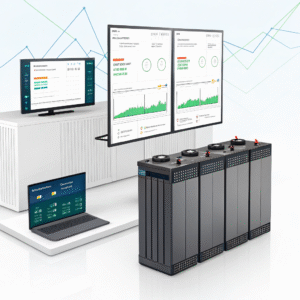
Commercial & Industrial Energy Storage Is Transforming the Way Businesses Use Power
Struggling with unpredictable energy costs and grid reliability issues? Commercial & Industrial (C&I) energy storage systems are revolutionizing how businesses manage power, offering cost savings and energy independence1.
C&I energy storage2 helps businesses reduce peak demand charges3, optimize energy usage, and generate revenue through grid services, making operations more resilient and sustainable.
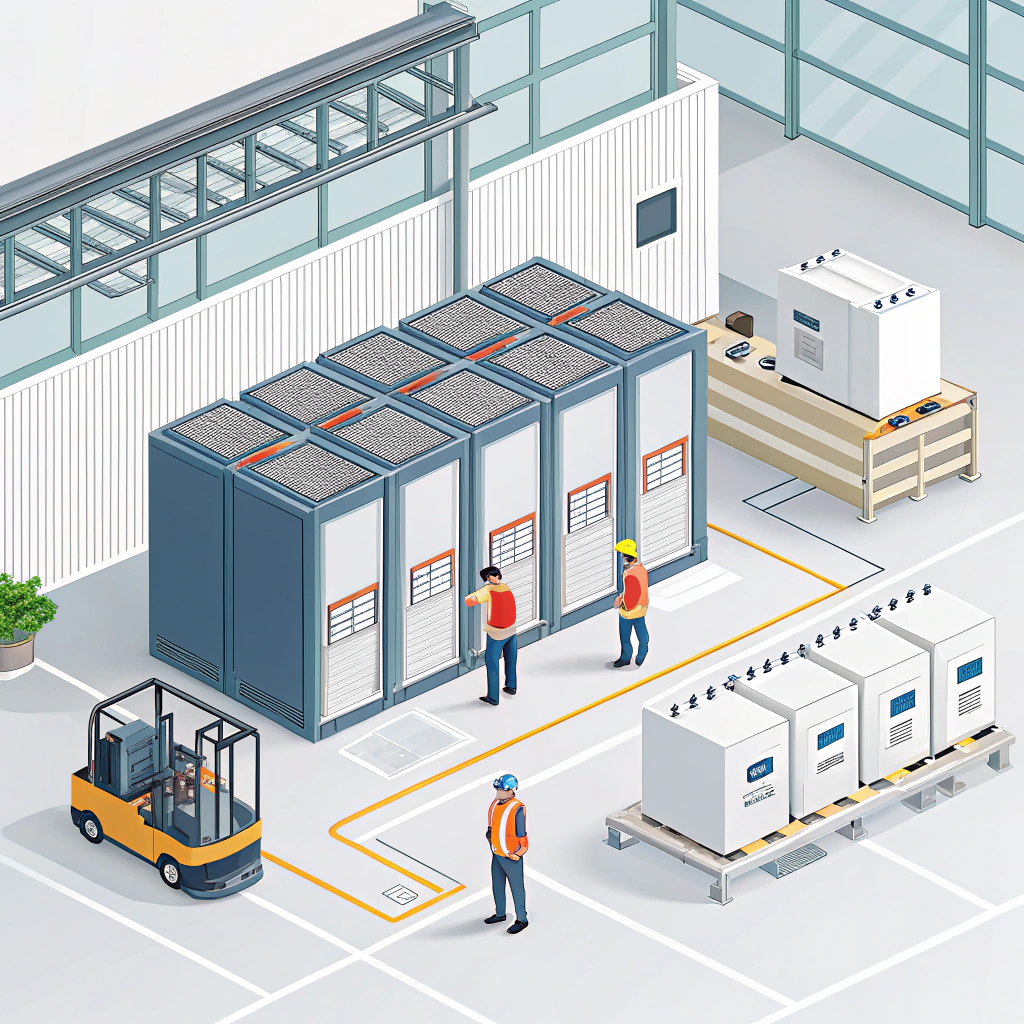
The energy landscape is shifting rapidly, and businesses that adapt will gain a competitive edge. Let’s explore how C&I energy storage2 can transform your power strategy.
How Does C&I Energy Storage Help Businesses Reduce Power Costs and Increase Revenue?
Frustrated by soaring electricity bills and grid instability? C&I energy storage2 slashes costs and unlocks new revenue streams by intelligently managing energy flow.
Energy storage reduces power costs by shifting consumption to off-peak hours, lowering demand charges, and participating in demand response programs[^4], while excess stored energy can be sold back to the grid for additional income.
Breaking Down the Financial Benefits
1. Peak Shaving & Demand Charge Reduction
- How it works: Stores energy during low-rate periods and discharges it during peak hours to avoid high demand charges.
- Impact: Can cut electricity bills by 20–40% for businesses with high peak demand.
| Strategy | Savings Potential | Best For |
|---|---|---|
| Peak Shaving | 20–40% reduction | Factories, data centers |
| Time-of-Use Arbitrage | 10–30% savings | Retail, offices |
2. Revenue from Grid Services
- Frequency Regulation: Earn payments by stabilizing grid frequency.
- Demand Response: Get paid for reducing load during grid stress.
3. Backup Power & Resilience
- Avoid costly downtime during outages (critical for manufacturing, healthcare).
The Practical Role of Energy Storage Batteries in Peak Shaving and Demand Management
Tired of unpredictable energy spikes wrecking your budget? Battery storage systems provide precise control over demand, smoothing out costly peaks.
Energy storage batteries enable peak shaving by discharging stored power during high-demand periods, reducing grid reliance and demand charges, while advanced software optimizes energy dispatch for maximum savings.
How Peak Shaving Works in Practice
- Load Analysis: Identify peak demand periods using historical data.
- Battery Dispatch: Automatically discharge stored energy when demand spikes.
- Software Optimization: AI-driven systems predict usage patterns for optimal savings.
Case Study: A California manufacturing plant reduced demand charges by 35% using a 500 kWh battery system.
Demand Management Strategies
- Load Shifting: Run non-critical operations during off-peak hours.
- Behind-the-Meter Storage: Avoid grid dependency during peak pricing.
Which Types of Businesses Benefit Most from C&I Energy Storage Systems?
Wondering if energy storage is right for your business? High-energy users and operations with critical power needs stand to gain the most.
Manufacturing plants, data centers, retail chains, and hospitals benefit most from C&I energy storage2 due to high energy demand, peak sensitivity, and need for backup power[^5], achieving rapid ROI through cost savings and resilience.
Top Industries for Energy Storage Adoption
| Industry | Key Benefits | ROI Timeline |
|---|---|---|
| Manufacturing | Peak shaving, process continuity | 3–5 years |
| Data Centers | Backup power, reduced downtime costs | 2–4 years |
| Retail/Grocery | Demand charge reduction, TOU savings | 4–6 years |
| Healthcare | Life-critical backup, energy cost control | 5–7 years |
Emerging Opportunities
- EV Charging Hubs: Storage buffers high-power charging demands.
- Renewable Integration: Stores excess solar/wind for later use.
Conclusion
C&I energy storage2 cuts costs, boosts resilience, and unlocks revenue, making it a smart investment for energy-intensive businesses.
Understand the concept of energy independence and its benefits for your business's operational resilience. ↩
Explore how C&I energy storage can revolutionize your business's energy management and cost savings. ↩
Learn effective strategies to minimize peak demand charges and enhance your energy efficiency. ↩