Comprehensive Guide to Modular Energy Storage Systems: From Transport & Installation to Cost Advantages
Struggling with bulky, inefficient energy storage systems? Modular designs are revolutionizing the industry—here’s how.
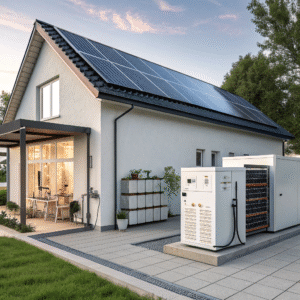
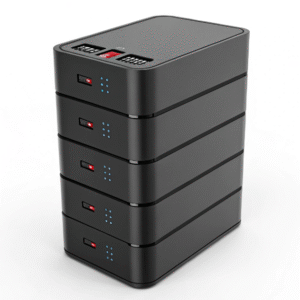
Modular energy storage systems1 simplify transport and installation via standardized, compact units that reduce logistical complexity and onsite labor, while their scalable design cuts long-term costs through flexible capacity adjustments.
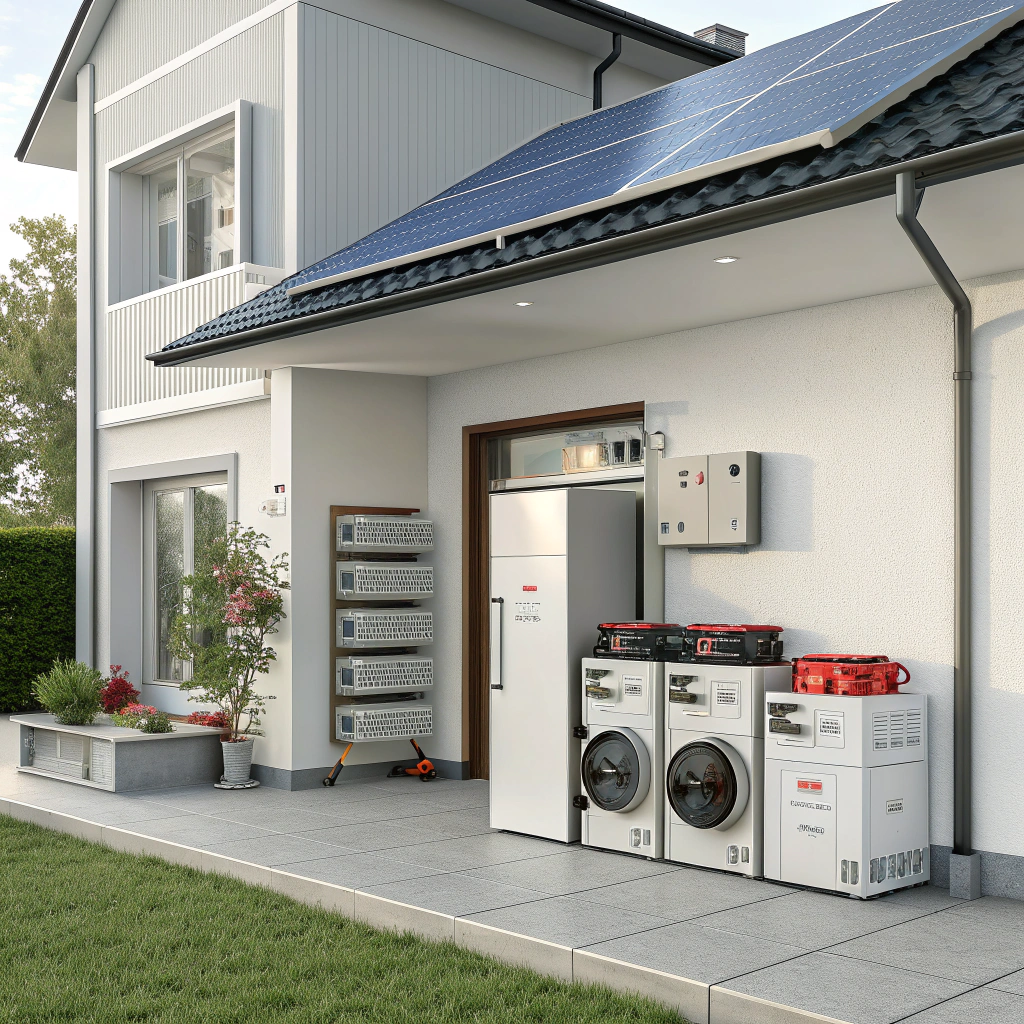
From shipping constraints to lifetime expenses, traditional energy storage faces multiple pain points. Let’s explore how modular systems tackle these challenges head-on.
Where Does Modularity Truly Improve Transport and Installation Efficiency?
Ever wasted days disassembling oversized batteries for transport? Modular systems erase this headache.
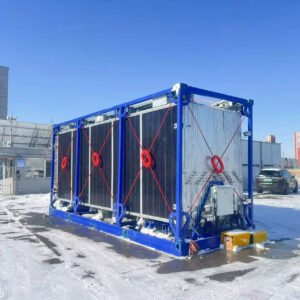
Modularity streamlines transport and installation by using standardized, containerized units that fit standard shipping dimensions, reduce heavy lifting, and enable plug-and-play deployment—cutting onsite labor by up to 40%.
Breaking Down the Efficiency Gains
-
- Standardized Sizing: Modules align with ISO container specs (20ft/40ft), avoiding oversized load permits.
- Weight Distribution: Smaller units eliminate the need for specialized handling equipment.
-
- Pre-Assembled Components: Reduced wiring/assembly onsite (e.g., Tesla Megapack’s factory-integrated design).
- Scalable Stacking: Units connect like building blocks—no custom foundations.
| Aspect | Traditional System | Modular System |
|---|---|---|
| Transport Cost | High (oversized freight) | Low (standard containers) |
| Installation Time | Weeks | Days |
Critical Insight: Modular designs excel in remote/urban sites where space and access are constrained. A 2023 Wood Mackenzie study found modular projects achieved 30% faster commissioning.
How Does Modular Design Reduce the Total Life-Cycle Cost (LCOE)[^4] of Energy Storage Systems?
Tired of overspending on underutilized storage capacity? Modularity lets you pay as you grow.
Modular systems lower LCOE by 15-25% through scalable capacity upgrades, reduced downtime for repairs (swap faulty modules vs. full shutdown), and economies of scale in manufacturing standardized components.
Cost-Saving Mechanisms
-
Scalability[^5]
- Add modules incrementally to match demand—avoid upfront overinvestment.
- Example: Fluence’s StackOS allows capacity expansion without replacing existing infrastructure.
-
- Isolate and replace single modules (like server racks) vs. system-wide downtime.
- Predictive maintenance per module cuts labor/outage costs by ~20%.
-
Manufacturing Savings
- Standardized production lines reduce unit costs (BloombergNEF estimates $/kWh drops 8% yearly for modular vs. 5% for traditional).
Pro Tip: Pair modular hardware with software-driven energy management to optimize degradation rates across modules.
How Does Modular Energy Storage Achieve Better Coordination with BMS/EMS?
Frustrated by clunky battery management? Modular systems speak the language of smart grids.
Modular architectures enable granular control—each unit integrates independent BMS/EMS communication, allowing real-time performance tracking, adaptive load balancing, and seamless integration with renewable sources (e.g., solar/wind curtailment mitigation).
Technical Advantages
-
Decentralized Control
- Per-module monitoring detects anomalies faster (e.g., temperature spikes).
- Example: LG Chem’s modular BMS isolates thermal events within 50ms.
-
Software Synergy
- APIs for modular systems simplify grid-service participation (frequency regulation, demand response).
- Data Highlight: AES’s Fluence platform boosts ROI by 12% via AI-driven module optimization.
-
Interoperability[^7]
- Standardized communication protocols (CAN bus, Modbus) ease integration with third-party EMS.
Future-Proofing: Modular designs adapt faster to evolving grid standards (e.g., CAISO’s 2025 resilience mandates).
Conclusion
Modular energy storage slashes costs, simplifies logistics, and enhances grid responsiveness—making it the future-proof choice for renewables integration.