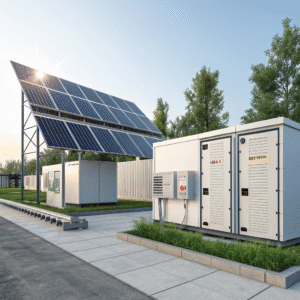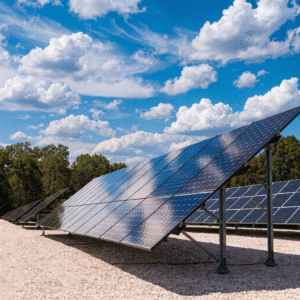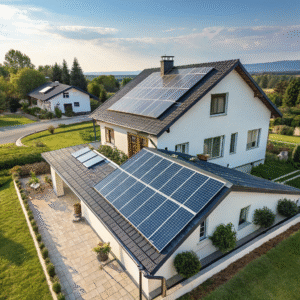
Core Technological Advantages of Energy Storage Batteries: From Capacity to Smart Management
Ever wondered how energy storage batteries manage to power our world efficiently while adapting to diverse needs?
Energy storage batteries1 balance capacity and efficiency through advanced materials, smart management systems, and modular designs, ensuring optimal performance for various applications while reducing costs.
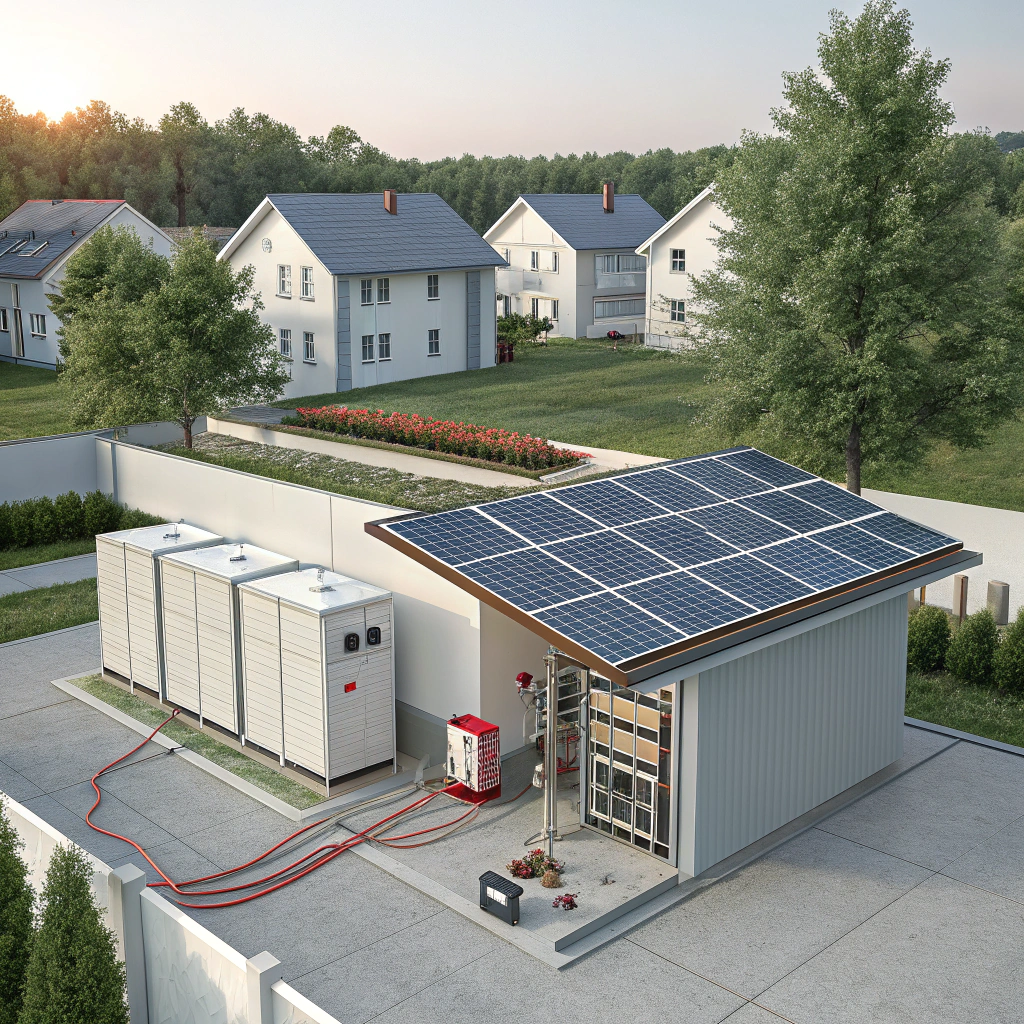
Energy storage batteries1 are revolutionizing how we store and use energy, but their true potential lies in their core technological advantages. Let’s dive deeper into how these innovations work.
How Do Energy Storage Batteries Achieve a Balance Between Capacity and Efficiency to Meet Diverse Demands?
Struggling to choose between high capacity and long-lasting efficiency in energy storage? You’re not alone.
Energy storage batteries1 achieve this balance using high-energy-density materials, optimized thermal management, and adaptive charging algorithms, ensuring both high capacity and sustained efficiency.
Key Factors in Balancing Capacity and Efficiency
-
High-Energy-Density Materials2
- Lithium-ion and solid-state batteries offer greater energy storage per unit volume.
- Example: Tesla’s 4680 cells improve energy density by 15% over previous models.
-
- Active cooling (liquid cooling) vs. passive cooling (heat sinks).
- Proper thermal regulation extends battery life by preventing overheating.
-
Adaptive Charging Algorithms[^4]
- AI-driven charging adjusts rates based on usage patterns.
- Reduces wear and improves efficiency by 20-30%.
| Feature | Impact on Capacity | Impact on Efficiency |
|---|---|---|
| High-energy-density cells | Increases capacity | May reduce efficiency |
| Thermal management | Protects capacity | Enhances efficiency |
| Smart charging | Optimizes capacity use | Maximizes efficiency |
By integrating these technologies, batteries can meet demands from electric vehicles to grid storage without compromising performance.
High-energy-density materials always improve battery efficiency.
False – While they boost capacity, improper thermal management can reduce efficiency.
How Do Smart Management Systems in Energy Storage Batteries Enhance Performance and Lower Costs?
Tired of batteries that degrade too fast or cost too much to maintain? Smart systems are the game-changer.
Smart management systems[^5] (BMS) optimize performance by monitoring cell health, balancing loads, and predicting failures, reducing operational costs by up to 40%.
How BMS Works to Cut Costs and Boost Efficiency
-
Real-Time Monitoring
- Tracks voltage, temperature, and state of charge (SOC).
- Prevents overcharging/overheating, extending lifespan.
-
- AI analyzes historical data to predict failures before they happen.
- Reduces downtime and replacement costs.
-
Load Balancing[^7]
- Distributes energy evenly across cells, preventing premature wear.
- Example: Grid-scale storage systems use BMS to optimize discharge cycles.
Smart BMS reduces battery replacement costs.
True – By preventing failures and extending lifespan.
How Does the Modular Design[^8] of Energy Storage Batteries Optimize Technological Upgrades and Product Customization?
Frustrated by outdated battery systems that can’t keep up with new tech? Modular design solves this.
Modular batteries allow easy upgrades, scalability, and customization by enabling individual component replacement, reducing waste and future-proofing investments.
Advantages of Modular Design[^8]
-
Scalability
- Add or remove modules based on energy needs (e.g., home vs. industrial use).
-
Upgradability
- Swap outdated cells for newer tech without replacing the entire system.
-
Customization
- Tailor battery packs for specific voltage/capacity requirements.
| Application | Modular Benefit |
|---|---|
| Electric vehicles | Easy battery swaps for longer trips |
| Renewable energy storage | Scale up as solar/wind capacity grows |
Modular batteries are less efficient than fixed designs.
False – They offer similar efficiency with added flexibility.
Conclusion
Energy storage batteries1 excel through smart capacity-efficiency balance, intelligent management, and modular adaptability, making them indispensable for a sustainable energy future.
Learn how modular designs allow for scalability and customization in energy storage solutions.
Explore the advantages of energy storage batteries and how they are transforming energy management. ↩
Learn how these materials enhance battery efficiency and capacity, crucial for modern energy solutions. ↩
Discover effective thermal management solutions that prolong battery life and optimize performance. ↩