
Core Technologies and System Optimization in Energy Storage Batteries: What’s Driving the Future?
Energy storage batteries are revolutionizing how we power our world, but what technologies are pushing the boundaries of efficiency and performance?
The future of energy storage lies in advanced cell technologies1, intelligent battery management systems2, and optimized system integration, balancing performance, safety, and cost for sustainable energy solutions.
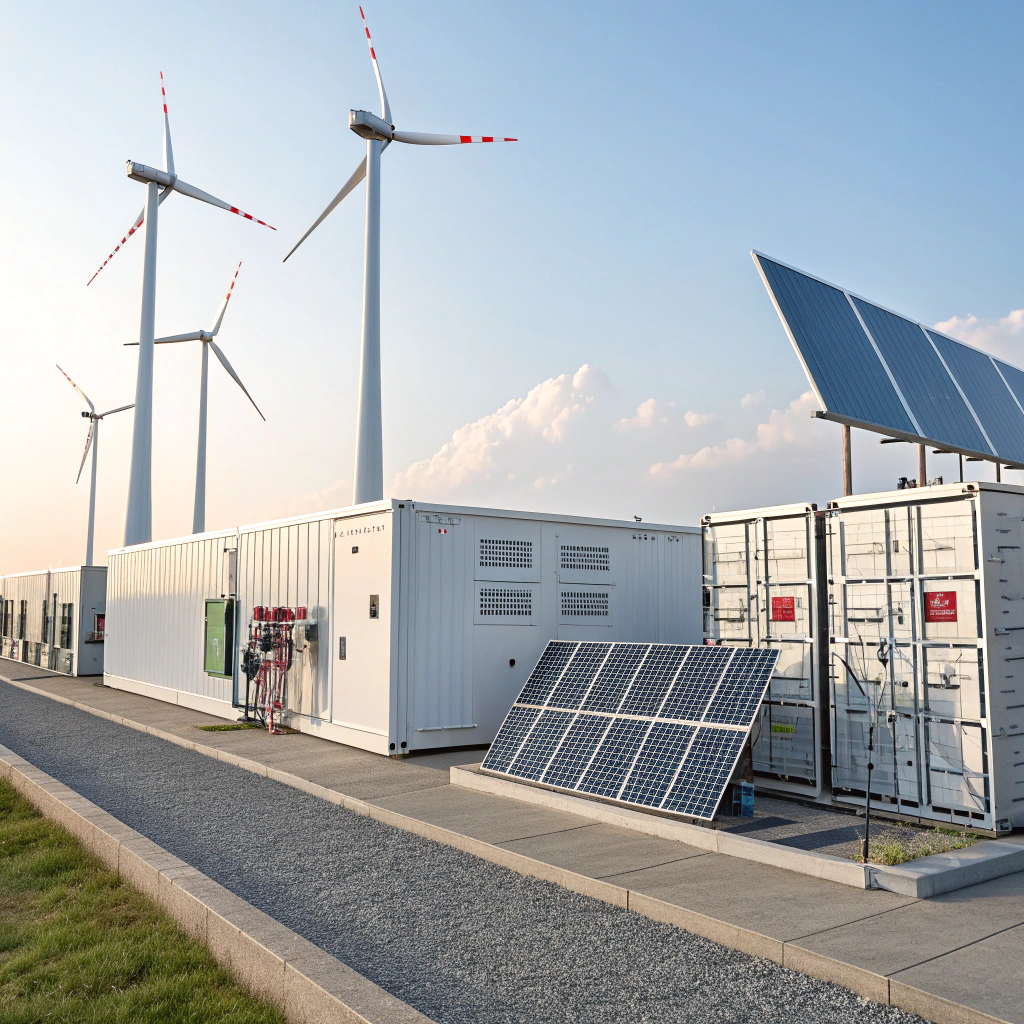
From smartphones to electric vehicles, energy storage batteries3 are the silent powerhouses behind modern technology. But what makes them tick, and how are they evolving to meet growing demands? Let’s dive into the core technologies shaping this dynamic field.
Cell Technology Evolution: From LiFePO₄ to Solid-State Batteries?
Why are battery cells undergoing such rapid transformation, and what does this mean for energy storage?
Battery cell technology has evolved from traditional LiFePO₄ to cutting-edge solid-state batteries[^4], offering higher energy density[^5], improved safety, and longer lifespans to meet diverse application needs.
The Shift from LiFePO₄ to Advanced Chemistries
The journey from lithium iron phosphate (LiFePO₄) to modern chemistries like NMC (Nickel Manganese Cobalt) and LFP (Lithium Ferro Phosphate) has been driven by the need for higher energy density[^5] and better thermal stability.
| Battery Type | Energy Density (Wh/kg) | Cycle Life | Thermal Stability |
|---|---|---|---|
| LiFePO₄ | 90-120 | 2000+ | Excellent |
| NMC | 150-220 | 1000-2000 | Moderate |
| Solid-State | 300-400 (projected) | 5000+ | Excellent |
Solid-State Batteries: The Next Frontier
Solid-state batteries replace liquid electrolytes with solid materials, eliminating flammability risks and enabling:
- Higher energy density[^5]: Potentially doubling current lithium-ion capacities.
- Faster charging: Reduced risk of dendrite formation.
- Longer lifespan: Minimal degradation over thousands of cycles.
However, challenges like high production costs and scalability remain. Companies like QuantumScape and Toyota are leading the charge, but widespread adoption may take another decade.
The Role of Silicon Anodes
Silicon anodes are another breakthrough, offering up to 10x the capacity of graphite. Yet, expansion issues during charging have limited their use. Innovations like nanostructured silicon and hybrid anodes are paving the way for commercialization.
Solid-state batteries are already widely used in EVs.
False: They are still in development, with limited commercial availability.
Silicon anodes can store more lithium than graphite anodes.
True: Silicon’s theoretical capacity is significantly higher.
The Intelligent Evolution of Battery Management Systems (BMS)?
How are smart BMS technologies transforming battery performance and safety?
Modern Battery Management Systems (BMS) leverage AI and real-time data analytics to optimize charging, prevent failures, and extend battery life, making them indispensable for energy storage solutions.
AI and Machine Learning in BMS[^6]
Advanced BMS now use AI to:
- Predict battery degradation patterns.
- Optimize charging cycles for longevity.
- Detect anomalies before they cause failures.
For example, Tesla’s BMS uses machine learning to adjust charging rates based on usage history, temperature, and cell imbalances.
Key Features of Next-Gen BMS
| Feature | Benefit |
|---|---|
| Real-time monitoring | Immediate fault detection |
| Adaptive charging | Maximizes lifespan and efficiency |
| Cloud integration | Remote diagnostics and updates |
Challenges and Future Directions
- Data security: Protecting sensitive battery data from breaches.
- Standardization: Ensuring compatibility across manufacturers.
- Edge computing: Reducing latency by processing data locally.
AI can predict battery failures before they occur.
True: Machine learning models analyze patterns to forecast issues.
All BMS systems are interchangeable between brands.
False: Lack of standardization limits cross-compatibility.
System Integration Optimization: Balancing Efficiency, Safety, and Cost?
What does it take to build an energy storage system that excels in all aspects?
Optimizing system integration involves harmonizing battery cells, BMS, and thermal management[^7] to achieve peak efficiency, safety, and cost-effectiveness for applications ranging from EVs to grid storage.
Thermal Management: The Unsung Hero
Effective thermal systems are critical for:
- Preventing overheating (a major cause of battery fires).
- Maintaining optimal performance in extreme conditions.
- Extending battery lifespan.
Liquid cooling vs. air cooling:
- Liquid cooling: More efficient but costlier.
- Air cooling: Cheaper but less effective for high-power applications.
Modular Design for Scalability
Modular systems allow:
- Easy expansion for grid storage.
- Simplified maintenance (replace single modules instead of entire systems).
- Cost savings through standardized components.
Cost Optimization Strategies
| Strategy | Impact |
|---|---|
| Cell-to-pack designs | Reduces weight and material costs |
| Recycling programs | Lowers raw material expenses |
| Localized production | Cuts shipping and tariff costs |
Liquid cooling is always better than air cooling for batteries.
False: Air cooling suffices for low-power applications.
Modular designs reduce maintenance costs.
True: Individual module replacement cuts downtime and expenses.
Conclusion
Energy storage batteries are advancing through smarter BMS, innovative cell tech, and optimized integration, paving the way for safer, more efficient, and cost-effective solutions.