Customized Solar Power Systems: Save Money Every Day and Maximize Energy Value
Tired of rising electricity bills and unpredictable energy costs? A customized solar power system could be your solution to daily savings and long-term financial benefits.
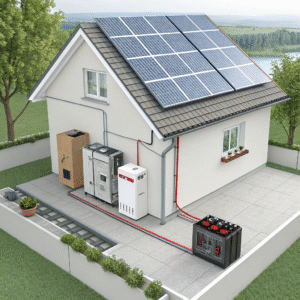
Customized solar power systems reduce grid dependency by generating free daytime electricity, storing excess energy for later use, and offering grid feed-in income opportunities—all while delivering decades of reliable service.
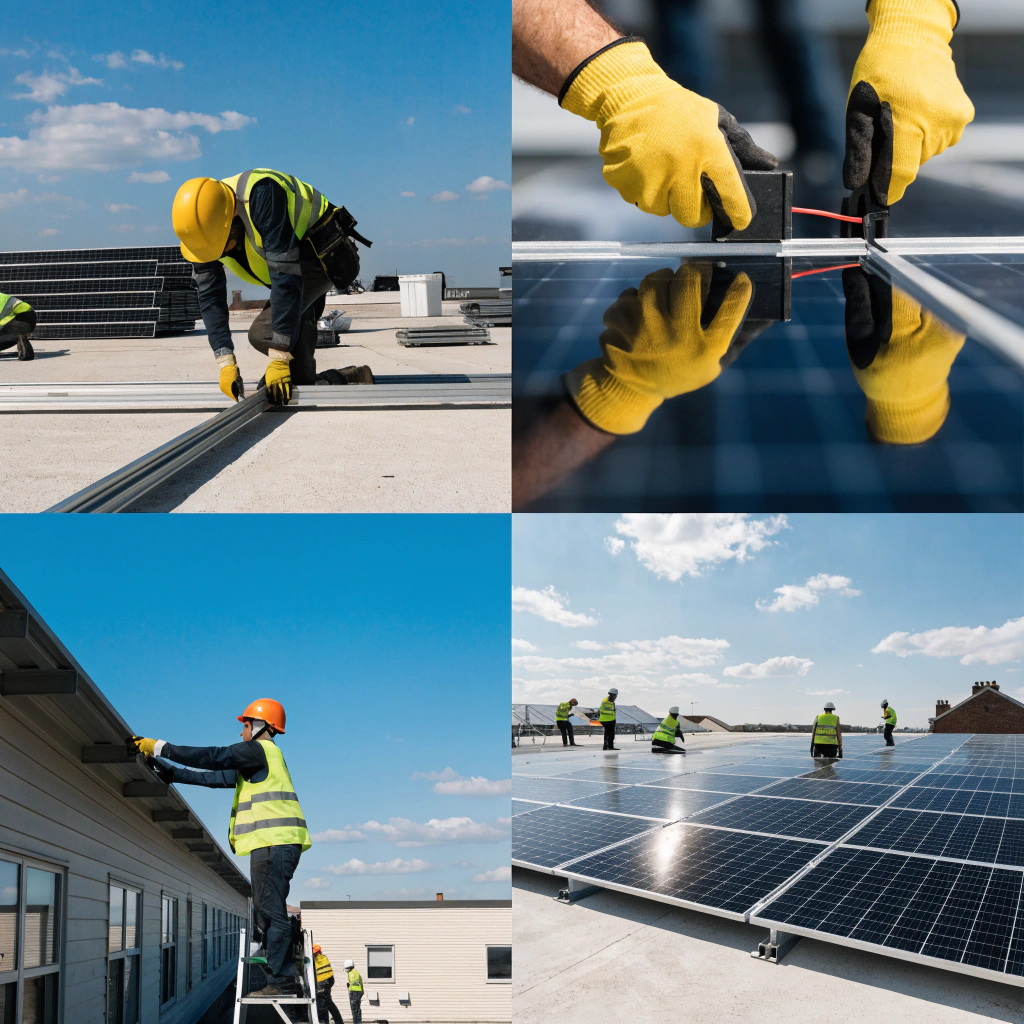
Imagine slashing your electricity bills while contributing to a greener planet. Solar technology has evolved to offer personalized solutions that fit your energy needs perfectly. Let’s explore how you can maximize savings and energy value with a system tailored just for you.
Use Solar Power During the Day and Greatly Reduce Grid Electricity Costs
Why pay full price for grid electricity when the sun provides free power?
Using solar energy during daylight hours directly offsets grid consumption, cutting electricity bills by 50-90% depending on system size and usage patterns, with immediate ROI on every kilowatt-hour generated.
How Daytime Solar Consumption Works
-
Self-Consumption Priority
- Solar panels generate DC electricity, converted to AC via an inverter for home use.
- Smart systems prioritize solar power over grid power in real time.
-
Load Shifting Strategies
- Schedule high-energy tasks (e.g., laundry, EV charging) for peak sunlight hours.
- Smart home integrations automate energy use for maximum solar utilization.
| Scenario | Grid Reliance | Solar Utilization |
|---|---|---|
| No Solar | 100% | 0% |
| Basic System | 40% | 60% |
| Optimized Setup | 10% | 90% |
- Real-World Impact
- A 6kW system can cover 70% of a typical household’s daytime needs.
- Businesses with daytime operations see even faster payback periods.
Store Excess Energy or Feed It to the Grid for Extra Income Opportunities
What happens when your panels produce more than you can use?
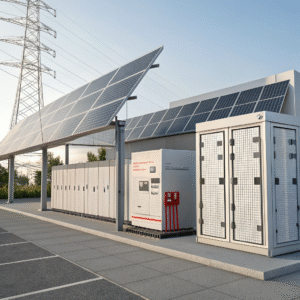
Excess solar energy can be stored in batteries for nighttime use (increasing self-sufficiency to 80%+) or sold back to the grid via net metering, creating an additional revenue stream while supporting grid stability.
Comparing Storage vs. Grid Export
-
Battery Storage Advantages
- Energy independence during outages
- Avoids peak-rate grid purchases after sunset
- Typical lithium-ion systems last 10-15 years
-
Net Metering Benefits
- Earn credits for surplus energy (rates vary by utility)
- No upfront battery investment required
- Ideal for regions with favorable feed-in tariffs
| Option | Upfront Cost | Long-Term Value | Best For... |
|---|---|---|---|
| Battery Storage | $$$ | High | Off-grid/backup needs |
| Grid Export | $ | Moderate | Urban areas with net metering |
- Hybrid Approach
- Smart inverters can dynamically allocate excess energy to batteries or grid based on real-time economics.
Long-Life System Design Delivers Savings for Many Years
Can a solar system really pay for itself and keep saving you money for decades?
Premium solar systems feature 25+ year panel warranties, corrosion-resistant mounting, and smart inverter technology—delivering consistent savings with <1% annual degradation, often outlasting their payback period 2-3x over.
Engineering for Longevity
-
Component Quality
- Tier-1 monocrystalline panels (90% output after 25 years)
- Aluminum/steel racking rated for local weather extremes
-
Future-Proofing
- Microinverters (vs string) minimize single-point failures
- Expandable battery storage capacity
-
Maintenance Insights
- Annual cleaning boosts output by 3-5%
- Monitoring apps alert to performance issues
| Investment Aspect | Year 1 | Year 10 | Year 25 |
|---|---|---|---|
| Cumulative Savings | $1,200 | $18,000 | $45,000 |
| System Value | 100% | 92% | 80% |
Conclusion
Customized solar systems slash bills today, create income opportunities, and deliver reliable savings for decades—making them the ultimate energy investment.