Deep Cycle Battery Buyer’s Guide: What You MUST Know Before You Bu
Struggling to choose the right deep cycle battery? You're not alone - many buyers regret their purchase after realizing they didn't understand key factors.
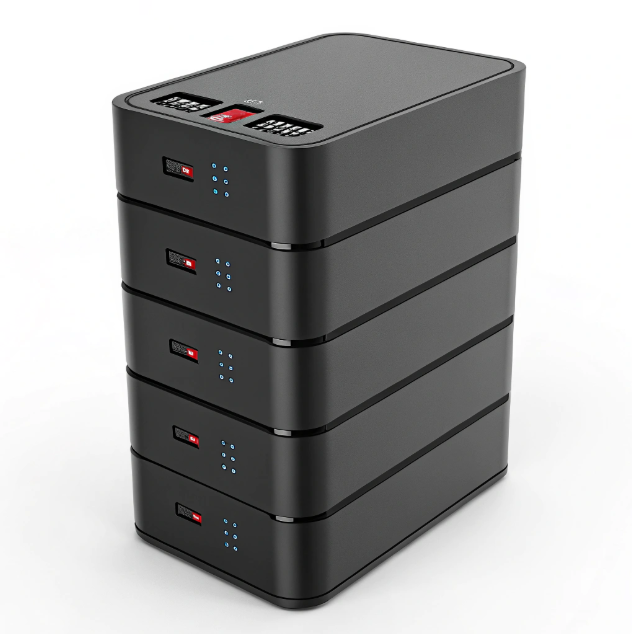
Deep cycle batteries1 are designed for sustained power delivery and frequent discharging, making them ideal for RVs, marine applications, solar systems, and off-grid power when selected based on capacity, type, and cycle life requirements.
Choosing the wrong deep cycle battery can cost you hundreds in premature replacements. Let's explore what really matters when selecting these power workhorses.
Invest Smarter, Power Longer: Why Deep Cycle Batteries Are Your Go-To for Reliable Energy
Ever wondered why your car battery dies after a few deep discharges while deep cycle batteries keep going?
Deep cycle batteries differ from starter batteries by using thicker plates and specialized chemistry to withstand hundreds of deep discharge cycles without damage, making them perfect for long-term energy storage applications.
Key Advantages of Deep Cycle Batteries
-
Deep Discharge Capability:
- Can be discharged to 50-80% regularly
- Starter batteries fail below 50% discharge
- Ideal for trolling motors, solar storage
-
- Quality models offer 500-1200+ cycles
- Proper maintenance extends lifespan
- Flooded vs AGM vs Lithium differences
-
Versatile Applications:
- Marine/RV house batteries
- Off-grid solar systems
- Golf carts and electric vehicles
| Battery Type | Typical Cycles | Depth of Discharge | Best For |
|---|---|---|---|
| Flooded Lead-Acid | 500-800 | 50% | Budget applications |
| AGM | 600-1000 | 60% | Marine/RV |
| Lithium | 2000-5000 | 80% | High-performance needs |
The Secret to Reliable Backup: Why Deep Cycle Batteries Are Critical for Emergency Power
What happens when the grid goes down and your regular batteries fail you?
Deep cycle batteries provide essential backup power during outages by storing large amounts of energy that can be discharged slowly over time, unlike starter batteries that deliver quick bursts of power but can't sustain long discharges.
Emergency Power Considerations
-
Capacity Planning:
- Calculate your watt-hour requirements
- Include surge capacity for startup loads
- Factor in days of autonomy needed
-
Maintenance Requirements:
- Flooded: Regular water top-ups
- AGM: Virtually maintenance-free
- Lithium: No maintenance needed
-
- Proper charge controllers prevent damage
- Solar charging compatibility
- Generator charging options
Lead-Acid vs. Lithium4: Choosing the Right Deep Cycle Battery for Your Needs (and Budget)
Is paying 3x more for lithium batteries really worth it?
Lithium deep cycle batteries offer superior performance with longer lifespans, faster charging, and lighter weight compared to lead-acid, but traditional flooded and AGM batteries remain cost-effective solutions for budget-conscious buyers with less demanding applications.
Detailed Battery Comparison
Lead-Acid Batteries (Flooded & AGM):
- Pros:
- Lower upfront cost ($100-$300)
- Proven technology
- Wide availability
- Cons:
- Shorter lifespan
- Heavy
- Maintenance (flooded)
Lithium Iron Phosphate (LiFePO4):
- Pros:
- 2000-5000 cycles
- 50-70% lighter
- Faster charging
- Cons:
- Higher initial cost ($500-$1500)
- Requires special chargers
- AGM for moderate budgets
- Lithium for high-use applications
- Flooded for stationary backup
Conclusion
Selecting the right deep cycle battery requires balancing performance needs with budget, with lithium offering premium features while lead-acid remains a cost-effective choice for many applications.
Explore the advantages of deep cycle batteries for reliable energy storage and long-term use. ↩
Learn tips and techniques to maximize the lifespan of your deep cycle batteries. ↩
Explore the most effective charging systems to ensure the longevity of your deep cycle batteries. ↩
Get insights into the pros and cons of lead-acid and lithium batteries for informed purchasing. ↩
Learn about hybrid battery options that combine the benefits of different battery types. ↩