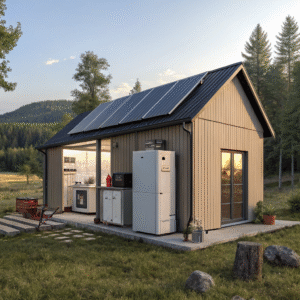
Demystifying Solar: Why Going Green with Home Solar Is Easier Than You Think?
Problem: High energy bills drain your budget. Agitation: Monthly costs keep rising, straining finances. Solution: Home solar offers affordable, accessible energy independence1 for every homeowner.
Home solar2 installation is easier than most think, requiring minimal upfront effort while delivering immediate savings through streamlined processes, financing options, and professional installation services that handle all technical complexities.
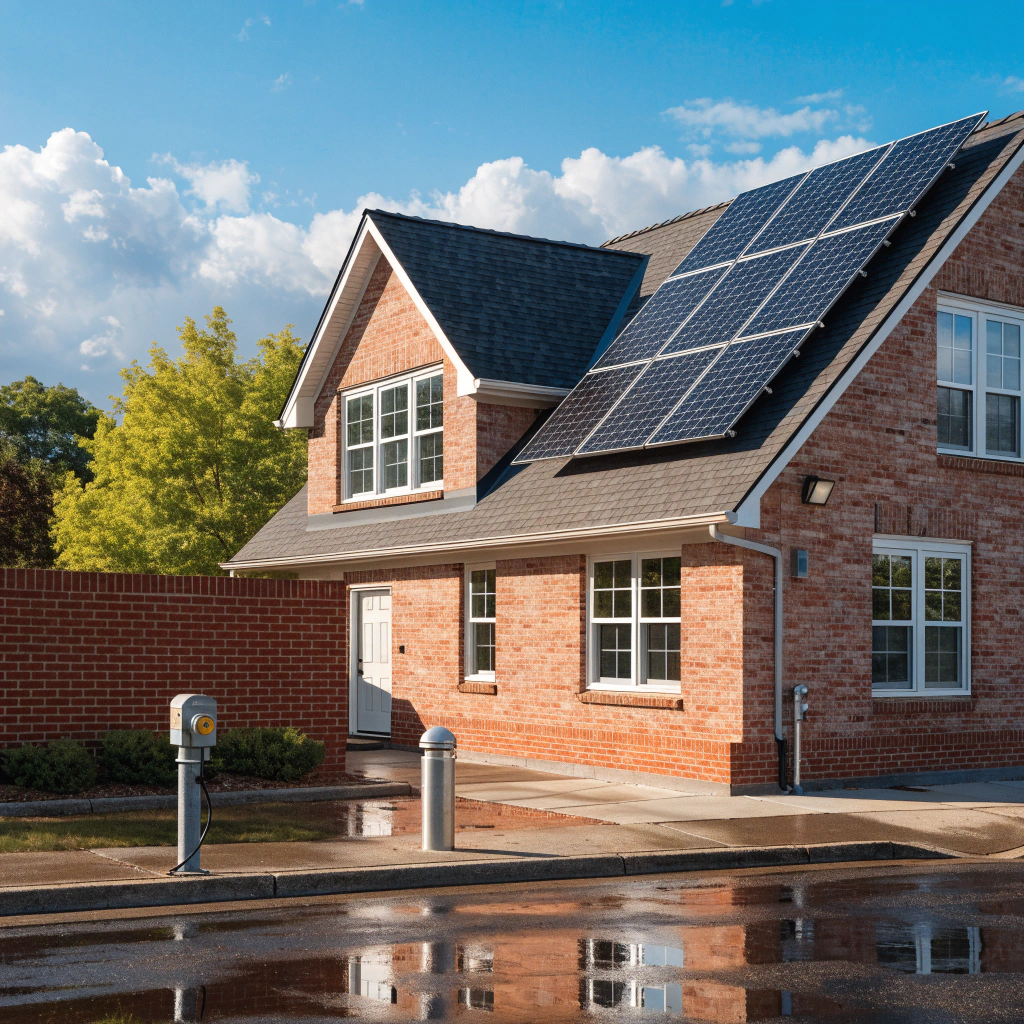
The beauty of solar lies in its simplicity—modern systems practically install themselves with professional guidance, transforming your home into an energy-generating powerhouse faster than you'd expect, making the green transition surprisingly straightforward.
Beyond the Bill: Unlocking Long-Term Financial Freedom with Residential Solar Power?
Solar bills shock homeowners monthly. Rising electricity costs create financial stress and uncertainty. Solar power transforms expenses into long-term savings and energy independence.
Residential solar systems generate substantial long-term savings by eliminating monthly electricity bills, providing 25+ year warranties, and increasing property values while offering predictable energy costs3 and potential income through net metering.
The Mathematics of Solar Savings
When I first calculated the numbers, I was amazed at how quickly solar pays for itself. The average homeowner saves between $20,000-$50,000 over 20 years, depending on location and energy usage. Federal tax credits currently offer 30% of installation costs back, making the initial investment even more attractive.
Net metering policies in most states allow you to sell excess energy back to the grid, essentially turning your roof into a revenue generator. During peak production hours, your system might produce more than you consume, creating credits that offset nighttime usage.
| Financial Benefit | Timeline | Average Savings |
|---|---|---|
| Monthly Bill Reduction | Immediate | $100-300/month |
| Tax Credits | Year 1 | 30% of system cost |
| Property Value Increase | Immediate | $15,000-20,000 |
| 25-Year Savings | Long-term | $25,000-60,000 |
The beauty of solar financing options means you can often start saving immediately, with monthly solar payments lower than current electricity bills.
Blackout-Proof Your Home: The Uninterrupted Comfort and Security of Residential Solar + Storage?
Power outages disrupt daily life unexpectedly. Essential appliances fail during emergencies, creating safety concerns. Solar battery systems provide reliable backup power and energy security.
Solar battery storage systems maintain power during outages by storing excess solar energy, ensuring critical appliances continue running while providing grid independence and enhanced home security during emergencies.
Energy Independence Through Smart Storage
I'll never forget the peace of mind I felt during our first major storm after installing solar with battery backup. While neighbors dealt with spoiled food and dead phones, our home remained a beacon of normalcy with lights, refrigeration, and internet connectivity intact.
Modern battery systems like Tesla Powerwall or Enphase provide 10-15 kWh of storage, enough to power essential loads for 8-24 hours depending on usage. Smart inverters automatically detect outages and seamlessly switch to battery power within milliseconds.
The strategic advantage extends beyond emergencies—time-of-use rates in many areas make stored solar energy more valuable during peak evening hours when electricity costs surge.
| Storage Capacity | Backup Duration | Essential Coverage |
|---|---|---|
| 10 kWh | 8-12 hours | Lights, fridge, phones |
| 15 kWh | 12-18 hours | Above + internet, security |
| 20+ kWh | 24+ hours | Nearly whole-home backup |
Battery technology continues advancing rapidly, with costs dropping 15-20% annually while capacity and efficiency improve significantly.
Join the Green Revolution: How Your Home Solar System Battles Climate Change One Ray at a Time?
Climate change threatens our planet's future. Individual actions feel insignificant against global challenges. Home solar systems create measurable environmental impact while inspiring community change.
Residential solar systems significantly reduce carbon footprints by generating clean electricity, eliminating 3-4 tons of CO2 annually per household while supporting renewable energy adoption4 and environmental sustainability5 nationwide.
Your Personal Environmental Impact
The environmental impact of home solar amazed me when I first calculated our carbon reduction. A typical 6kW residential system prevents approximately 100,000 pounds of CO2 over 20 years—equivalent to planting 2,500 trees or removing a car from roads for four years.
Solar panels contain no moving parts and require minimal maintenance, making them incredibly sustainable throughout their 25+ year lifespan. Modern panels are 95% recyclable, ensuring minimal environmental impact even at end-of-life.
The ripple effect extends beyond individual homes—neighborhood solar adoption creates community momentum, driving local policy changes and encouraging utility-scale renewable development.
| Environmental Benefit | Annual Impact | 20-Year Impact |
|---|---|---|
| CO2 Reduction | 3.8 tons | 76 tons |
| Tree Equivalent | 125 trees planted | 2,500 trees planted |
| Car Equivalent | 8,400 miles avoided | 168,000 miles avoided |
| Coal Avoided | 1.5 tons | 30 tons |
Supporting solar also strengthens American energy independence, reducing reliance on fossil fuel imports while creating domestic manufacturing and installation jobs.
Conclusion
Home solar simplifies energy independence through accessible technology, substantial savings, reliable backup power, and meaningful environmental impact for every homeowner.
Learn how solar energy can empower homeowners with energy independence and reduce reliance on the grid. ↩
Explore the advantages of home solar energy systems and how they can save you money and energy. ↩
Find out how solar energy can lower your energy costs and provide financial relief. ↩
Explore the significance of adopting renewable energy sources like solar for a sustainable future. ↩
Learn how solar energy contributes to environmental sustainability and a healthier planet. ↩