Design Freedom: How Back Contact Technology Transforms Solar Integration from Functional to Architectural?
Problem: Traditional solar panels compromise building aesthetics with visible grid lines. Agitation: Architects struggle between sustainability goals and design vision. Solution: Back contact technology1 delivers clean aesthetics without performance sacrifice.
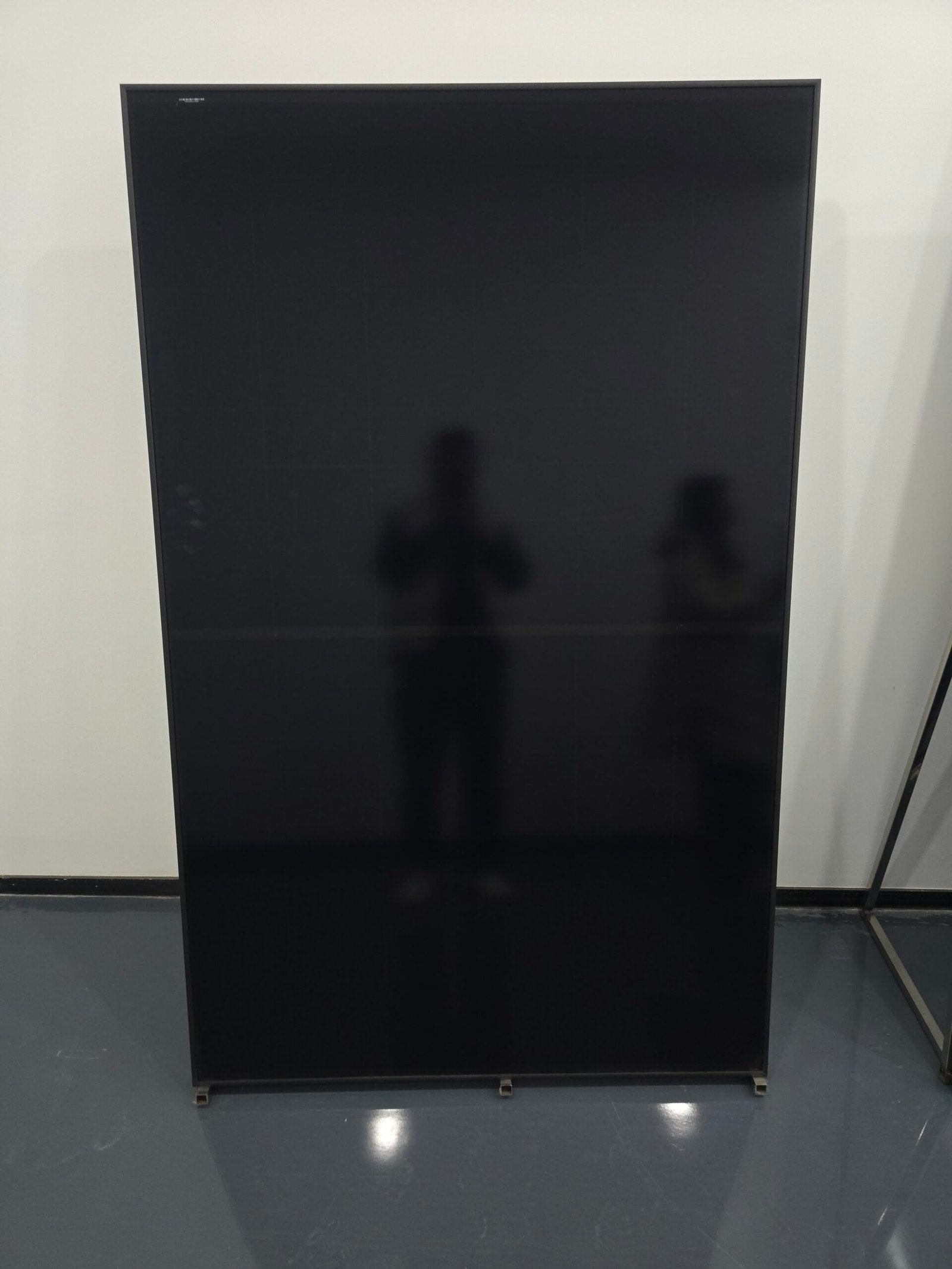
Back contact solar panels eliminate front-side electrical connections, creating seamless surfaces2 that integrate architecturally while maintaining high efficiency and power output for premium applications.
The evolution from functional to beautiful solar integration represents more than just technological advancement—it's a paradigm shift that's reshaping how we think about renewable energy in our built environment. Let me share why this matters more than you might initially think.
Unlock More Power in Less Space: The Efficiency Advantage of Back Contact Solar Panels for Urban & High-Value Applications?
Urban spaces demand maximum power density. Back contact technology answers this call with superior efficiency in constrained environments.
Back contact solar panels achieve higher efficiency rates by eliminating shading losses from front-side busbars, maximizing power generation in space-limited urban and premium installations.
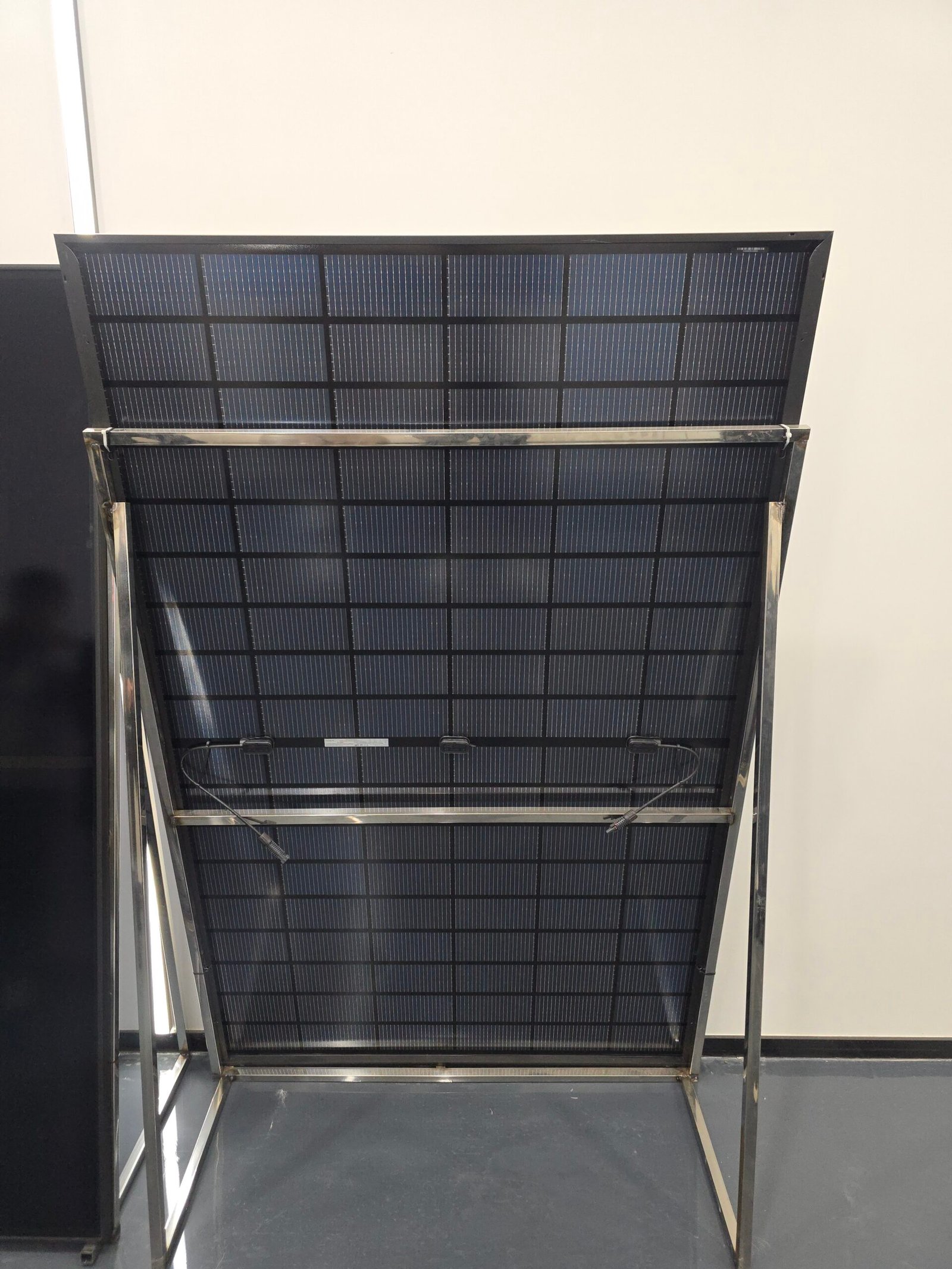
Understanding Efficiency Gains
The magic of back contact technology lies in its fundamental redesign. Unlike conventional panels where metal busbars create shadows across the cell surface, back contact panels move all electrical connections to the rear. This seemingly simple change delivers remarkable results—I've seen efficiency gains of 2-3% compared to traditional designs.
In urban environments where every square meter counts, this efficiency advantage translates to real value. A typical residential rooftop might generate an additional 200-300 kWh annually with back contact panels. For commercial buildings, these gains compound significantly.
| Application Type | Efficiency Gain | Annual Energy Increase |
|---|---|---|
| Residential | 2-3% | 200-300 kWh |
| Commercial | 2-3% | 2,000-5,000 kWh |
| High-rise | 2-3% | Variable by installation |
The technology particularly shines in premium applications where space constraints meet high energy demands. Think luxury residential developments, corporate headquarters, or iconic architectural projects where both performance and appearance matter equally.
The Future of Flexible Solar: Exploring the Potential of Back Contact Technology in Emerging BIPV and Specialty Applications?
Building-integrated photovoltaics3 need flexibility and aesthetics. Can back contact technology deliver both without compromising structural integrity?
Back contact technology enables flexible BIPV applications by simplifying cell structure, allowing integration into curved surfaces, transparent elements, and architectural features previously impossible with conventional panels.
Revolutionary Integration Possibilities
The architectural possibilities with back contact technology extend far beyond traditional rooftop installations. I've witnessed projects where these panels seamlessly integrate into building facades, creating energy-generating walls that maintain architectural integrity.
The technology's flexibility opens doors to applications I never imagined possible. Curved building surfaces, transparent solar windows, and even solar canopies become feasible when you eliminate front-side wiring constraints. The clean rear-contact design allows for innovative mounting solutions that architects previously couldn't consider.
Consider these emerging applications:
Specialty Integration Areas
| Application | Benefits | Design Flexibility |
|---|---|---|
| Facade Integration | Weather protection + energy | Custom sizes, colors |
| Solar Windows | Transparency + power generation | Variable opacity levels |
| Architectural Elements | Structural + functional | Complex geometries |
The future of BIPV lies in this seamless integration. When solar panels become indistinguishable from building materials, we've achieved true architectural solar integration. Back contact technology makes this vision reality by removing the visual barriers that have long separated solar function from architectural form.
A Cleaner Look, A Greener Future: How Back Contact Solar Contributes to Both Aesthetics and Environmental Goals?
Sustainability shouldn't require aesthetic compromise. How does back contact technology bridge the gap between environmental responsibility and architectural beauty?
Back contact solar panels enhance both sustainability and aesthetics by eliminating visible grid lines, enabling higher efficiency, and supporting longer lifespans through reduced thermal stress4 and improved reliability.
Aesthetic and Environmental Synergy
The environmental benefits of back contact technology extend beyond simple efficiency gains. The cleaner design reduces manufacturing complexity in some areas while improving long-term reliability. I've observed that these panels often experience less thermal stress due to more uniform heat distribution without front-side metallization.
From an aesthetic standpoint, the transformation is remarkable. The uniform, uninterrupted surface allows architects to treat solar panels as design elements rather than necessary compromises. This psychological shift is crucial—when solar looks good, adoption accelerates.
Long-term Environmental Impact
The environmental advantages compound over time. Higher efficiency means fewer panels needed for equivalent power generation, reducing material consumption and installation footprint. The improved aesthetics drive broader adoption, multiplying the collective environmental impact.
| Environmental Factor | Back Contact Advantage | Impact |
|---|---|---|
| Material Efficiency | Fewer panels needed | Reduced manufacturing |
| Aesthetic Acceptance | Higher adoption rates | Broader solar deployment |
| Longevity | Reduced thermal stress | Extended operational life |
The technology represents a convergence of environmental and aesthetic goals that was previously thought impossible. When solar panels enhance rather than compromise architectural vision, we accelerate the transition to sustainable building practices5.
Conclusion
Back contact technology transforms solar from functional necessity to architectural asset, delivering superior efficiency, design flexibility, and aesthetic integration for sustainable building futures.
Explore how back contact technology enhances solar panel efficiency and aesthetics, revolutionizing solar integration. ↩
Discover the benefits of seamless surfaces in solar panels for architectural integration and aesthetic appeal. ↩
Explore the concept of BIPV and how it integrates solar technology into building designs. ↩
Understand thermal stress in solar panels and how it affects their longevity and efficiency. ↩
Learn about sustainable building practices and how innovative solar technologies contribute to them. ↩