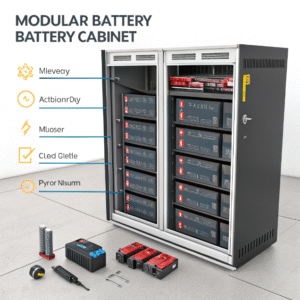
Easy Upgrades, Effortless Maintenance: The Long-Term Benefits of Modular Battery Design
Struggling with outdated, inflexible battery systems that drain your budget and time? Modular battery design1 solves these pain points by offering scalable, maintainable energy storage that adapts to your evolving needs.
Modular battery systems allow easy upgrades and replacements of individual components, reducing downtime and extending the lifespan of your energy storage solution2 while cutting long-term costs.
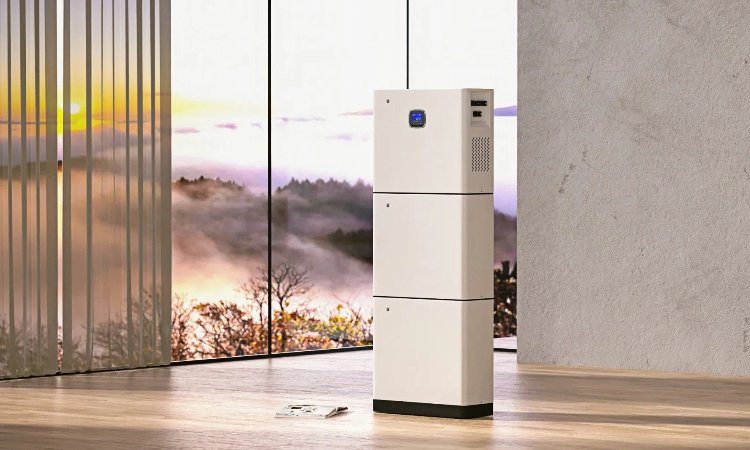
Transitioning from fixed to modular batteries isn’t just a trend—it’s a strategic shift that future-proofs your energy infrastructure. Let’s explore how this innovation unlocks efficiency and reliability.
Beyond Fixed Storage: Unlocking New Possibilities with Adaptable Modular Battery Technology
Tired of being locked into rigid battery systems that can’t keep up with your growing energy demands? Modular technology breaks these chains, offering unmatched flexibility.
Modular batteries enable scalable capacity adjustments3, allowing you to add or remove units as needed, ensuring optimal performance without overspending on unused storage.
Why Flexibility Matters in Energy Storage
Fixed battery systems often force businesses into one-size-fits-all solutions, leading to:
- Overcapacity (paying for storage you don’t need)
- Underperformance (straining outdated units)
Modular designs solve this with:
| Feature | Benefit |
|---|---|
| Scalability | Add/remove modules to match demand |
| Technology Agility | Upgrade to newer chemistries seamlessly |
| Cost Control | Pay only for what you use |
For example, a warehouse using modular batteries can expand storage during peak seasons and scale back afterward, avoiding fixed costs.
Redundancy Built-In: Enhancing Reliability and Uptime with Modular Battery Architecture
What happens when a single battery failure brings your entire system down? Modular designs eliminate this risk with built-in redundancy4.
Modular batteries isolate failures to individual units, maintaining system uptime while faulty modules are replaced or repaired, minimizing operational disruptions.
How Modular Redundancy Works
Traditional systems fail catastrophically when one component dies. Modular setups:
- Isolate issues – Only the affected module goes offline
- Auto-balance load – Remaining units compensate seamlessly
- Enable hot-swapping – Replace modules without shutdowns
A data center using this approach reported 99.99% uptime despite multiple module failures annually.
The LEGO of Energy: Building a Resilient and Responsive Power Solution, Piece by Piece
Imagine an energy system that grows and adapts as easily as stacking LEGO bricks. Modular batteries make this possible.
Modular systems combine standardized, interchangeable units that simplify maintenance, reduce replacement costs, and allow customized configurations for unique power needs.
The Building Blocks of Modular Success
Key advantages of this approach:
-
Standardized Components
- Uniform modules = easier inventory management
- Bulk purchasing discounts
-
Mix-and-Match Chemistries
- Combine lithium-ion for power + flow batteries for duration
-
Future-Proof Upgrades
- Swap older modules for newer tech without system overhauls
A solar farm using modular storage increased its capacity by 300% over 5 years—without replacing the entire system.
Conclusion
Modular battery design delivers long-term value through effortless upgrades, built-in redundancy4, and LEGO-like flexibility, making it the smart choice for adaptable energy storage.
Explore the advantages of modular battery design for scalable and maintainable energy solutions. ↩
Discover effective energy storage solutions that can adapt to your business needs. ↩
Learn how scalable capacity adjustments can optimize energy performance and reduce costs. ↩
Understand how built-in redundancy enhances reliability and minimizes downtime in energy systems. ↩