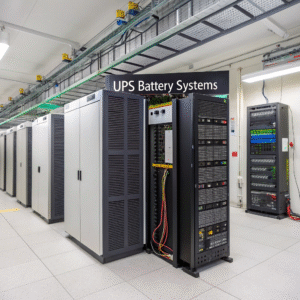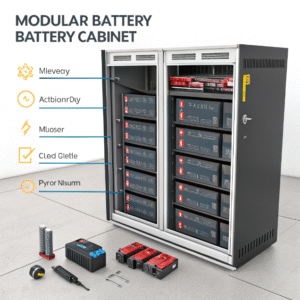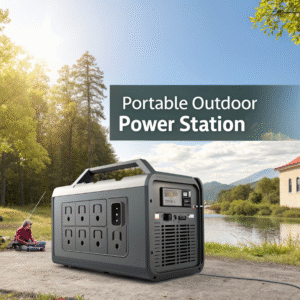
Energy Storage Batteries: A Revolutionary Solution for Future Power Management?
Tired of power outages and skyrocketing electricity bills? Energy storage batteries1 might be the game-changer you've been waiting for.
Energy storage batteries1 store excess electricity for later use, ensuring uninterrupted power supply, reducing reliance on the grid, and lowering energy costs while promoting sustainability.
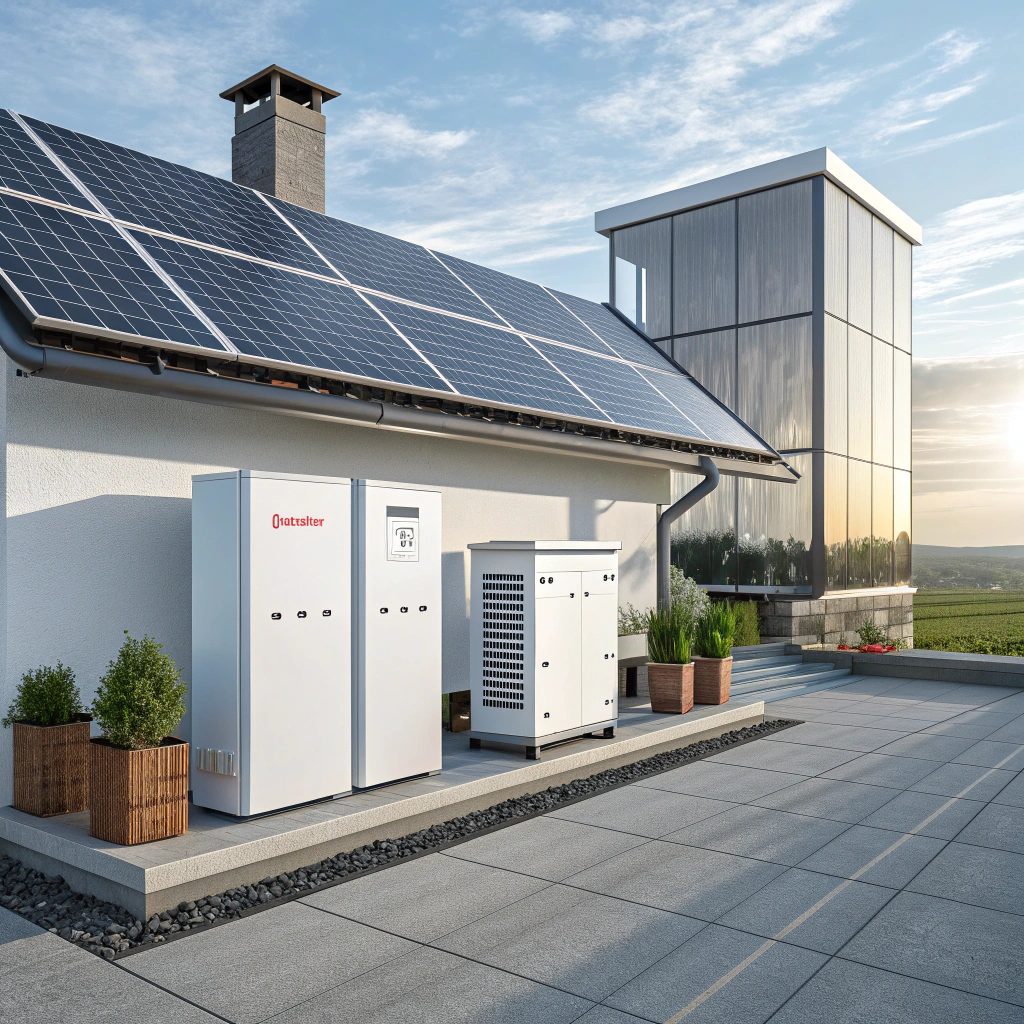
Imagine never worrying about blackouts again while slashing your energy bills. Let's explore how energy storage batteries can transform your power management.
Make Your Solar System Smarter: 24/7 Power Without Interruptions?
What if your solar panels2 could power your home even when the sun isn't shining?
Pairing solar panels2 with energy storage batteries ensures continuous power by storing excess solar energy for use during nighttime or cloudy days, maximizing your solar investment.
How Solar + Storage Works
- Energy Capture: Solar panels generate electricity during daylight.
- Storage: Excess energy charges the battery instead of being wasted.
- Usage: Stored energy powers your home when solar production drops.
| Benefit | Impact |
|---|---|
| Energy Independence | Reduce grid dependence by 50-90% |
| Cost Savings | Lower peak-demand charges |
| Backup Power | Seamless power during outages |
Lithium-ion batteries, like the Tesla Powerwall, dominate the market due to their high efficiency (90-95%) and long lifespan (10-15 years). Flow batteries are emerging for large-scale storage, offering unlimited cycle life.
Smart energy management systems optimize when to store, use, or sell back energy, adapting to weather forecasts and utility rates. For instance, during a storm warning, the system may prioritize battery charging to prepare for potential outages.
Energy Storage Makes Home Power Greener: Say Goodbye to High Bills?
Did you know your home could become a mini power plant while saving you money?
Energy storage reduces carbon footprints by enabling efficient renewable energy use and cutting electricity costs through peak shaving3 and time-of-use optimization[^4].
The Financial and Environmental Payoff
- Peak Shaving: Avoid expensive peak-hour rates by using stored energy.
- TOU Optimization: Charge batteries during off-peak low rates, use during high-rate periods.
- Grid Services: Some utilities pay for stored energy contributions to grid stability.
Case Study: A California homeowner reduced their annual bill by $1,200 by combining solar + storage with TOU rate arbitrage.
Batteries also enable "islanding"—keeping essential circuits running during outages. Modern systems can prioritize critical loads (e.g., refrigerators, medical devices) to extend backup duration.
Storage + Solar: Bringing You a Sustainable, Green Energy Future?
Ready to future-proof your home against rising energy costs and climate unpredictability?
Integrated solar-plus-storage systems are key to achieving energy resilience, reducing fossil fuel dependence, and meeting global net-zero targets through decentralized clean energy networks.
The Bigger Picture
- Microgrids: Communities with shared storage can operate independently during disasters.
- V2G Technology[^5]: Electric vehicles doubling as home batteries (e.g., Ford F-150 Lightning).
- Policy Drivers: Tax credits (e.g., U.S. IRA covers 30% of storage system costs) accelerating adoption.
Emerging technologies like solid-state batteries[^6] promise even higher safety and energy density, while AI-driven energy platforms are making systems smarter at predicting usage patterns.
Conclusion
Energy storage batteries1 unlock 24/7 clean power, slash bills, and bolster grid stability—ushering in a smarter, greener energy era.