Energy Storage Batteries — Enjoy Power Anytime, Anywhere
Tired of power outages disrupting your life? What if you could have reliable electricity whenever you need it?
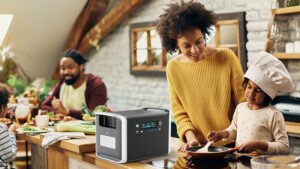
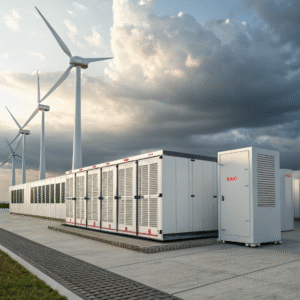
Energy storage batteries1 provide uninterrupted power by storing electricity from the grid or renewable sources, ensuring energy availability during outages and peak demand periods.
In today's energy-dependent world, having a consistent power supply isn't just convenient—it's essential. Let's explore how energy storage batteries can transform your access to electricity.
No More Power Cuts! Stay Powered Anytime with Energy Storage Batteries
Ever been in the middle of important work when the power suddenly goes out? Frustrating, isn't it?
Energy storage batteries1 prevent power interruptions by providing backup electricity2 during outages, keeping essential appliances and devices running smoothly for hours or even days.
How Energy Storage Works During Outages
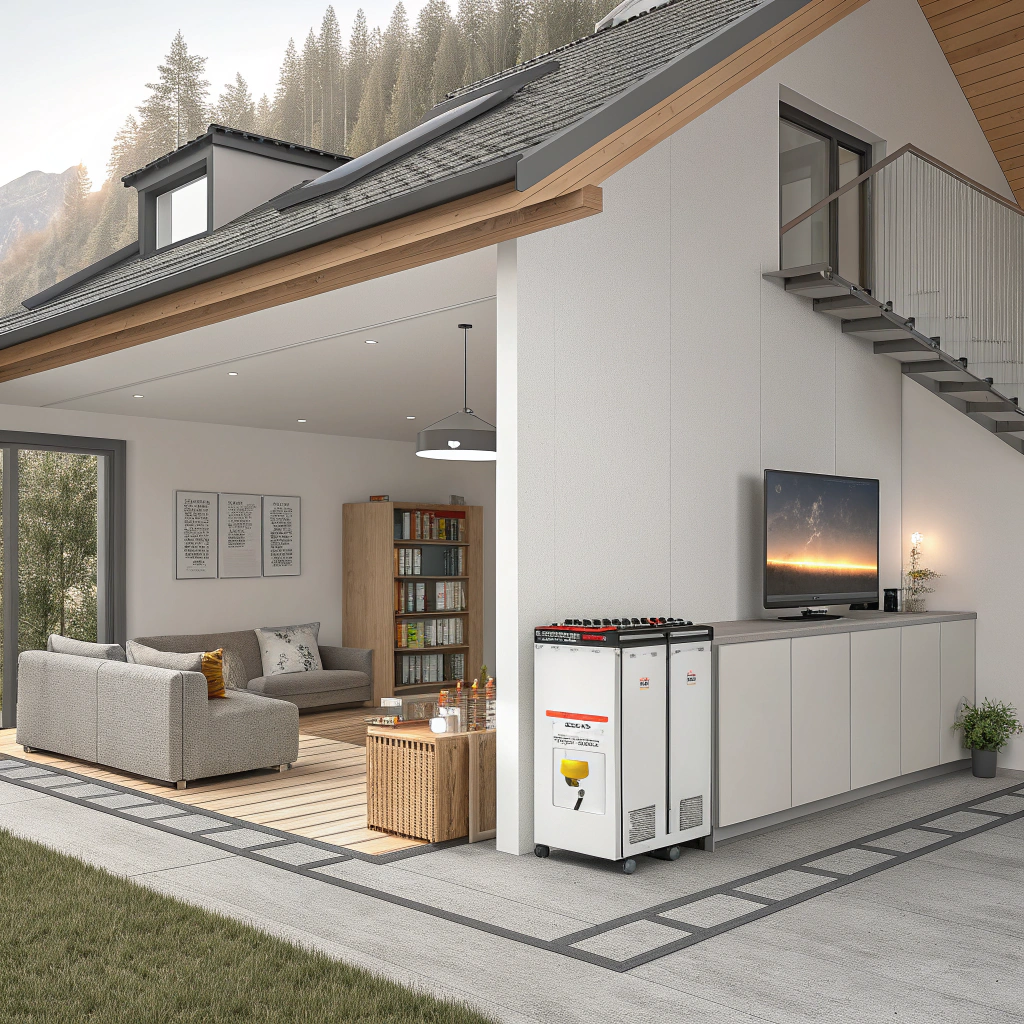
When the grid fails, your energy storage system automatically switches to battery power within milliseconds. I remember when my neighborhood had a prolonged blackout after a storm—while my neighbors were scrambling for flashlights, my home kept running normally thanks to our battery system.
Key components of an outage-ready system:
| Component | Function |
|---|---|
| Battery Bank | Stores electrical energy |
| Inverter | Converts DC to AC power |
| Transfer Switch | Automatically switches to battery power |
Sizing Your Backup System
Choosing the right battery capacity[^4] depends on your power needs:
- Basic backup (lights, fridge, phone charging): 10-15kWh
- Whole-home backup: 20-30kWh+
- For businesses: 50kWh+ systems
Learn more about sizing your system
Maintenance and Longevity
Modern lithium-ion batteries[^5] require minimal maintenance compared to old lead-acid systems. With proper care, they can last 10-15 years—that's thousands of potential outage hours covered!
Energy storage batteries1 provide instant backup during outages. True
Modern systems switch to battery power in milliseconds when the grid fails.
All battery systems require weekly maintenance. False
Lithium-ion systems need minimal maintenance, unlike older lead-acid batteries.
With Solar + Storage, You Can 'Grow' Your Own Power
What if you could produce and store your own clean energy, reducing reliance on the grid?
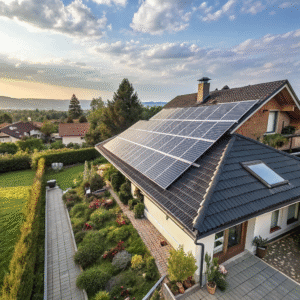
Solar-plus-storage systems[^6] allow homeowners to generate and store renewable energy, significantly lowering electricity bills while providing energy independence and environmental benefits.
Solar Plus Storage System
How Solar Storage Works
During sunny days, excess solar energy charges your batteries instead of being sent back to the grid. At night or during cloudy periods, you use this stored energy instead of buying electricity.
Benefits I've experienced:
- Reduced electricity bills by 80%
- Protection against rising energy costs
- Lower carbon footprint
Financial Considerations
While the initial investment can be significant, various incentives can help:
| Incentive | Potential Savings |
|---|---|
| Federal Tax Credit[^7] | 26-30% of system cost |
| State Rebates | Varies by location |
| Net Metering | Credit for excess generation |
Check available incentives in your area
System Types and Options
Different configurations suit different needs:
- AC-coupled (easier to add to existing solar)
- DC-coupled (more efficient for new installations)
- Hybrid inverters (combined solar and storage)
Solar-plus-storage can eliminate electricity bills completely. True
With proper sizing and favorable conditions, some homeowners achieve net-zero energy use.
Battery storage makes solar systems less efficient. False
Properly configured storage increases solar utilization and system efficiency.
Storage Batteries Keep Both Life and Work Running Smoothly
How much productivity and comfort do you lose to power interruptions each year?
Energy storage systems maintain continuity for both residential and commercial users, protecting against data loss, business interruptions, and home discomfort during power fluctuations.
Commercial Energy Storage
Residential Benefits
For homes, storage means:
- Uninterrupted WiFi and entertainment
- Refrigerated food safety
- Medical device reliability
- Home security system uptime
Commercial Applications
Businesses use storage for:
- Critical equipment protection
- Demand charge reduction
- Renewable energy integration
- Backup for sensitive electronics
Case study: A local bakery saved $12,000 annually by using storage to avoid peak demand charges.
Emerging Technologies
The storage landscape is evolving rapidly:
- Solid-state batteries (higher density, safer)
- Flow batteries (longer duration)
- Vehicle-to-grid (V2G) integration[^8]
Energy storage can reduce business operational costs. True
By managing demand charges and optimizing energy use, storage cuts expenses.
Home batteries are only useful during outages. False
Modern systems optimize energy use daily, not just during emergencies.
Conclusion
Energy storage batteries1 provide reliable power, energy independence, and cost savings, making them a smart investment for homes and businesses alike.