Energy Storage Battery: Dual Benefits of Energy Management and Cost Efficiency
Struggling with high energy bills and inefficient power usage? Energy storage batteries1 might be your solution.
Energy storage batteries1 optimize energy usage by storing excess power during low-demand periods and releasing it during peak times, reducing electricity costs while improving grid stability and energy efficiency.
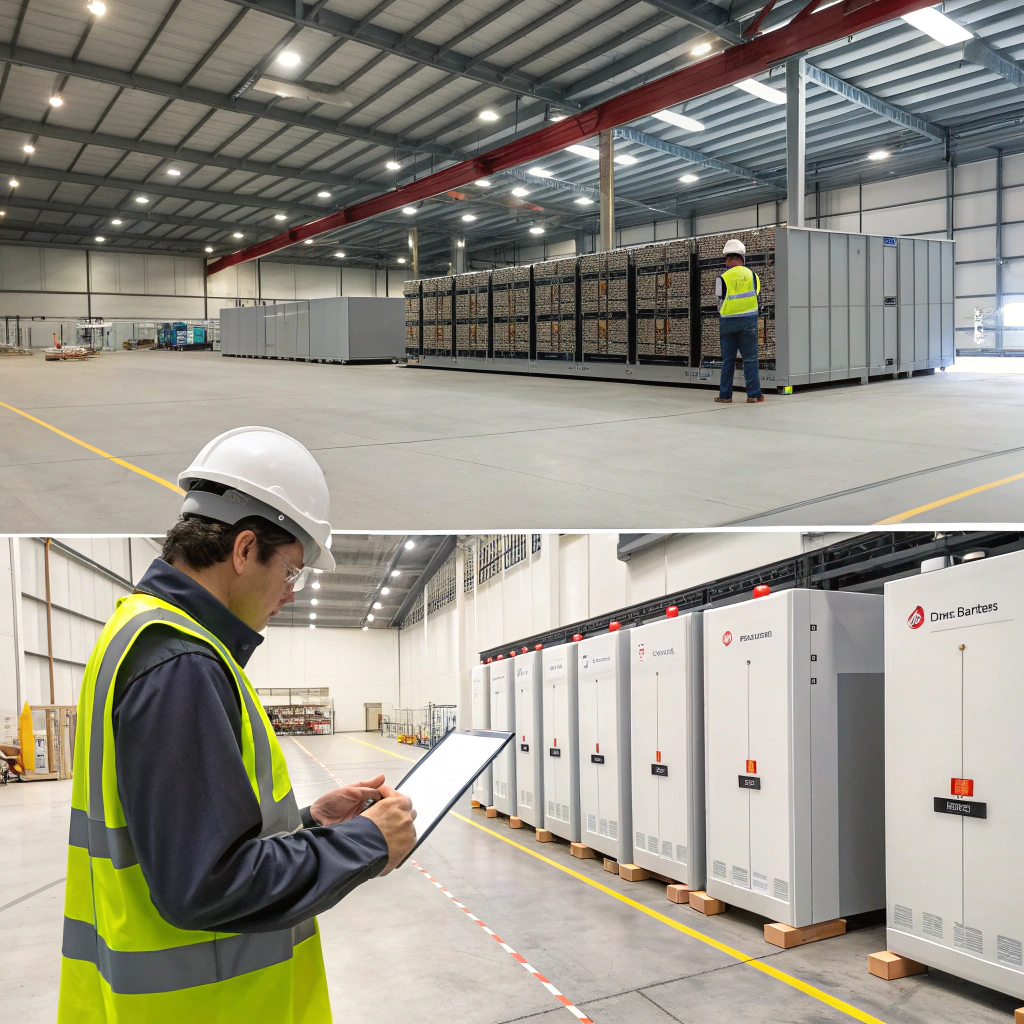
The transition to renewable energy sources and the need for cost-effective power solutions have made energy storage batteries increasingly vital. These systems not only help businesses and households manage their energy consumption more efficiently but also offer significant long-term financial benefits. Let's explore how they work and why they're worth the investment.
How Do Energy Storage Batteries Improve Energy Efficiency and Reduce Long-Term Operational Costs for Businesses?
Watching your energy bills skyrocket during peak hours? Energy storage batteries1 can help flatten those cost spikes.
Energy storage batteries1 reduce operational costs2 by storing cheap off-peak electricity for use during expensive peak periods, while also providing backup power and reducing demand charges from utilities.
Understanding Peak Shaving3 and Load Shifting
Energy storage systems excel at:
- Peak shaving: Reducing power draw from the grid during high-rate periods
- Load shifting[^4]: Using stored energy when electricity prices are highest
| Strategy | Benefit | Cost Savings Potential |
|---|---|---|
| Peak Shaving3 | Lowers demand charges | 10-30% on utility bills |
| Load Shifting | Uses off-peak cheap power | 20-40% energy cost reduction |
Backup Power and Grid Services
Beyond direct cost savings, these systems:
- Provide uninterrupted power during outages
- Participate in grid stabilization programs[^5] (frequency regulation, voltage support)
- Qualify for utility incentives and renewable energy credits
The combination of these benefits typically delivers ROI within 3-7 years, with systems lasting 10-15 years.
Cost and Benefit Analysis of Investing in Energy Storage Batteries: How to Achieve Quick Payback?
Tired of waiting decades to see returns on energy investments? Modern storage systems can pay for themselves surprisingly fast.
A well-designed energy storage system typically achieves payback in 4-6 years through electricity bill savings, demand charge reductions, and participation in grid services programs, with lifetimes exceeding 10 years.
Breaking Down the Financials
Key factors affecting ROI:
-
Electricity Rate Structure
- Time-of-use rates vs. flat rates
- Demand charge percentages
-
System Costs
- Lithium-ion batteries: \$300-\$500/kWh
- Installation: 20-30% of equipment cost
-
Revenue Streams
- Direct bill savings (60-80% of value)
- Grid services income (10-30%)
- Tax incentives (ITC covers 26-30%)
Case Study: Commercial Application
A 500kW/1MWh system for a medium business:
- Upfront cost: \$450,000
- Annual savings: \$90,000
- Simple payback: 5 years
- 10-year net savings: \$450,000
How Can Smart Energy Management Systems Further Improve the ROI of Energy Storage Batteries?
What if your battery system could make decisions smarter than your best energy manager?
Smart energy management systems[^6] boost storage ROI by 15-25% through AI-driven optimization, predictive analytics[^7], and automated participation in multiple value streams like demand response and wholesale markets.
The Intelligence Advantage
Modern EMS platforms provide:
1. Predictive Energy Optimization
- Weather forecasting integration
- Load pattern recognition
- Price signal anticipation
2. Multi-Market Participation
- Simultaneous value stacking:
- Retail bill management
- Wholesale market arbitrage
- Grid services (frequency regulation)
3. Adaptive Learning Systems
- Continuous performance improvement
- Anomaly detection and preventive maintenance
Implementation Roadmap
For maximum ROI:
- Conduct detailed energy audit
- Right-size storage capacity
- Select compatible EMS software
- Secure all available incentives
- Establish performance monitoring
Conclusion
Energy storage batteries1 deliver dual wins - slashing energy costs while boosting efficiency - with payback periods under 6 years and smart systems amplifying returns.