Energy Storage Battery Modularity: A Tool for Increased Efficiency and Scalability
Struggling with inflexible energy storage1 solutions that can't adapt to your growing needs? Modular batteries2 might be the game-changer you've been waiting for.
Modular energy storage1 batteries allow systems to scale efficiently by adding or removing units as needed, optimizing performance and cost-effectiveness3 for both residential and commercial applications[^4].
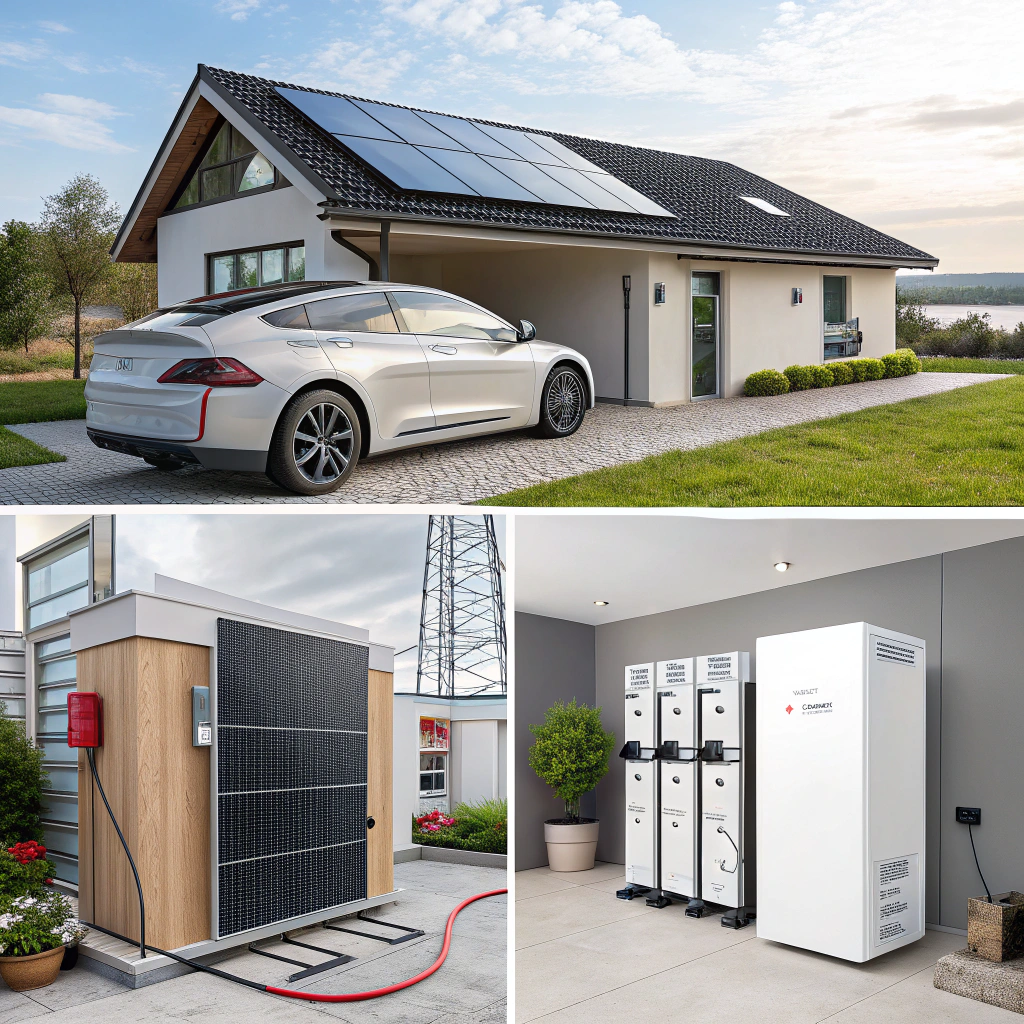
The energy storage1 landscape is rapidly evolving, and modular battery systems are at the forefront of this transformation. Unlike traditional monolithic systems, modular designs offer unparalleled flexibility, making them ideal for a wide range of applications. Let’s dive deeper into how this technology is reshaping energy storage1.
How Does Modular Energy Storage Battery Design Adapt to Different Scales of Demand?
Ever faced the frustration of an energy storage1 system that’s either too small or unnecessarily large for your needs? Modular designs solve this problem elegantly.
Modular energy storage1 batteries adapt to varying demand by allowing users to add or remove battery units, ensuring optimal capacity and performance without over-investment in unused storage.
The Flexibility of Modular Systems
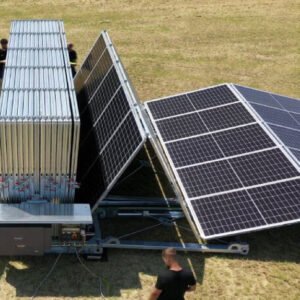
Modular battery systems are like building blocks—you start with what you need and expand as your requirements grow. This scalability[^5] is particularly valuable for:
- Residential users who may start with a small system and expand as their energy needs increase (e.g., adding solar panels or electric vehicles).
- Commercial and industrial applications where energy demand can fluctuate significantly.
Key Benefits:
| Feature | Advantage |
|---|---|
| Scalability | Add or remove modules to match exact energy needs. |
| Cost Efficiency | Pay for only what you use, avoiding oversized systems. |
| Future-Proofing | Easily integrate new technologies or increased capacity as needed. |
Case Study: Residential Solar Storage
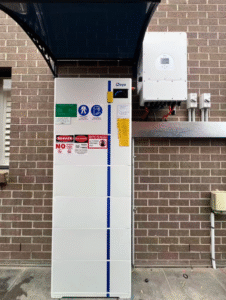
A homeowner installs a 5 kWh modular battery alongside their solar panels. Later, they buy an EV and add another 5 kWh module to handle the increased load—no need to replace the entire system.
Modular systems reduce upfront costs. True
By starting small and expanding, users avoid over-investing in unused capacity.
Modular batteries2 are harder to maintain than traditional systems. False
Modular designs often simplify maintenance by isolating issues to individual units.
The Advantages of Modular Energy Storage Batteries in Commercial and Residential Applications
Tired of one-size-fits-all energy solutions that don’t fit your unique needs? Modular batteries2 offer tailored performance for every scenario.
Modular energy storage1 batteries provide customized solutions for both commercial and residential users, enhancing efficiency, reducing costs, and improving reliability through scalable and adaptable designs.
Residential Applications
For homeowners, modular systems mean:
- Flexibility: Start small and expand as energy needs grow (e.g., adding more panels or EVs).
- Cost Savings: Avoid overpaying for unused capacity.
- Ease of Upgrades: Swap out older modules for newer tech without replacing the entire system.
Commercial Applications
Businesses benefit from:
- Load Management: Scale storage to match peak demand periods.
- Redundancy: If one module fails, others keep the system running.
- Energy Arbitrage: Store cheap energy during off-peak hours and use it during high-rate periods.
Comparison: Modular vs. Traditional Batteries
| Aspect | Modular Systems | Traditional Systems |
|---|---|---|
| Scalability | High (add/remove modules) | Low (fixed capacity) |
| Maintenance | Easier (isolate faulty modules) | Complex (entire system affected) |
| Cost Over Time | Lower (pay-as-you-grow) | Higher (upfront overcapacity) |
Real-World Example: A retail store uses modular batteries to handle daily energy fluctuations, reducing grid reliance during peak hours and cutting electricity bills by 20%.
Modular systems are only useful for large-scale commercial applications[^4]. False
They’re equally valuable for residential users seeking flexibility and cost savings.
Modular batteries2 improve energy reliability. True
Redundancy in modular designs ensures continuous power even if one unit fails.
How Do Modular Energy Storage Systems Enable Faster Installation and Maintenance?
Frustrated by lengthy installations and costly downtime during repairs? Modular systems slash setup and maintenance time dramatically.
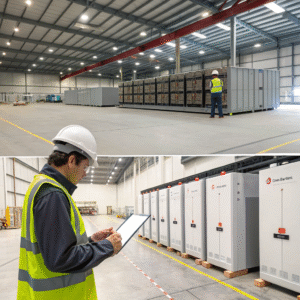
Modular energy storage1 systems enable faster installation and maintenance by using pre-configured, plug-and-play units that can be added or replaced without shutting down the entire system.
Plug-and-Play Installation
- Pre-Assembled Modules: Arrive ready to install, reducing on-site labor.
- Simplified Wiring: Standardized connections cut setup time by up to 50%.
Streamlined Maintenance
- Isolated Repairs: Faulty modules can be swapped out without disrupting the whole system.
- Remote Monitoring: Many systems include diagnostics to predict issues before they cause downtime.
Time Savings Breakdown
| Task | Modular System Time | Traditional System Time |
|---|---|---|
| Installation | 1–2 days | 1–2 weeks |
| Module Replacement | <1 hour | Several hours/days |
Example: A warehouse installs a modular system in two days, whereas a traditional system would take two weeks, minimizing operational disruption.
Modular systems require specialized tools for installation. False
Their standardized designs often use common components for easy handling.
Modular batteries2 reduce maintenance downtime. True
Swapping individual modules is faster than repairing monolithic systems.
Conclusion
Modular energy storage1 batteries revolutionize scalability[^5], cost-efficiency, and maintenance, making them ideal for both residential and commercial energy needs.
Learn about the latest advancements in energy storage and how they can benefit your energy management. ↩
Explore how modular batteries can transform your energy storage solutions with flexibility and efficiency. ↩
Discover the cost-saving advantages of modular energy storage systems for both residential and commercial use. ↩