Energy Storage Battery Technology Innovation
Struggling with inefficient energy storage? Discover how cutting-edge battery innovations are revolutionizing system performance and reliability.
Energy storage battery technology enhances efficiency and stability through advanced materials, smart management systems, and innovative designs, ensuring reliable power supply and grid integration.
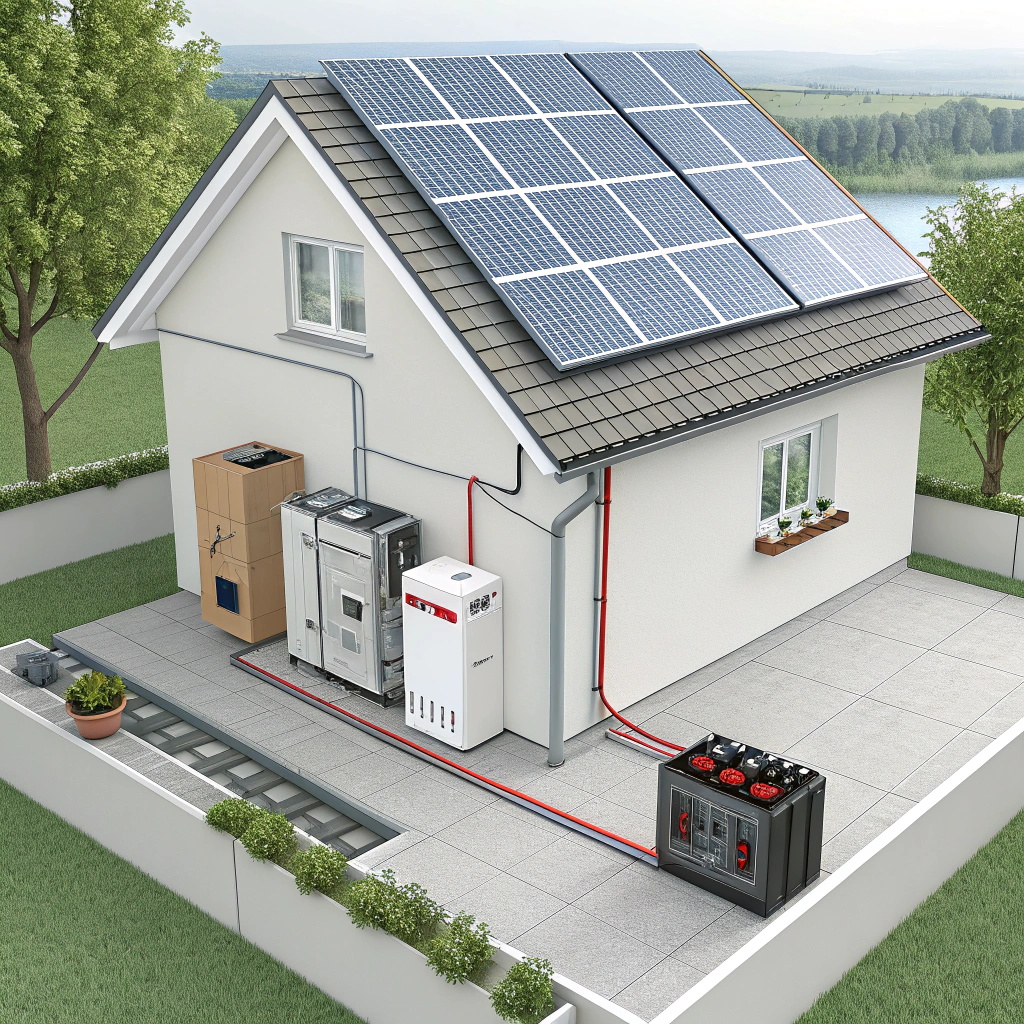
From lithium-ion breakthroughs to solid-state advancements, the energy storage sector is undergoing a radical transformation. Let’s explore how these innovations address critical challenges in renewable energy integration and grid stability.
Technological Breakthroughs in Energy Storage Batteries: How Do They Improve System Efficiency and Stability?
Frustrated by energy storage inefficiencies? New battery technologies are solving these pain points with groundbreaking solutions.
Recent breakthroughs in energy storage batteries, such as solid-state designs1 and advanced lithium-ion chemistries2, significantly boost efficiency (up to 95%) and system stability through superior thermal management and longer cycle life.
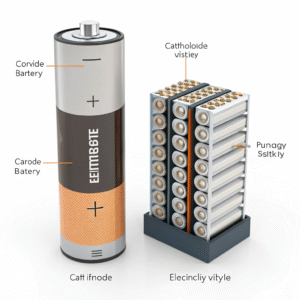
Solid-State Battery Prototype
Core Advancements Driving Performance
Three key technological areas are transforming energy storage batteries:
-
Material Innovations
- Silicon-anode lithium-ion batteries (40% higher capacity)
- Sulfur-based cathodes for reduced costs
- Solid electrolytes eliminating thermal runaway risks
-
Smart Battery Management Systems
- AI-powered state-of-charge monitoring3
- Predictive maintenance algorithms
- Dynamic cell balancing technology
-
Structural Design Improvements
- Modular scalable architectures
- Passive cooling systems
- Hybrid capacitor-battery configurations
| Technology | Efficiency Gain | Cycle Life Improvement |
|---|---|---|
| Solid-State | +15% | 3x longer |
| Silicon-Anode | +25% | 2x longer |
| AI BMS | +5% | 1.5x longer |
These innovations collectively address the critical challenges of:
- Energy density limitations
- Charge/discharge degradation
- Safety concerns
- Temperature sensitivity
The integration of machine learning in BMS has been particularly transformative, enabling real-time performance optimization that adapts to usage patterns and environmental conditions.
Solid-state batteries offer higher energy density than traditional lithium-ion. True
Solid-state designs eliminate liquid electrolytes, enabling safer, denser energy storage.
All battery innovations increase system costs. False
Many advancements like sulfur cathodes actually reduce material costs while improving performance.
How Does the Fast Charge and Discharge Capability of Energy Storage Batteries Impact Market Competitiveness?
Waiting hours for battery charging? Ultra-fast charge technologies are rewriting the rules of energy storage.
Fast charge/discharge capabilities (some achieving 80% charge in <15 minutes) make energy storage batteries more versatile for grid services, EV charging, and industrial applications, creating significant market advantages.
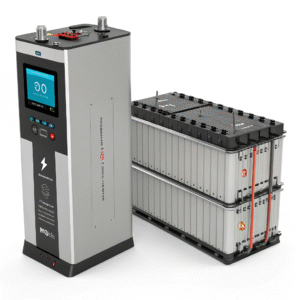
Ultra-Fast Charging Station
Market Implications of Rapid Cycling
The ability to quickly absorb and release energy transforms battery applications across sectors:
Grid Services:
- 4x more frequency regulation cycles daily
- 60% better utilization of renewable energy spikes
- Enables new revenue streams through ancillary services
Transportation:
- Enables highway-capable EV charging stations
- Reduces fleet downtime by 75%
- Supports higher vehicle utilization rates
Industrial Applications:
- Powers heavy machinery without performance dips
- Enables burst-mode manufacturing processes
- Reduces backup generator requirements
Critical enabling technologies include:
- Graphene-enhanced electrodes
- Supercapacitor hybrid systems
- Advanced thermal dissipation
- Ultra-low resistance cell design
The economic benefits are substantial. A DOE study showed fast-charge batteries can increase grid storage ROI by 40% through enhanced service capabilities.
Fast-charge batteries degrade faster than conventional designs. False
New electrode materials and thermal management actually extend cycle life despite rapid cycling.
All fast-charge technologies require special infrastructure. True
Most ultra-fast systems need upgraded cooling and power delivery systems.
Safety and Longevity Technologies in Energy Storage Batteries: Innovations Driven by Market Demand
Tired of battery safety scares? Next-gen solutions are making energy storage safer than ever.
Advanced safety features like ceramic separators[^4], flame-retardant electrolytes, and fail-safe BMS designs[^5] coupled with longevity technologies (90% capacity after 10,000 cycles) are addressing critical market demands for reliable energy storage.

Battery Safety Testing
Comprehensive Safety and Durability Solutions
Safety Innovations:
-
Material-Level Protections
- Ceramic-coated separators (withstands 300°C)
- Self-healing polymer electrolytes
- Pressure-activated current interrupters
-
System-Level Protections
- Multi-layer fault detection
- Isolated thermal runaway channels
- Fire suppression integration
Longevity Enhancements:
- Atomic layer deposition coatings
- Stress-optimized electrode architectures
- Electrolyte stabilization additives
Implementation examples:
| Technology | Safety Improvement | Life Extension |
|---|---|---|
| Ceramic Separators | 10x thermal tolerance | +30% cycles |
| ALD Coatings | Prevents dendrites | +50% cycles |
| Smart BMS | Early fault detection | +20% cycles |
These technologies respond directly to market needs identified in industry surveys, where safety and lifespan ranked as top purchase decision factors.
All safety technologies reduce battery energy density. False
Many solutions like ceramic separators[^4] maintain density while improving safety.
Battery lifespan depends solely on chemistry. False
System design and BMS play equally important roles in longevity.
Conclusion
Energy storage battery innovations are delivering unprecedented efficiency, speed, safety and longevity - transforming renewable energy integration and electrification across industries.