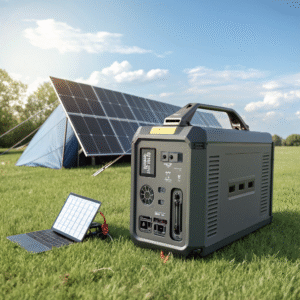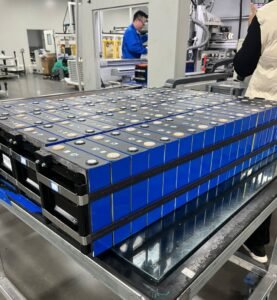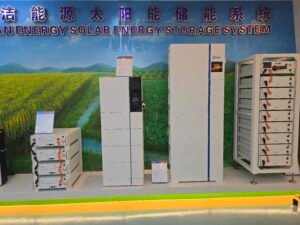
From Grid Blackout to Bright Future: Why Home Battery Systems Are Becoming Essential?
Problem: Power outages leave families vulnerable. Agitation: Traditional grids fail during storms. Solution: Home battery systems1 provide reliable backup power and energy independence.
Home battery systems are essential because they provide backup power2 during outages, reduce electricity costs through peak shaving, and enable energy independence with solar integration.
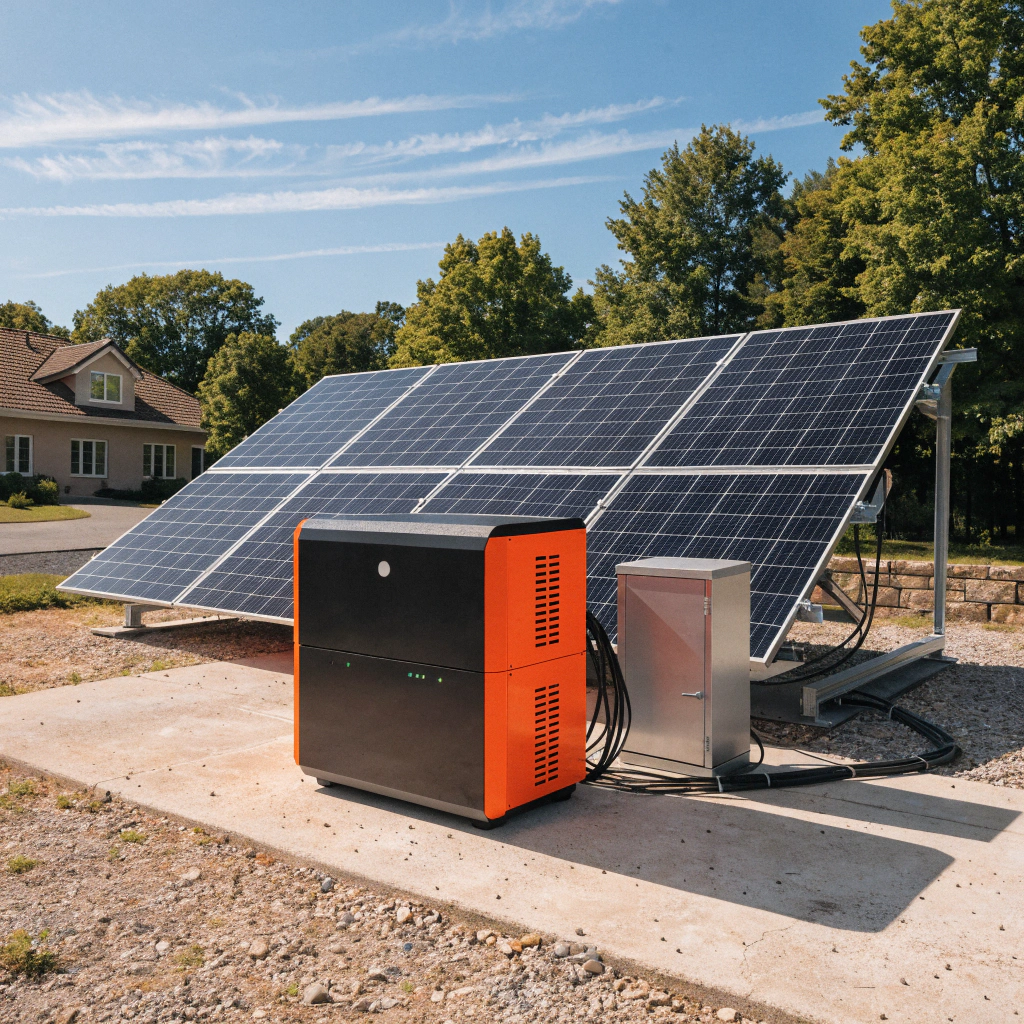
The energy landscape is transforming rapidly, and homeowners are discovering that battery systems aren't just luxury items—they're becoming necessities. As extreme weather events increase and grid reliability faces new challenges, the question isn't whether you need a home battery system, but which one fits your needs best.
Balancing the Grid: How Massive Battery Farms Are Revolutionizing Our Power Infrastructure?
Problem: Grid instability threatens reliable power. Agitation: Renewable energy creates supply fluctuations. Solution: Battery farms stabilize the grid efficiently.**
Massive battery farms revolutionize power infrastructure by storing excess renewable energy during peak generation and releasing it during high demand, creating grid stability3 and reducing reliance on fossil fuel peaker plants.
The Technical Marvel Behind Grid-Scale Storage
You know, when I first learned about grid-scale battery farms, it was like discovering a massive warehouse that could store electricity for an entire city. These facilities aren't just bigger versions of home batteries—they're sophisticated systems that respond to grid fluctuations in milliseconds.
The beauty lies in their ability to provide multiple services simultaneously. During the day when solar panels flood the grid with power, these battery farms absorb the excess like giant sponges. Then, when evening arrives and demand peaks while solar output drops, they discharge that stored energy back into the system.
| Grid Service | Function | Benefit |
|---|---|---|
| Peak Shaving | Store energy during low demand | Reduces need for expensive peaker plants |
| Frequency Regulation | Maintain 60Hz grid frequency | Prevents blackouts and equipment damage |
| Load Balancing | Match supply with demand | Integrates more renewable energy |
The economic impact is staggering. Traditional natural gas peaker plants might run only a few hours per year but cost millions to maintain. Battery farms can provide the same service more efficiently while supporting renewable integration. It's like having a Swiss Army knife instead of a toolbox full of single-purpose tools.
What fascinates me most is how these systems learn and adapt. Modern battery management systems use AI to predict demand patterns, weather conditions, and optimal charging cycles. This intelligence transforms what was once a simple storage device into a dynamic grid participant that actively improves system reliability.
More Than Just Power: How Energy Storage Boosts Efficiency, Reliability, and Sustainability?
Problem: Energy waste and inefficiency plague modern grids. Agitation: Power plants run inefficiently during low demand. Solution: Storage systems optimize energy use.**
Energy storage boosts efficiency by capturing waste energy, improves reliability through instant backup power, and enhances sustainability by enabling higher renewable energy integration and reducing fossil fuel dependency.
The Triple Crown of Energy Benefits
I've witnessed firsthand how energy storage4 creates a virtuous cycle of improvements across three critical areas. It's remarkable how one technology can simultaneously tackle efficiency, reliability, and sustainability challenges.
Efficiency gains come from time-shifting energy consumption. Imagine being able to buy electricity when it's cheapest—during off-peak hours—and use it when rates are highest. Home battery systems do exactly this through intelligent charging schedules that can cut electricity bills by 30-50%. The system learns your usage patterns and automatically optimizes when to charge and discharge.
Reliability improvements extend beyond simple backup power. Modern battery systems provide seamless transitions during outages, often switching faster than your lights can flicker. I remember visiting a home with a Tesla Powerwall during a neighborhood blackout—the family didn't even realize the power had gone out until they noticed their neighbors' houses were dark.
| Benefit Category | Impact | Example |
|---|---|---|
| Efficiency | 30-50% bill reduction | Time-of-use optimization |
| Reliability | <10ms switchover | Uninterrupted power supply |
| Sustainability | 70% renewable integration | Solar + storage systems |
Sustainability benefits emerge from enabling higher renewable energy penetration. Without storage, excess solar and wind energy gets wasted when production exceeds demand. Battery systems capture this clean energy, making renewable installations more economically viable and reducing grid dependence on fossil fuels.
The compound effects are extraordinary. A neighborhood with widespread battery adoption can actually strengthen the local grid, reduce peak demand charges for everyone, and create community resilience during emergencies. It's like individual households becoming part of a distributed power plant.
Powering a Carbon-Free Tomorrow: The Unstoppable Rise of Long-Duration Energy Storage?
Problem: Renewable energy intermittency limits clean power adoption. Agitation: Solar and wind can't provide 24/7 power. Solution: Long-duration storage enables full renewable grids.**
Long-duration energy storage systems can store renewable energy for hours or days, enabling grids to operate entirely on clean power by bridging the gaps when solar and wind aren't generating electricity.
Beyond Lithium: The Future of Extended Storage
The next frontier in energy storage goes far beyond the lithium-ion batteries we know today. Long-duration energy storage (LDES) technologies are emerging that can store power for 10+ hours, fundamentally changing how we think about renewable energy reliability.
I've been following developments in compressed air energy storage, where excess electricity compresses air in underground caverns, then releases it through turbines when power is needed. It sounds like science fiction, but facilities are already operating worldwide. Flow batteries represent another fascinating approach—they store energy in liquid electrolytes that can be scaled independently for power and duration.
Iron-air batteries particularly excite me because they use abundant, low-cost materials and can store energy for days at a fraction of lithium-ion costs. Companies like Form Energy are deploying systems that cost under $20/kWh for storage duration, compared to $150/kWh for traditional lithium systems.
The implications are transformative. With long-duration storage, a fully renewable grid becomes not just possible but economically superior. Imagine wind farms in Texas storing power for days, then sending it to California during heat waves. Or seasonal storage systems that capture summer solar energy for winter heating.
| Technology | Duration | Cost | Best Application |
|---|---|---|---|
| Lithium-ion | 2-4 hours | $150/kWh | Daily cycling |
| Iron-air | 100+ hours | $20/kWh | Seasonal storage |
| Compressed air | 8-24 hours | $50/kWh | Grid balancing |
The carbon reduction potential is staggering. Studies suggest that LDES could enable 90% renewable electricity grids by 2035, eliminating the need for fossil fuel backup plants. This isn't just about environmental benefits—it's about energy security, price stability, and technological leadership in the clean energy economy.
What truly amazes me is how these technologies are creating new business models. Virtual power plants aggregate thousands of home batteries into grid-scale resources. Energy trading platforms let homeowners sell stored power back to utilities during peak demand. We're moving toward a future where every building becomes both an energy consumer and producer.
Conclusion
Battery systems are transforming from backup power solutions into essential infrastructure that enables renewable energy adoption5, grid stability, and energy independence.
Explore how home battery systems can provide backup power and reduce electricity costs, making them essential for modern homes. ↩
Learn about the importance of backup power during outages and how battery systems ensure reliability. ↩
Understand how battery farms help stabilize the grid and support renewable energy sources. ↩
Explore the advantages of energy storage in improving efficiency, reliability, and sustainability. ↩
Explore the barriers to renewable energy adoption and how battery systems can help overcome them. ↩