From Grid Stability to Peak Shaving: Key Benefits of Industrial Battery Storage Explained
Ever wondered how industrial battery storage is revolutionizing power management? With rising energy costs and grid instability, businesses are turning to battery storage solutions for reliability and savings.
Industrial battery storage1 enhances grid stability, reduces energy costs through peak shaving, and provides backup power during outages, making it a versatile solution for modern energy challenges.
As industries face increasing pressure to optimize energy use and reduce costs, battery storage emerges as a game-changer. Let’s explore how these systems transform power management.
Balancing Act: How Industrial Battery Cabinets Optimize Power Management for Heavy Loads
Struggling with high energy demand charges? Industrial battery cabinets can smooth out power spikes and cut costs significantly.
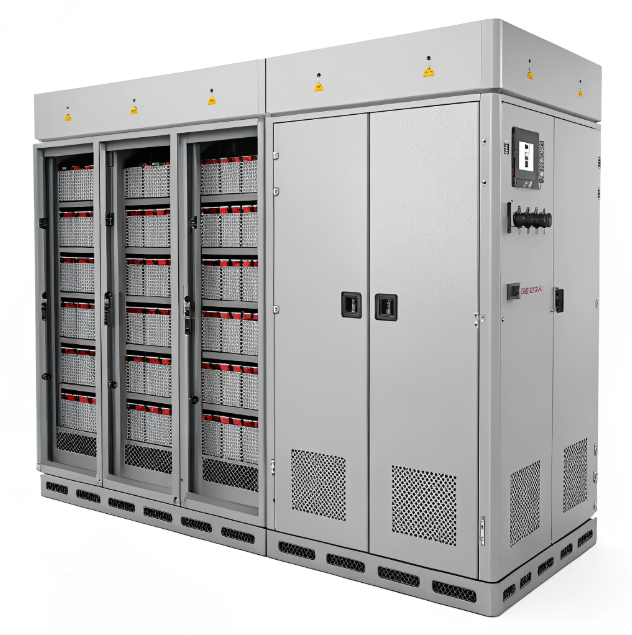
Industrial battery cabinets store excess energy during low-demand periods and discharge it during peak times, reducing demand charges and stabilizing heavy loads efficiently.
The Mechanics of Load Balancing
Industrial facilities often face steep demand charges when power usage spikes. Battery cabinets act as a buffer:
- Peak Shaving: Draws stored energy during high-demand periods to avoid grid reliance.
- Load Leveling: Maintains consistent power flow, reducing strain on equipment.
| Strategy | Benefit |
|---|---|
| Peak Shaving | Lowers utility bills |
| Load Leveling | Extends equipment lifespan |
Real-World Applications
For example, a manufacturing plant using battery storage reduced demand charges by 30% by shifting energy use to off-peak hours.
Understanding the Industrial Power Grid: Where Battery Storage Fits In
Why is the grid struggling to keep up with industrial demand? Aging infrastructure and renewable intermittency create gaps that batteries can fill.
Battery storage integrates with the industrial grid to provide frequency regulation, renewable energy smoothing, and backup power, ensuring uninterrupted operations.
Grid Services Provided by Batteries
- Frequency Regulation2: Batteries respond in milliseconds to grid fluctuations.
- Renewable Integration3: Stores excess solar/wind energy for cloudy or windless days.
- Black Start Capability4: Restores power without external grid support.
Case Study: A Texas data center avoided $500k in downtime costs during a grid outage using battery backup.
Powering Progress: Real-World Applications of Industrial Energy Storage in Manufacturing & Beyond
How are industries like manufacturing and logistics leveraging battery storage? From forklifts to microgrids, the applications are vast.
Industrial energy storage powers electric forklifts, supports microgrids for remote sites, and enables demand response programs, driving efficiency and sustainability.
Sector-Specific Use Cases
- Manufacturing: Peak shaving + backup power for assembly lines.
- Logistics: Charging stations for electric forklifts (no more propane!).
- Mining: Off-grid microgrids with solar + storage cut diesel costs by 60%.
Future Outlook: As battery costs drop, expect wider adoption in steel mills, chemical plants, and more.
Conclusion
Industrial battery storage1 delivers grid stability, cost savings, and resilience, making it indispensable for energy-intensive industries.
Explore how industrial battery storage can enhance energy efficiency and reduce costs for businesses. ↩
Understand the importance of Frequency Regulation and how it stabilizes the power grid. ↩
Find out how Renewable Integration enhances energy reliability and sustainability. ↩
Learn about Black Start Capability and its critical role in restoring power during outages. ↩