From Intermittent to Infinite: How Batteries Make Renewable Energy Truly Reliable?
The sun doesn't always shine, and the wind doesn't always blow - but what if we could store their energy for when we need it most?
Battery storage systems1 transform renewable energy from intermittent sources into reliable power by storing excess generation for use during low-production periods, effectively solving renewables' biggest limitation.
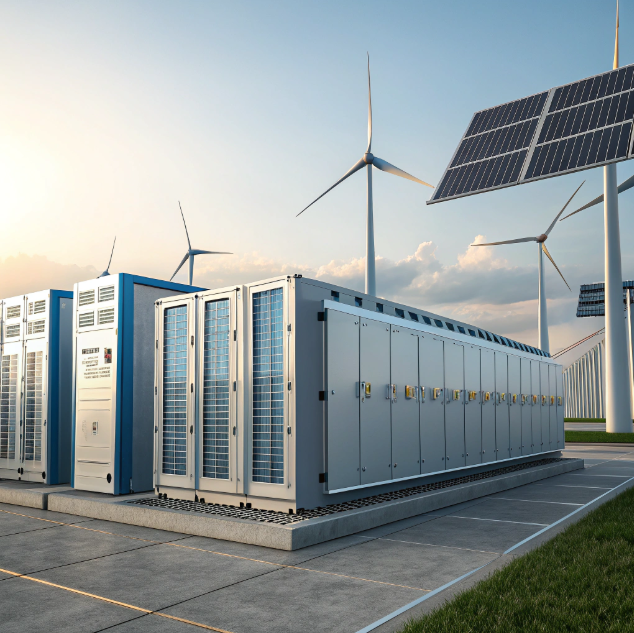
For decades, the Achilles' heel of renewable energy has been its variability. But modern battery technologies are rewriting the rules of energy reliability, creating a paradigm shift in how we harness and use clean power.
Unlocking Energy Independence: The Transformative Impact of Renewable Energy Storage Systems
What if your home could power itself through cloudy days and calm nights without relying on the grid?
Energy storage systems enable true energy independence by allowing homeowners and businesses to store solar/wind power for later use, reducing grid dependence by up to 80% while providing backup power during outages.
The Three Pillars of Energy Independence
-
Self-Consumption Optimization2
- Stores excess solar generation instead of exporting to grid
- Typical systems can increase self-consumption from 30% to 70%+
-
- Provides electricity during grid outages
- Modern systems offer seamless transition (<20ms)
-
- Advanced systems can provide grid stabilization services
- Creates potential revenue streams for system owners
| Storage Capacity | Typical Home Backup Duration | Commercial Application |
|---|---|---|
| 10 kWh | 8-12 hours | Small retail |
| 20 kWh | 16-24 hours | Medium office |
| 30+ kWh | 24+ hours | Industrial |
Battery Chemistry Comparison
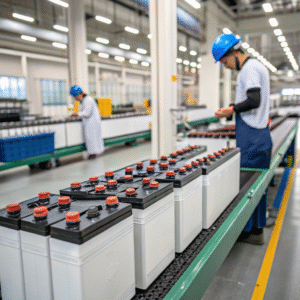
The evolution of battery technologies has been remarkable. From my first experience with lead-acid systems to today's lithium-ion dominance, the improvements in energy density and cycle life have been exponential:
- Lead-Acid: Affordable but limited cycle life (500-1,000 cycles)
- Lithium-Ion: Higher upfront cost but 4,000-6,000 cycle lifespan
- Flow Batteries: Emerging technology with potential for 20,000+ cycles
The choice between these technologies involves careful consideration of:
- Upfront cost vs long-term value
- Space constraints
- Performance requirements
- Maintenance expectations
From Source to Socket: Optimizing Renewable Energy Delivery with Smart Storage
How can batteries act as the perfect mediator between unpredictable renewables and our constant energy demands?
Smart storage systems5 optimize renewable energy delivery by time-shifting production to match consumption patterns, smoothing output fluctuations, and providing grid stability services that traditional generation cannot match.
The Smart Grid Symphony
Modern energy storage doesn't just store power - it intelligently manages it. Through my work with grid operators, I've seen how storage systems perform three critical functions:
-
Energy Time-Shifting
- Stores cheap off-peak or excess renewable energy
- Dispatches during high-price peak periods
-
Frequency Regulation
- Responds to grid frequency fluctuations in milliseconds
- Provides more precise control than conventional plants
-
Ramp Rate Control
- Smooths the "duck curve" of solar generation
- Prevents sudden drops as sun sets
Real-World Impact Metrics
The numbers tell a compelling story about storage's transformative potential:
- California's Solar Shift: Storage has reduced evening ramp needs by 30%
- Texas Wind Integration: Battery systems have decreased wind curtailment by 22%
- Hawaiian Microgrids: Storage enables 60%+ renewable penetration on island grids
The Dawn of a New Energy Era: Batteries as the Enabler for a 100% Renewable Future
Is a fossil-fuel-free grid finally within reach thanks to energy storage breakthroughs?
Advanced battery technologies are making 100% renewable grids technically feasible by providing the missing link - long-duration storage that bridges seasonal variations in renewable generation while maintaining grid reliability.
The Storage Hierarchy of Needs
Achieving full renewable penetration requires addressing energy storage across multiple timescales:
- Seconds-Minutes: Frequency regulation
- Hours: Daily load shifting
- Days: Weather-related generation gaps
- Months: Seasonal storage solutions
Emerging Long-Duration Technologies
While lithium-ion dominates today, tomorrow's grid will likely feature:
- Flow Batteries: 8-100 hour discharge capability
- Thermal Storage: Storing energy as heat for industrial processes
- Hydrogen Systems: Converting excess electricity to hydrogen for long-term storage
- Gravity Storage: Using elevated masses for mechanical energy storage
| Technology | Duration | Efficiency | Commercial Readiness |
|---|---|---|---|
| Lithium-Ion | 4-8 hours | 85-95% | Mature |
| Flow Batteries | 8-100 hours | 60-75% | Early Commercial |
| Hydrogen | Seasonal | 30-50% | Demonstration |
Conclusion
Battery storage transforms renewable energy from variable to viable, enabling reliable clean power that can ultimately replace fossil fuels entirely.
Explore how battery storage systems enhance the reliability of renewable energy sources. ↩
Discover how optimizing self-consumption can maximize energy savings for users. ↩
Find out how backup power can protect homes and businesses during outages. ↩
Understand the role of energy storage in stabilizing the grid and generating revenue. ↩
Learn how smart storage systems optimize energy delivery and enhance grid stability. ↩