From Power Pressure to Energy Assets: Practical Value of C&I Energy Storage Explained
Facing skyrocketing electricity bills and unreliable power? C&I energy storage1 might be your lifeline.
C&I energy storage1 systems help businesses reduce electricity costs by 30-50% through peak shaving2 and demand charge management, while providing backup power during outages.
The energy landscape is shifting rapidly, and commercial/industrial facilities are caught in the crosshairs of rising costs and grid instability. But what if your biggest energy challenges could become your most valuable assets?
How Does C&I Energy Storage Address Rising Electricity Prices and Power Instability?
Watching your energy expenses spiral out of control while the grid keeps failing? Storage solutions turn these pain points into profit centers.
Energy storage combats price volatility by storing cheap off-peak energy for peak-hour use (arbitrage) and provides instantaneous backup power (typically <20ms response) when the grid fails, solving both cost and reliability issues.
The Dual Value Proposition of Storage Systems
- Cost Reduction Mechanisms
- Peak Shaving: Avoids costly demand charges by discharging batteries during utility peak periods
- Energy Arbitrage: Charges batteries when electricity is cheap (often overnight) for daytime use
- TOU Optimization3: Aligns consumption with lowest time-of-use rates
| Strategy | Typical Savings | Implementation Complexity |
|---|---|---|
| Peak Shaving | 15-30% of bill | Medium |
| Full Arbitrage | 30-50% of bill | High |
| Emergency Backup | Priceless | Low |
- Reliability Enhancements
- Seamless transition to battery power during outages (critical for manufacturing processes)
- Voltage/frequency regulation to protect sensitive equipment
- Hybrid systems can integrate with solar PV for enhanced resilience
The California PG&E case study showed manufacturers recouping storage investments in 3-5 years while eliminating $50k+ monthly demand charges. When the grid failed during wildfire season, these systems kept production lines running without interruption.
Installation and O&M Advantages of Energy Storage Batteries in C&I Applications
Dreading complex installations and maintenance nightmares? Modern storage systems are designed for business-friendly deployment.
Today's C&I battery systems feature modular designs[^4] enabling phased installation (often completed in <2 weeks), with remote monitoring reducing O&M costs by up to 40% compared to traditional backup solutions.
The Installation Revolution
-
Space-Smart Designs
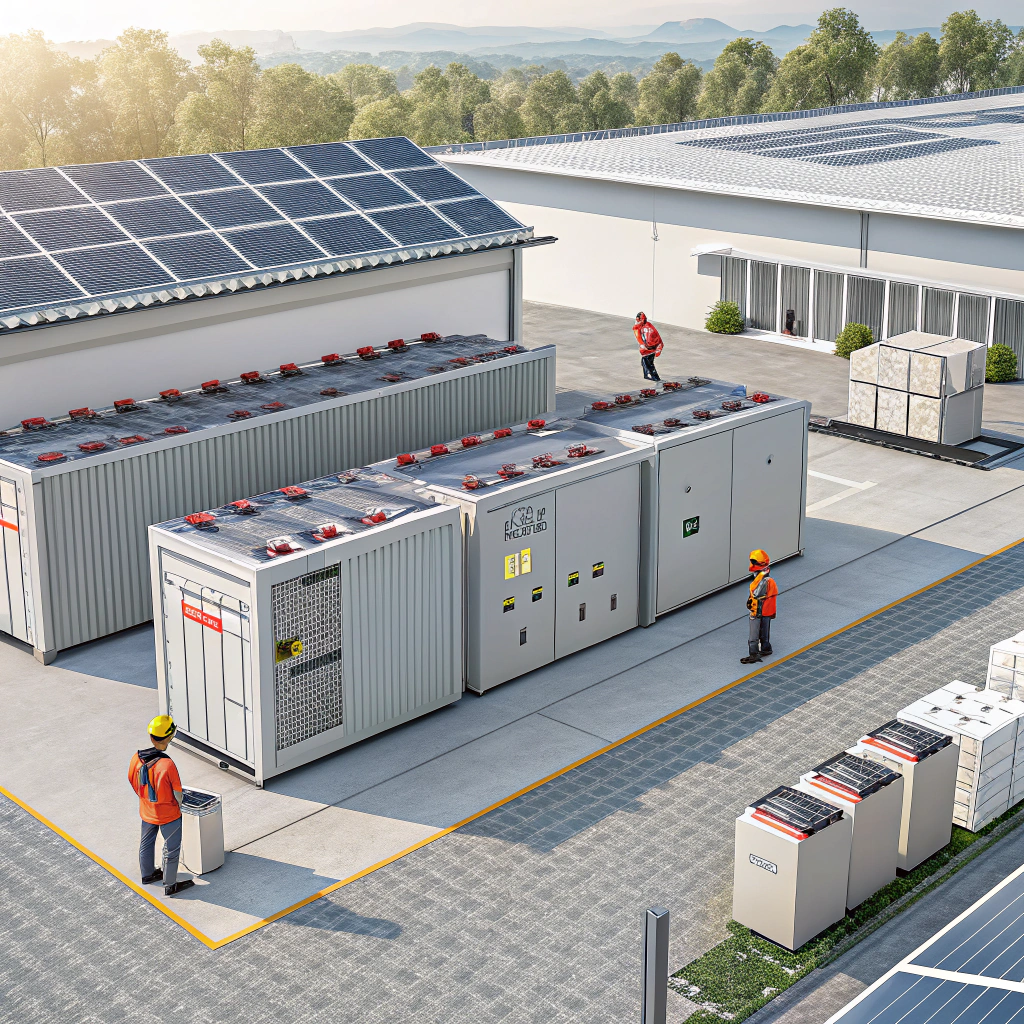
- Containerized solutions (standard 20/40ft configurations)
- Rooftop-ready battery cabinets
- Existing infrastructure integration (transformer sharing)
-
Smart Maintenance Features
- Predictive analytics (identifying issues before failure)
- Automated cell balancing
- Fleet management portals for multi-site operations
Pro Tip: Lithium-ion systems now offer >10,000 cycles at 80% capacity retention - a 300% improvement over lead-acid alternatives.
Payback Period and Long-Term Returns of C&I Energy Storage Projects
Skeptical about ROI? The numbers tell a compelling financial story.
Well-designed C&I storage projects typically achieve 4-7 year payback periods[^5], with 10-15 year system lifespans delivering 200-300% cumulative ROI through energy savings, demand charge reductions, and incentive monetization.
The Financial Breakdown
-
Revenue Streams
- Direct energy cost savings (30-50% reduction)
- Demand charge management (often 40% of savings)
- Grid services revenue (where markets allow)
- Incentive capture (ITC, SGIP, etc.)
-
Total Cost of Ownership
| Cost Component | % of TCO | Notes |
|---|---|---|
| Equipment | 45-55% | Falling 12% annually |
| Installation | 15-20% | Site-dependent |
| O&M | 5-8% | Mostly software-based |
| Financing | 20-30% | PPA models available |
Real-world example: A Midwest auto plant installed 2MW/4MWh storage, achieving $280k annual savings and full payback in 5.2 years - now generating pure profit for the remainder of its 12-year contract.
Conclusion
C&I energy storage1 transforms energy liabilities into strategic assets, delivering 30-50% cost reductions while future-proofing operations against grid instability - with most projects paying for themselves in under 7 years.