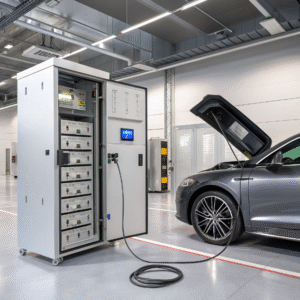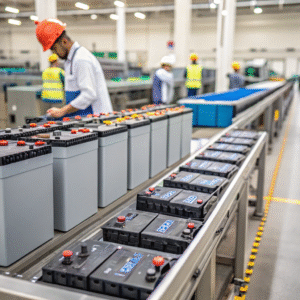
Future-Proof Your Energy: Why Lithium Batteries Are the Cornerstone of Sustainable Power Systems?
Struggling with frequent battery replacements and inefficient power storage? Lithium batteries offer a game-changing solution that outperforms traditional options in every way.
Lithium batteries are the cornerstone of sustainable power systems due to their superior energy density, longer lifespan1, and eco-friendly composition2, making them ideal for renewable energy storage3 and mobile applications.
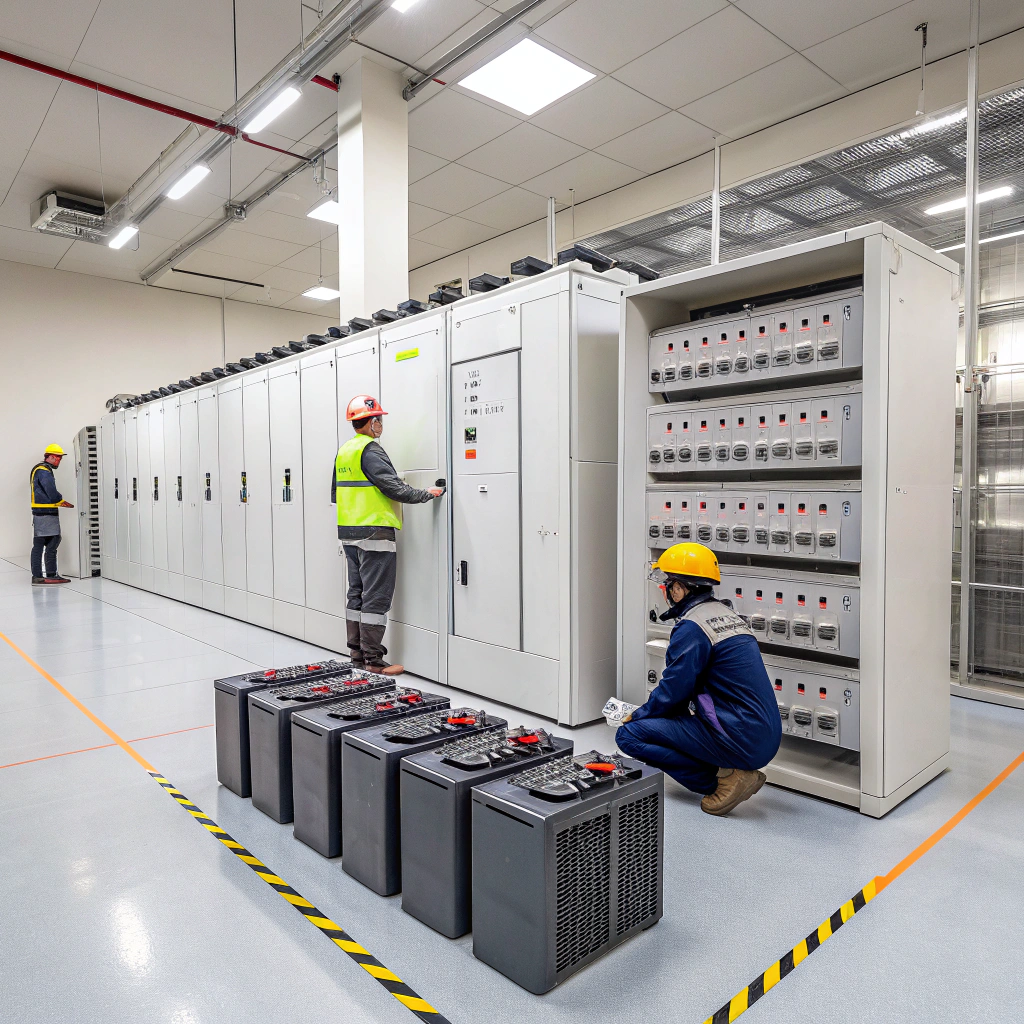
The energy storage landscape is undergoing a radical transformation, and lithium batteries are leading the charge. But what makes them so special compared to conventional lead-acid batteries? Let's explore why lithium technology is revolutionizing how we store and use energy.
Beyond Lead-Acid: Discover the Unmatched Longevity & Efficiency of Lithium Energy Batteries
Tired of replacing your lead-acid batteries every few years? Lithium batteries last up to 10 times longer while delivering consistent performance.
Lithium batteries outperform lead-acid in longevity (2000+ cycles vs 300-500), efficiency (95% vs 80%), and depth of discharge (90% vs 50%), making them the clear choice for sustainable energy solutions.
The Technical Superiority of Lithium Batteries
Let's break down why lithium batteries dominate the energy storage market:
-
Cycle Life Comparison
- Lithium: 2000-5000 cycles
- Lead-acid: 300-500 cycles
- Nickel-based: 500-1000 cycles
-
Energy Density Battery Type Energy Density (Wh/kg) Lithium-ion 100-265 Lead-acid 30-50 Nickel-metal hydride 60-120 -
Maintenance Requirements
- Lithium: Virtually maintenance-free
- Lead-acid: Regular water topping required
- Nickel-cadmium: Memory effect concerns
The environmental benefits are equally impressive. Lithium batteries4 have a smaller carbon footprint over their lifespan due to their longevity and higher efficiency. Their recyclability rate continues to improve, with current recovery rates exceeding 95% for key materials like cobalt and lithium.
Lithium batteries last longer than lead-acid batteries. True
With 2000+ cycles compared to 300-500, lithium batteries significantly outlast lead-acid alternatives.
Lead-acid batteries are more efficient than lithium batteries. False
Lithium batteries achieve 95% efficiency versus 80% for lead-acid, making them clearly superior.
Compact Power, Giant Impact: How Lithium Energy Batteries are Revolutionizing Every Industry
From electric vehicles to grid storage, lithium batteries are powering innovation across sectors. But how exactly are they transforming these industries?
Lithium batteries are revolutionizing industries by enabling electric vehicles (300+ mile range), grid-scale energy storage5 (90% efficiency), and portable electronics (50% lighter than alternatives), driving sustainable innovation worldwide.
Sector-by-Sector Transformation
-
Transportation Revolution
- EVs: 8-year battery warranties becoming standard
- Aviation: Electric aircraft prototypes achieving 250+ mile ranges
- Maritime: Hybrid ferries reducing emissions by 40%
-
Renewable Energy Integration
- Solar farms: Lithium storage smoothens intermittent supply
- Wind farms: 4-hour storage becoming standard
- Microgrids: 24/7 renewable power now achievable
-
Consumer Electronics
- Smartphones: All-day battery life standard
- Laptops: 20-hour operation now possible
- Power tools: Cordless performance matching wired alternatives
The economic impact is equally staggering. The global lithium battery market is projected to grow from $41.1 billion in 2021 to $116.6 billion by 2030, driven by these transformative applications.
Electric vehicles use lithium batteries for their high energy density6. True
EVs rely on lithium batteries to achieve practical ranges of 300+ miles per charge.
Lead-acid batteries are preferred for grid-scale energy storage. False
Lithium dominates grid storage due to superior efficiency and cycle life7.
Demystifying Lithium: A Buyer's Guide to Choosing the Right Energy Storage Battery
Overwhelmed by lithium battery options? Understanding key specifications ensures you make the perfect choice for your needs.
When selecting lithium batteries, consider capacity (Ah), voltage (V), cycle life (cycles), and chemistry (LiFePO4 vs NMC) to match your application requirements and maximize value.
The Lithium Battery Selection Matrix
Use this comprehensive guide to navigate the lithium battery market:
-
Chemistry Comparison Type Energy Density Cycle Life Safety Cost LiFePO4 Moderate Excellent High $$ NMC High Good Medium $$$ LTO Low Excellent High $$$$ -
Capacity Planning
- Calculate daily energy needs (Wh)
- Factor in depth of discharge (80-90% for lithium)
- Include 20% buffer for efficiency losses
-
Voltage Considerations
- 12V systems: RVs, marine, small solar
- 24V systems: Medium solar installations
- 48V systems: Whole-home energy storage
-
Brand Evaluation Criteria
- Warranty length (5+ years ideal)
- Certification (UL, CE, UN38.3)
- Manufacturer reputation and reviews
Remember that proper sizing is crucial - oversized systems waste money while undersized ones compromise performance. Consult with professionals for complex installations.
LiFePO4 batteries are safer than NMC batteries. True
LiFePO4's stable chemistry makes it less prone to thermal runaway than NMC.
Higher energy density always means better battery performance. False
While important, other factors like cycle life and safety must also be considered.
Conclusion
Lithium batteries represent the future of energy storage, offering unmatched performance, longevity, and sustainability across countless applications. By understanding their advantages and selection criteria, you can make informed decisions that will power your needs for years to come.
Discover the factors that lead to the impressive lifespan of Lithium batteries compared to traditional options. ↩
Find out how Lithium batteries contribute to sustainability and their environmental benefits. ↩
Understand the role of Lithium batteries in improving the efficiency of renewable energy systems. ↩
Explore the advantages of Lithium batteries, including longevity and efficiency, to understand their role in sustainable energy. ↩
Discover the benefits of using Lithium batteries for large-scale energy storage and their efficiency. ↩
Learn how energy density impacts battery performance and why it's crucial for applications like electric vehicles. ↩
Learn about the cycle life of Lithium batteries and why it matters for energy storage solutions. ↩