Future-Proof Your Home: Why Residential Solar is the Smartest Long-Term Investment for Modern Homeowners
Problem: Rising energy costs drain your budget. Agitation: Traditional power leaves you vulnerable to rate hikes. Solution: Solar energy delivers decades of predictable, affordable power.
Residential solar1 is the smartest long-term investment because it reduces energy bills by 70-90%, increases home value by 4%, and provides 25+ years of clean energy independence2 with minimal maintenance costs.
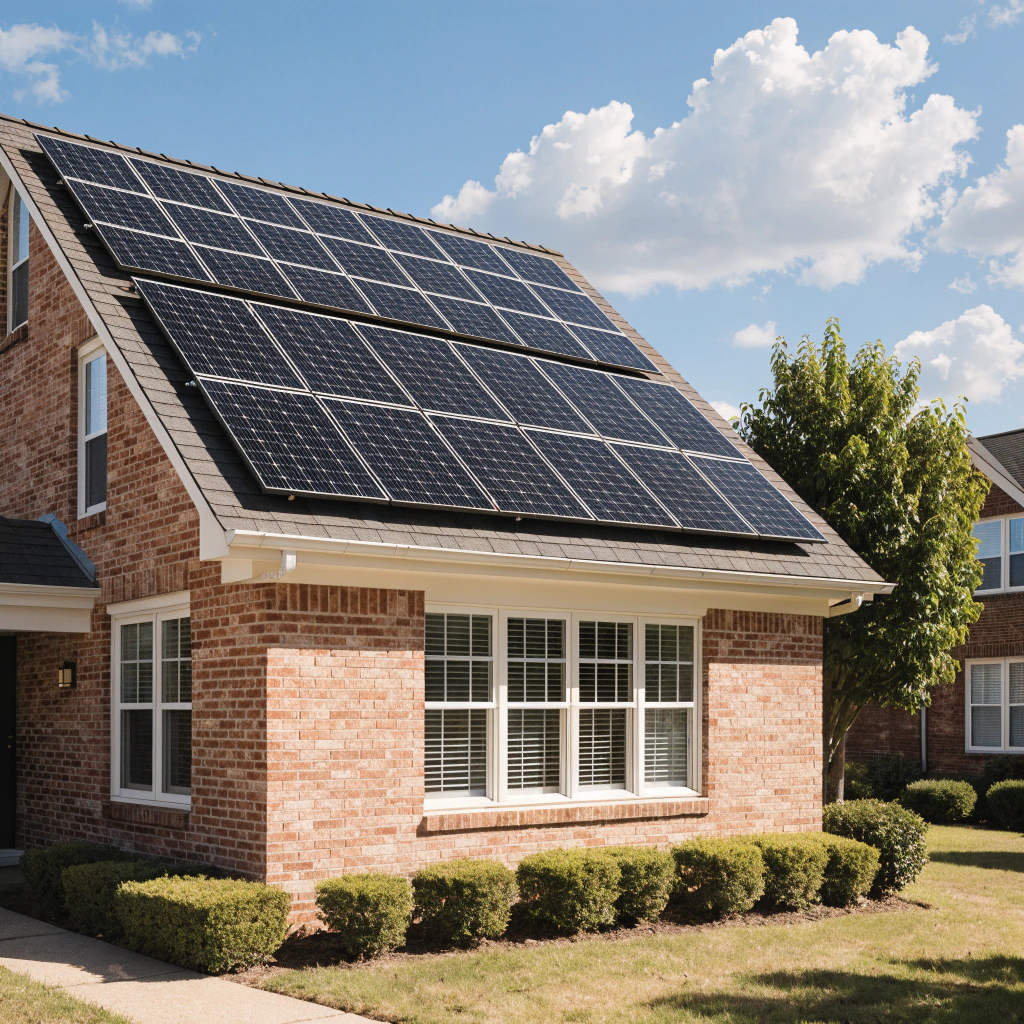
I remember when my neighbor first mentioned installing solar panels five years ago. I thought he was crazy—the upfront costs seemed astronomical, and I wasn't sure the technology was reliable enough. Fast forward to today, and I'm kicking myself for not jumping on board sooner. His energy bills3 have practically disappeared, his home value has increased significantly, and he's generated enough clean energy to power an electric vehicle. Meanwhile, I've watched my utility bills climb year after year, and I'm finally ready to make the switch that I should have made long ago.
Your Smart Home's New Brain: How Does Solar Seamlessly Integrate with Modern Home Automation?
Problem: Smart homes consume more energy than ever. Agitation: Higher tech means higher bills. Solution: Solar integration creates intelligent energy management that actually saves money.
Solar systems integrate with smart home technology through advanced inverters, energy management systems, and AI-powered monitoring that optimizes energy production, storage, and consumption for maximum efficiency.
The integration between solar and smart home technology4 has evolved dramatically in recent years. Modern solar installations aren't just about generating power—they're about creating an intelligent energy ecosystem that learns your usage patterns and optimizes accordingly.
Smart inverters now communicate directly with home automation systems, allowing your solar panels to work in harmony with smart thermostats, energy-efficient appliances, and battery storage systems. I've seen homeowners reduce their energy consumption by up to 40% simply by letting their solar system communicate with their smart home devices to schedule high-energy activities during peak production hours.
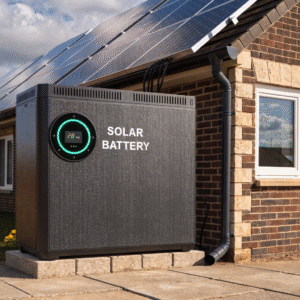
The real game-changer is the integration with energy storage systems. Tesla Powerwall, Enphase batteries, and similar systems don't just store excess solar energy—they intelligently manage when to use stored power versus grid power based on time-of-use rates and weather forecasts. It's like having a personal energy manager that never sleeps.
| Smart Integration Feature | Energy Savings | ROI Impact |
|---|---|---|
| Load shifting automation | 15-25% | 2-3 years faster payback |
| Weather-based optimization | 10-15% | Enhanced system efficiency |
| Grid arbitrage management | 20-30% | Significant utility bill reduction |
Hassle-Free Power: Is Installing and Maintaining Solar Really as Simple as They Say?
Problem: Solar seems complicated and high-maintenance. Agitation: Fear of complex installation and ongoing headaches. Solution: Modern solar is surprisingly simple and nearly maintenance-free.
Modern solar installation is streamlined through professional installers, requiring minimal homeowner involvement, while maintenance consists primarily of occasional cleaning and annual system checks, with most components carrying 20-25 year warranties.
Let me debunk the biggest myth about solar: it's not complicated. The installation process has become incredibly streamlined over the past decade. From my experience helping friends and family through their solar journeys, here's what actually happens:
A reputable installer handles everything from permits to utility interconnection. The actual installation typically takes 1-3 days for an average home, and the most disruptive part is usually waiting for utility approval to flip the switch—not the installation itself. Most homeowners are surprised by how little their daily routine is affected.
As for maintenance, solar panels are essentially solid-state devices with no moving parts. They're designed to withstand decades of weather exposure with minimal intervention. The most maintenance you'll typically do is hosing them down a few times a year and checking your monitoring app to ensure everything's performing optimally.
The warranty coverage is exceptional: panels typically come with 20-25 year power production warranties, inverters carry 10-25 year warranties, and many installers offer comprehensive system warranties. I know homeowners who've had their systems for over 15 years with zero maintenance issues beyond occasional cleaning.
Modern monitoring systems alert you immediately if there's any performance issue, often before you'd notice it yourself. Many problems can be diagnosed and sometimes even resolved remotely, making the whole experience remarkably hassle-free.
Your Green Legacy Starts Here: How Does Home Solar Power a Sustainable Future for Generations?
Problem: Climate change threatens our children's future. Agitation: Traditional energy perpetuates environmental damage. Solution: Solar creates a clean energy legacy for generations.
Home solar systems eliminate 3-4 tons of carbon emissions annually per household, equivalent to planting 100+ trees yearly, while demonstrating environmental stewardship that influences community adoption and creates lasting positive impact for future generations.
The environmental impact of residential solar extends far beyond your individual carbon footprint—though that alone is significant. A typical home solar system prevents the equivalent of burning 8,000 pounds of coal annually, creating a measurable difference in local air quality and global carbon reduction efforts.
But the real legacy lies in the ripple effect. When neighbors see solar panels on your roof, they're statistically 63% more likely to install solar themselves within the next two years. This neighborhood effect creates clean energy clusters that transform entire communities. I've watched this happen in my own area, where one early adopter led to over 30% of homes on the street installing solar within five years.
The financial legacy is equally compelling. Solar systems typically pay for themselves within 6-10 years, then provide 15-20+ years of essentially free electricity. For many homeowners, this represents $30,000-$50,000 in long-term energy savings5—money that can fund education, retirement, or be passed down to children.
Perhaps most importantly, solar adoption demonstrates to younger generations that clean energy solutions are practical, affordable, and beneficial. Children who grow up in solar-powered homes develop an intrinsic understanding of renewable energy and environmental responsibility.
| Environmental Impact | Annual Benefit | 25-Year Total |
|---|---|---|
| CO2 reduction | 3-4 tons | 75-100 tons |
| Equivalent trees planted | 100+ trees | 2,500+ trees |
| Coal burning prevented | 8,000 lbs | 200,000 lbs |
The technology continues advancing rapidly, with newer panels becoming more efficient and affordable each year. By investing in solar now, you're not just buying today's technology—you're positioning yourself to benefit from ongoing improvements and potentially add battery storage or other innovations as they become cost-effective.
Conclusion
Residential solar delivers unmatched long-term value through reduced energy costs, increased home value, seamless smart home integration, minimal maintenance requirements, and significant environmental benefits that create a lasting positive legacy.
Explore the advantages of residential solar energy, including cost savings and environmental impact. ↩
Understand the concept of clean energy independence and its benefits for homeowners. ↩
Learn how solar energy can significantly lower your energy bills and provide financial relief. ↩
Find out how solar energy systems work seamlessly with smart home devices for efficiency. ↩
Find out the potential energy savings you can achieve by switching to solar. ↩