Future-Proof Your Portfolio: How Residential Battery Backup Drives New Revenue Streams for Installers?
Power outages are increasing, and homeowners are desperate for reliable energy solutions. Could residential battery backup systems1 be your next big revenue opportunity?
Residential battery backup systems create new revenue streams for installers through energy storage services, grid participation programs, and premium installation packages while providing homeowners with energy security.
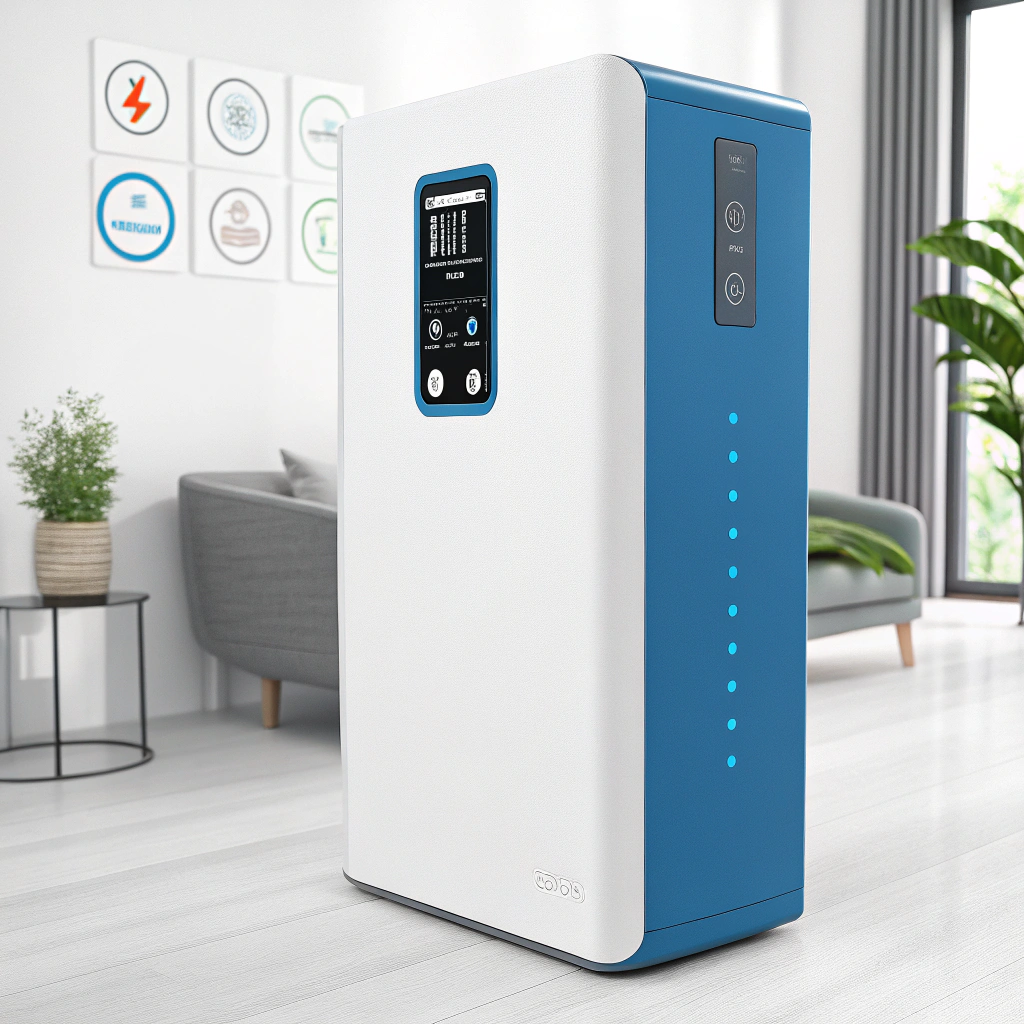
The energy landscape is shifting rapidly, and forward-thinking installers are capitalizing on this transformation. Let's explore how residential battery backup can become your most profitable service yet.
Smart Energy Ecosystems: Integrating Residential Battery Backup for Next-Gen Home Solutions
What if your customers' homes could become mini power plants, generating income while protecting them from blackouts?
Integrating residential battery backup creates smart energy ecosystems2 that enable time-of-use optimization, virtual power plant participation, and enhanced solar self-consumption3, delivering 30-50% higher customer value than standalone solar installations.
Unlocking the Full Potential of Residential Energy Systems
The true value of battery backup emerges when integrated into comprehensive home energy solutions:
-
Time-of-Use Optimization
- Store solar energy when rates are low
- Discharge during peak rate periods
- Typical savings: $200-$500/year per household
-
Virtual Power Plant (VPP) Participation
- Earn $30-$100/month per enrolled system
- Requires 10+ kWh battery capacity
- Grid services include frequency regulation
-
Solar Self-Consumption Boost
- Increase solar utilization from 30% to 80%+
- Eliminate export penalties in NEM 3.0 markets
| Revenue Stream | Potential Earnings | Equipment Requirements |
|---|---|---|
| Battery Installation | $3,000-$10,000 | Certified battery system |
| VPP Enrollment | $360-$1,200/yr | Smart inverter + 10kWh |
| TOU Optimization | $200-$500/yr | Energy monitoring system |
From Blackouts to Bright Futures: How Residential Battery Backup Transforms Homeowners' Lives (and Your Business)
Why are homeowners willing to pay premium prices for battery backup systems, and how can you meet this demand profitably?
Residential battery backup provides energy security during outages, reduces electricity bills, and increases home value, creating a compelling value proposition that commands 20-30% profit margins for installers.
The Three-Tiered Value Proposition
-
Emergency Preparedness Premium4
- 72-hour backup power packages
- Critical load panel installation
- Storm season promotions
-
Financial Benefits Package
- ROI calculations showing payback period
- Utility bill comparison reports
- Tax credit optimization
-
Home Value Enhancement
- Appraisal impact documentation
- Insurance premium discounts
- Future-proofing against grid changes
Battery backup increases solar installation value by 40%. True
Homes with solar+battery sell for 4.1% more than solar-only homes.
Battery systems require weekly maintenance. False
Modern lithium-ion batteries are maintenance-free for 10+ years.
Meeting Peak Demand & Grid Stability: The Role of Residential Battery Backup in a Modern Energy Landscape
Could aggregated residential batteries become the most cost-effective grid resource, and how can installers participate in this emerging market?
Residential battery networks provide cost-effective grid services by reducing peak demand, stabilizing frequency, and deferring infrastructure upgrades, creating new utility partnership opportunities for installers.
The Grid Services Opportunity Matrix
-
Capacity Markets
- Summer peak reduction programs
- Winter storm preparedness
- $/kW-month compensation
-
Ancillary Services
- Frequency regulation
- Voltage support
- Spinning reserves
-
Non-Wires Alternatives
- Transformer load management
- Substation peak shaving
- Transmission deferral
Installation Requirements for Grid Participation:
- Minimum 10 kWh battery capacity
- UL 9540 certified systems
- OpenADR or similar communication protocol
- Utility-approved interconnection
Residential batteries can provide grid services. True
Aggregated home batteries are being used as virtual power plants nationwide.
Utilities discourage residential battery installations. False
Many utilities now offer incentives for battery systems that can provide grid services.
Conclusion
Residential battery backup systems create multiple revenue streams through energy security solutions, grid services5 participation, and premium smart home integrations while future-proofing installer businesses.
Explore how these systems can enhance energy security and create new revenue opportunities for installers. ↩
Learn about the integration of battery systems into smart homes and their benefits for homeowners. ↩
Find out how battery systems can maximize solar energy usage and reduce costs. ↩
Explore how offering emergency preparedness can enhance your service offerings and attract customers. ↩
Understand the role of residential batteries in providing essential grid services and their market potential. ↩