Future-Proof Your Power: Why Integrated Battery Inverter Systems Are the Smart Choice for Resilience?
Power outages are becoming more frequent and severe. Are you prepared to keep your lights on when the grid goes down?
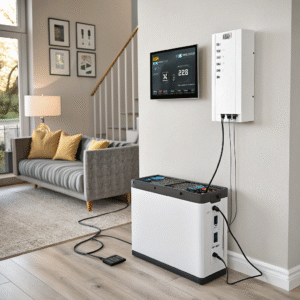
Integrated battery inverter systems1 combine energy storage2 and power conversion in one unit, providing seamless backup power, reducing installation complexity, and optimizing energy use for maximum resilience during outages.
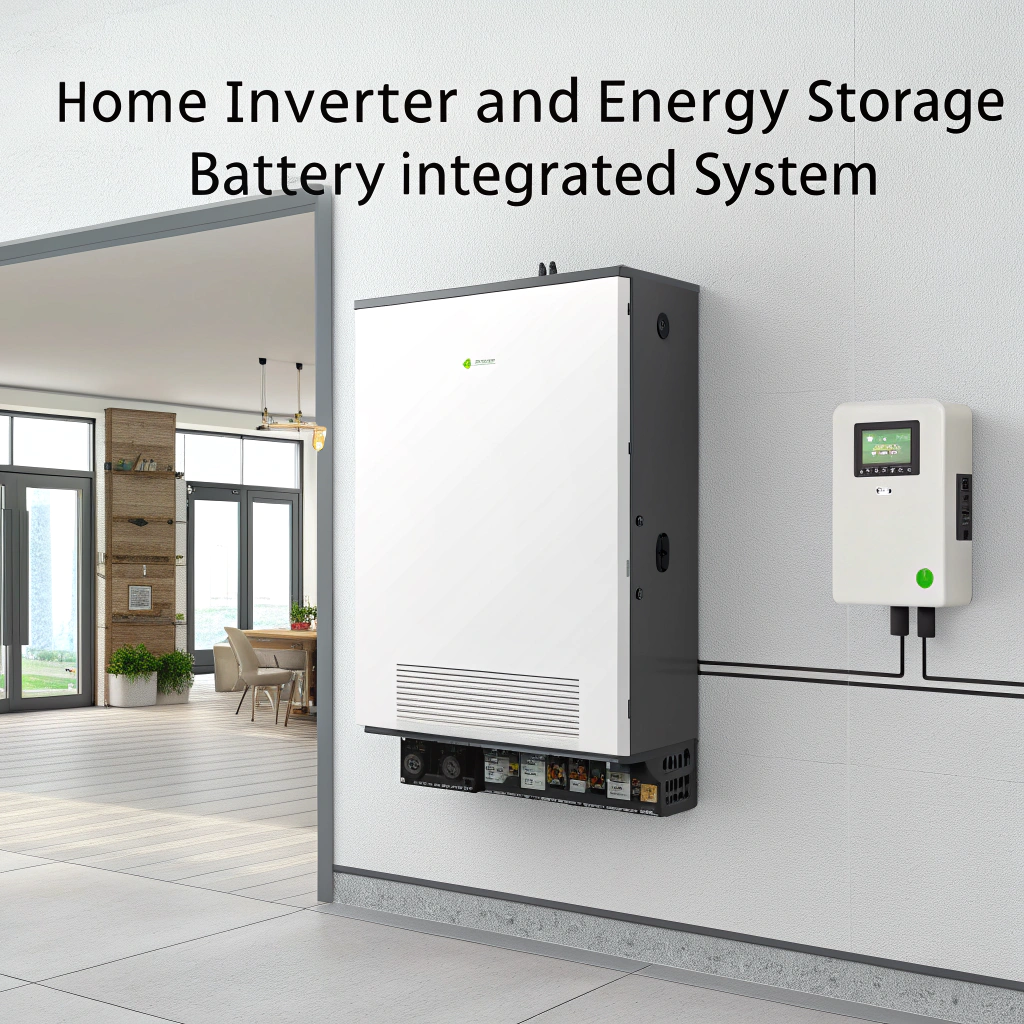
As extreme weather events and aging infrastructure strain our power grids, the need for reliable backup solutions has never been greater. Let's explore how integrated systems outperform traditional setups in reliability, cost, and simplicity.
Plug-and-Play Power: Accelerating Deployment with Integrated Battery & Inverter Systems?
Tired of complex solar+storage installations with dozens of components to coordinate?
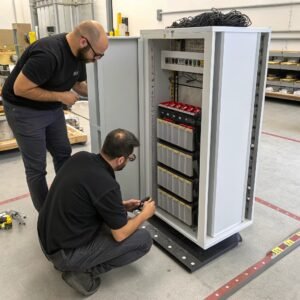
Integrated systems reduce installation time by up to 40% by combining batteries, inverters, and smart controls in pre-engineered packages that require fewer connections and less configuration than piecemeal solutions.
The Installation Advantage
Traditional solar+storage systems often resemble a "spaghetti bowl" of components:
- Separate battery banks
- Stand-alone inverters
- External charge controllers
- Multiple safety disconnects
Integrated systems consolidate these into unified enclosures with:
| Feature | Benefit |
|---|---|
| Pre-wired components | 75% fewer field connections |
| Unified monitoring | Single app for all controls |
| Certified safety systems | Faster permitting approval |
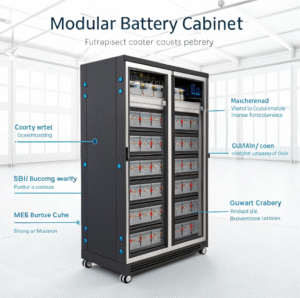
The modular design allows for simple capacity expansion - just add more battery units without replacing core components. This scalability makes integrated systems ideal for both residential whole-home backup and commercial microgrid applications.
Intelligent Energy Management: The Brainpower Behind Integrated Battery Inverter Systems?
What if your power system could predict outages and optimize itself automatically?
Advanced integrated systems use AI-powered energy management3 that learns consumption patterns, weather forecasts, and utility rates to autonomously optimize battery charging/discharging for maximum savings and reliability.
Smart Grid Interaction
Modern systems go beyond simple backup to provide grid services:
-
Time-of-Use Optimization
- Charges batteries when rates are lowest
- Discharges during peak pricing periods
-
Storm Watch Mode
- Monitors weather alerts
- Pre-charges batteries before predicted outages
-
Virtual Power Plant Participation4
- Earns revenue by supplying grid services
- Maintains homeowner-set reserve levels
The most advanced systems even incorporate:
- Load shedding prioritization
- Generator integration controls
- EV charging coordination
From Microgrids to Megawatts: Scalable Power with Battery Inverter Integrated Systems?
Need a solution that grows with your energy needs?
Integrated systems scale from 5kW residential setups to multi-megawatt commercial microgrids using the same core technology, allowing seamless expansion as energy demands increase without replacing core infrastructure.
Residential Example:
- Start with 10kWh backup for essentials
- Add 10kWh units every 2 years as needs grow
- Final configuration: 30kWh whole-home backup
Commercial Example:
| Phase | Capacity | Function |
|---|---|---|
| 1 | 50kW | Critical load backup |
| 2 | 200kW | Peak shaving |
| 3 | 500kW | Microgrid islanding |
The modular architecture5 allows mixing battery chemistries (like pairing lithium-ion with flow batteries) and adding generation sources (solar, wind, generators) through standardized interfaces.
Conclusion
Integrated battery inverter systems deliver simpler installation, smarter operation, and seamless scalability - the trifecta for energy resilience in an uncertain climate future.
Explore how these systems enhance energy resilience and simplify power management. ↩
Learn about the role of energy storage in optimizing power usage and reliability. ↩
Understand how AI enhances efficiency and reliability in energy management. ↩
Learn how participating in VPP can generate revenue and enhance energy resilience. ↩
Discover how modular designs improve flexibility and efficiency in energy solutions. ↩