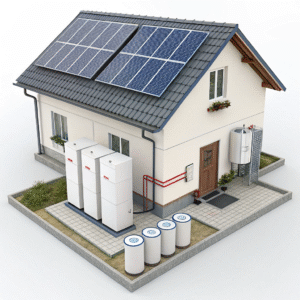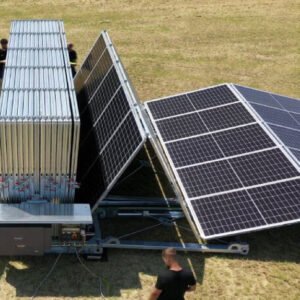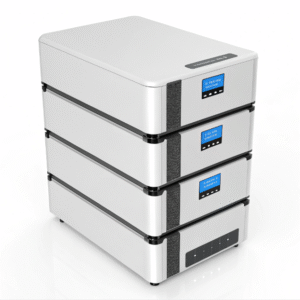
Global Standards, Local Impact: Delivering Certified Deye Inverters that Meet International Compliance?
Problem: Solar installations fail due to non-compliant inverters. Agitation: Costly system replacements and legal issues follow. Solution: Deye's certified inverters ensure global compliance.
Deye inverters1 meet international standards including IEC, UL, and CE certifications, ensuring reliable grid integration, safety compliance, and seamless operation across diverse global markets and regulatory environments.
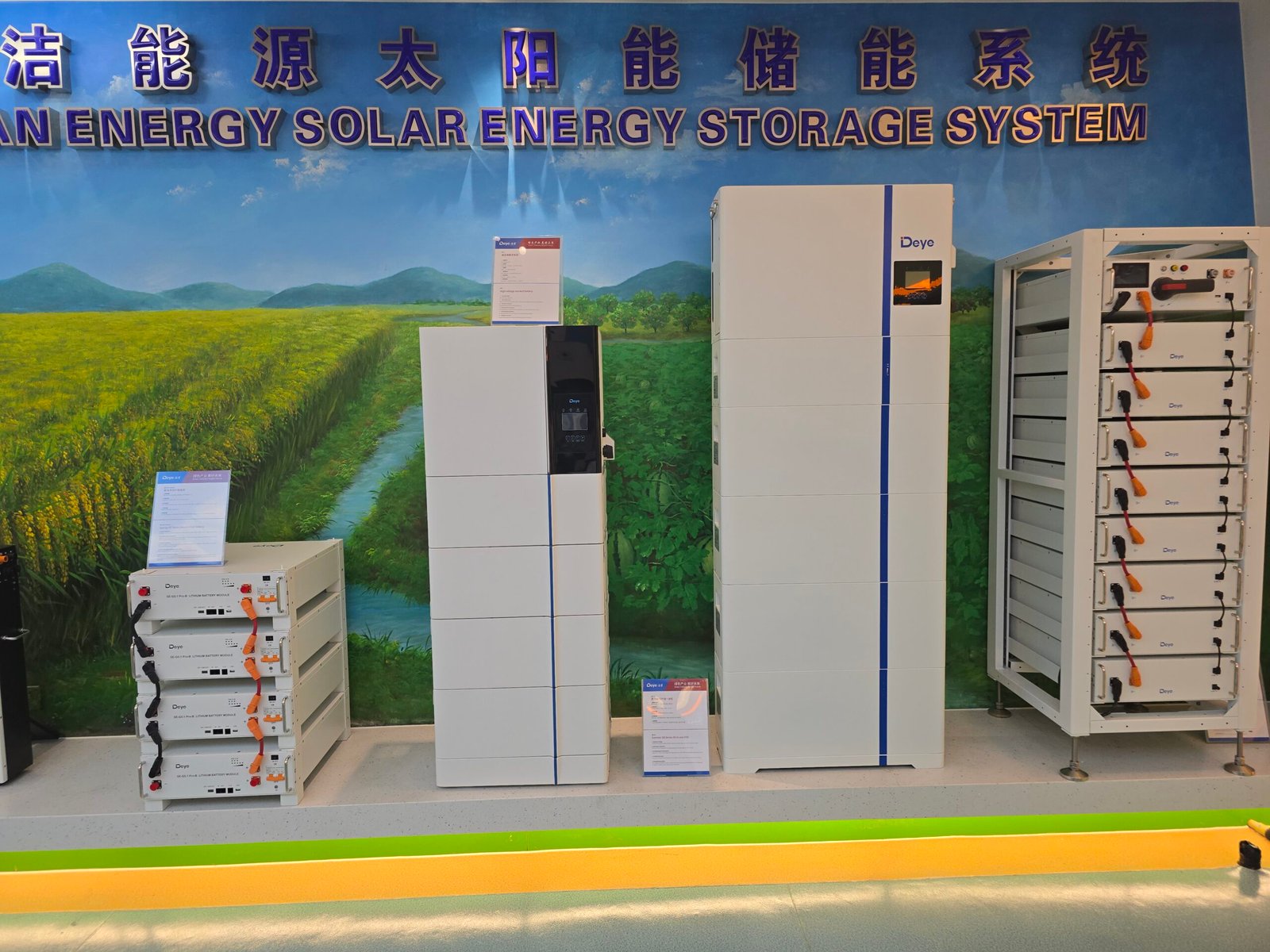
The solar industry has evolved beyond simple energy generation—it's now about creating integrated systems that work flawlessly across different regions and applications. Whether you're installing in North America, Europe, or emerging markets, having inverters that meet stringent international standards2 isn't just preferable; it's essential for long-term success and avoiding costly retrofits.
Grid Stability & Beyond: Deye Inverters with Robust Grid-Tied and Off-Grid Capabilities for Any Scenario?
Problem: Power outages leave you helpless. Agitation: Critical systems fail when grid goes down. Solution: Deye's hybrid capability3 ensures continuous power supply.**
Deye inverters provide seamless grid-tied operation with intelligent off-grid backup capabilities, automatically switching between power sources to maintain continuous electricity supply during outages while optimizing energy efficiency.
Understanding Grid-Tied vs. Off-Grid Operations
Modern energy systems demand flexibility that traditional inverters simply can't provide. Grid-tied systems excel at maximizing energy efficiency by feeding excess solar power back to the utility grid, but they fail completely during outages. Off-grid systems provide independence but often lack the sophisticated management needed for optimal performance.
Deye inverters bridge this gap with intelligent hybrid functionality. During normal operation, they optimize grid interaction by managing power flow, reducing utility bills, and ensuring grid stability through advanced anti-islanding protection. When outages occur, they automatically disconnect from the grid and switch to backup mode, powering critical loads from battery storage or continuing solar generation.
| Operating Mode | Grid Connection | Power Source | Key Benefits |
|---|---|---|---|
| Grid-Tied | Connected | Solar + Grid | Maximum efficiency, net metering |
| Off-Grid | Disconnected | Solar + Battery | Energy independence, backup power |
| Hybrid | Intelligent switching | All sources | Best of both worlds, seamless transitions |
The sophisticated control algorithms continuously monitor grid conditions, battery state of charge, and load demands to optimize performance. This means you're not just getting backup power—you're getting a smart energy management4 system that adapts to changing conditions in real-time.
Integrate with Confidence: Deye Inverters – Your Bridge to Seamless Battery Storage and EV Charging Solutions?
Problem: Complex integration nightmares plague solar installations. Agitation: Multiple incompatible systems create costly headaches. Solution: Deye's unified platform simplifies everything.**
Deye inverters feature built-in battery management systems5 and EV charging integration, enabling single-platform control of solar generation, energy storage, and electric vehicle charging for streamlined energy management.
Advanced Battery Management Integration
The complexity of managing multiple energy systems has traditionally required separate controllers, monitoring systems, and management platforms. This fragmented approach creates integration challenges, increases costs, and often results in suboptimal performance across the entire energy ecosystem.
Deye inverters eliminate these challenges through comprehensive integration capabilities. The built-in battery management system supports multiple battery chemistries including lithium-ion, LiFePO4, and lead-acid, automatically optimizing charging profiles for maximum lifespan and performance. Advanced algorithms prevent overcharging, deep discharge, and thermal runaway while maximizing usable capacity.
For EV charging integration6, Deye inverters can directly interface with AC and DC charging stations, prioritizing solar power for vehicle charging while maintaining household energy needs. Smart scheduling features allow users to charge vehicles during peak solar production or lowest utility rates, maximizing economic benefits.
| Integration Feature | Battery Storage | EV Charging | Home Energy |
|---|---|---|---|
| Control Interface | Unified BMS | Smart scheduling | Load prioritization |
| Communication | CAN/RS485 | OCPP compatible | WiFi/Ethernet |
| Optimization | SOC management | Time-of-use rates | Demand response |
The system's intelligence extends to predictive analytics, learning usage patterns and weather forecasts to optimize energy allocation across all connected systems. This means your battery charges when solar production is high, your EV charges at optimal times, and critical loads always have priority access to stored energy.
Simplified Monitoring, Enhanced Control: Experience Intuitive Management of Your Solar Assets with Deye Inverters?
Problem: Complex solar monitoring confuses users. Agitation: Poor visibility leads to reduced performance and missed savings. Solution: Deye's intuitive platform makes management effortless.**
Deye inverters include comprehensive monitoring platforms with mobile apps, web portals, and real-time analytics, providing instant visibility into system performance, energy production, and cost savings with intuitive controls.
Comprehensive Monitoring Ecosystem
Traditional solar monitoring systems often overwhelm users with technical data while failing to provide actionable insights. Many installers cobble together monitoring solutions from different vendors, creating fragmented experiences that make it difficult for system owners to understand their solar investment's true performance.
Deye's integrated monitoring ecosystem transforms this experience through user-centric design and comprehensive data visualization. The mobile application provides real-time system status, energy production metrics, and financial performance tracking in an interface designed for everyday users, not engineers. Historical data analysis helps identify performance trends and optimization opportunities.
The web portal offers deeper analytics for installers and energy professionals, including detailed diagnostic information, remote configuration capabilities, and maintenance scheduling tools. Advanced users can access granular performance data, set custom alerts, and integrate with third-party energy management systems through robust API support.
Multi-level user permissions ensure that homeowners see relevant information while giving installers and service technicians appropriate access to technical parameters. The system automatically generates performance reports, maintenance reminders, and alerts for any issues requiring attention, ensuring optimal system performance throughout its operational life.
| User Level | Access Features | Primary Benefits |
|---|---|---|
| Homeowner | Real-time production, savings tracking | Simple performance visibility |
| Installer | System diagnostics, remote configuration | Efficient service delivery |
| Service Tech | Full technical access, maintenance logs | Comprehensive troubleshooting |
The platform's predictive maintenance capabilities analyze performance patterns to identify potential issues before they impact system operation, reducing service calls and maximizing system uptime through proactive intervention.
Conclusion
Deye inverters deliver certified compliance, hybrid capabilities, seamless integration, and intuitive monitoring for complete solar energy management solutions.
Explore how Deye inverters enhance solar energy systems with compliance and efficiency. ↩
Learn about the crucial international standards that ensure solar inverter reliability and safety. ↩
Learn how hybrid capability in inverters ensures continuous power supply during outages. ↩
Discover how smart energy management optimizes energy use and reduces costs. ↩
Discover how battery management systems optimize energy storage and performance. ↩
Explore the benefits of integrating EV charging with solar energy systems. ↩