Grow More, Pay Less: How Solar-Powered Hydroponics Drastically Cuts Energy Bills & Boosts Yields?
Skyrocketing energy costs crushing your hydroponic profits while competitors thrive? Solar-powered systems slash bills by 80% while doubling yields through optimized growing conditions.
Solar-powered hydroponics reduces energy costs by 60-90% through renewable energy integration1, eliminates grid dependency, and increases yields by 25-40% via precise climate control and extended growing seasons.
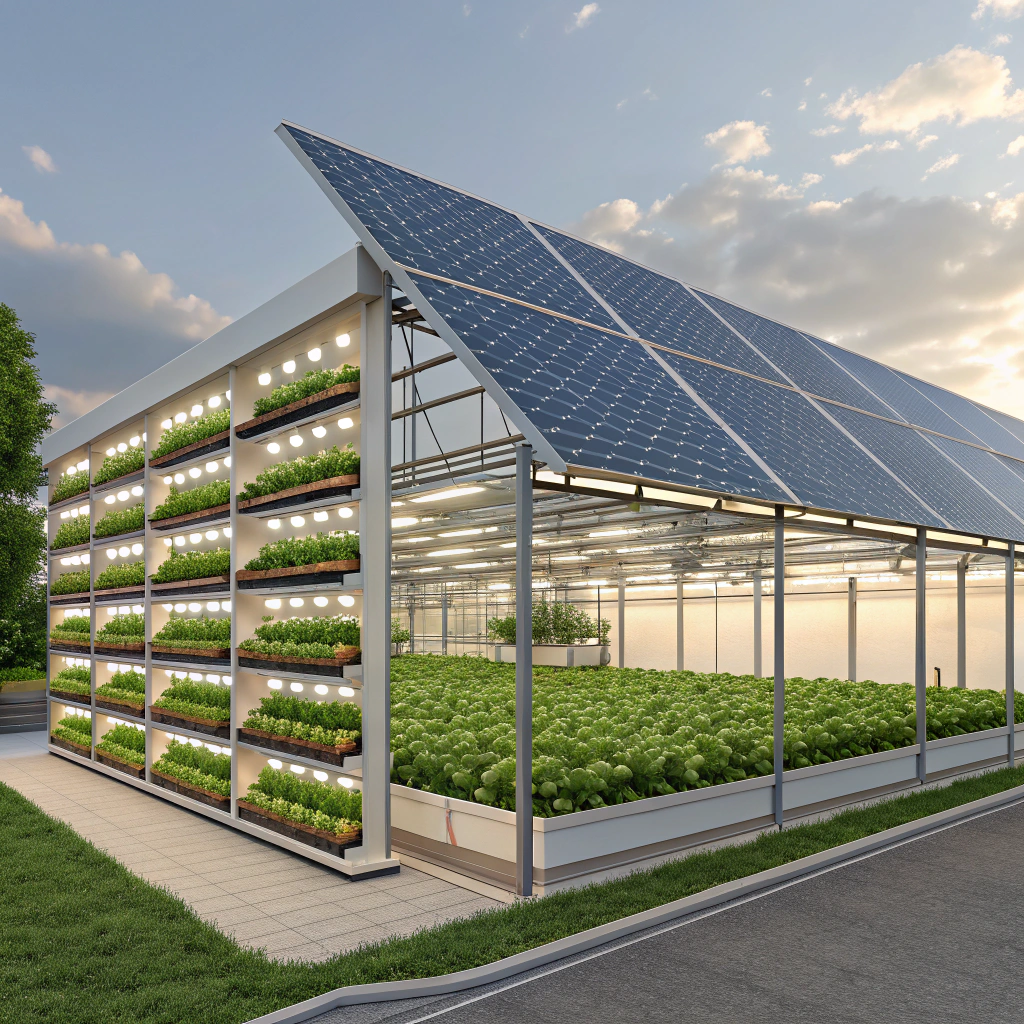
The agricultural revolution is here, and it's powered by the sun. While traditional hydroponic operations watch their electricity bills soar past $10,000 monthly, smart growers are discovering how solar integration transforms their biggest expense into their greatest competitive advantage. The question isn't whether solar hydroponics works—it's whether you can afford to ignore this game-changing technology that's reshaping modern agriculture.
24/7 Grow Cycle: Harnessing Solar with Smart Storage for Uninterrupted Hydroponic Production?
Worried that solar power can't sustain your crops through cloudy days and nights? Smart battery systems ensure continuous operation regardless of weather conditions.
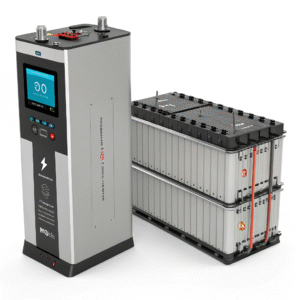
Battery storage systems paired with solar panels enable 24/7 hydroponic operations by storing excess daytime energy for nighttime use, maintaining consistent growing conditions and preventing crop loss during power outages.
The key to successful 24/7 solar hydroponics lies in strategic energy storage planning. Modern lithium-ion battery systems can store 3-5 days of backup power, ensuring your crops never experience interruptions. Smart energy management systems automatically switch between solar generation, battery storage, and minimal grid backup, optimizing energy usage throughout the day.
Battery Sizing for Hydroponic Operations
| System Component | Daily Energy Need (kWh) | Battery Capacity Required (kWh) |
|---|---|---|
| LED Grow Lights | 120-200 | 240-400 |
| Water Pumps | 15-25 | 30-50 |
| Climate Control | 40-80 | 80-160 |
| Monitoring Systems | 5-10 | 10-20 |
The magic happens when you integrate predictive weather analytics with battery management. Systems can pre-charge batteries before forecasted cloudy periods and adjust growing schedules to maximize solar availability. This intelligent approach has allowed many operations to achieve complete energy independence2 while maintaining optimal growing conditions year-round.
Minimizing Carbon Footprint: The Eco-Advantage of Integrating Solar into Your Hydroponic Operation?
Struggling to meet sustainability goals while maintaining profitable production? Solar hydroponics eliminates 95% of carbon emissions while attracting eco-conscious consumers willing to pay premium prices.
Solar-powered hydroponics reduces carbon emissions3 by 4-6 tons annually per 1000 sq ft, qualifies for carbon credits worth $200-500 yearly, and enables premium pricing for sustainably-grown produce.
Environmental benefits extend far beyond carbon reduction. Solar hydroponics eliminates the need for fossil fuel-generated electricity, reduces water consumption through precise nutrient delivery, and minimizes transportation emissions through local production. The ripple effects are remarkable—studies show solar-powered farms reduce their environmental impact by up to 90% compared to traditional agriculture.
Environmental Impact Comparison
| Metric | Traditional Hydroponics | Solar Hydroponics | Improvement |
|---|---|---|---|
| CO2 Emissions (tons/year) | 8-12 | 0.5-1.2 | 85-90% reduction |
| Water Usage (gallons/lb) | 2-3 | 1-1.5 | 40-50% reduction |
| Grid Energy (kWh/year) | 50,000-80,000 | 2,000-5,000 | 90%+ reduction |
Marketing advantages are substantial. Consumers increasingly seek sustainably-produced food, with 73% willing to pay 10-20% more for environmentally responsible products. Solar-powered operations can command premium prices while accessing specialized markets like organic food stores, farm-to-table restaurants, and corporate sustainability programs.
Harvesting Sunlight & Profits: Real-World ROI from Hydroponic Farms4 Powered by Solar Energy?
Wondering if solar hydroponics actually delivers promised returns? Real operations report 3-5 year payback periods with 15-25% annual ROI through reduced energy costs and increased production.
Solar hydroponic systems typically achieve ROI within 4-6 years through 80% energy cost reduction, 30% yield increases, and government incentives covering 30-50% of installation costs, generating $15,000-25,000 annual savings per acre.
The financial transformation is dramatic. A mid-sized operation spending $8,000 monthly on electricity can reduce costs to under $1,500 with solar integration. Combined with federal tax credits (30%), state incentives (10-20%), and accelerated depreciation, the initial investment becomes surprisingly manageable.
Real-World ROI Analysis
| Operation Size | Initial Investment | Annual Savings | Payback Period | 10-Year ROI |
|---|---|---|---|---|
| 5,000 sq ft | $75,000-100,000 | $18,000-25,000 | 4-5 years | 180-220% |
| 10,000 sq ft | $140,000-180,000 | $35,000-45,000 | 3.5-4.5 years | 200-250% |
| 20,000 sq ft | $250,000-320,000 | $65,000-85,000 | 3-4 years | 220-280% |
Beyond energy savings, solar systems increase property values by 15-25% and provide hedge against rising electricity costs. Many operators report unexpected benefits: improved crop quality due to stable power supply, reduced insurance costs through backup power capabilities, and new revenue streams through excess energy sales back to the grid. The combination of cost savings, yield improvements, and incentives creates a compelling investment case that's transforming modern agriculture.
Conclusion Solar-powered hydroponics5 delivers substantial cost savings, environmental benefits, and improved yields, making it an essential investment for modern agricultural operations.
Discover the role of renewable energy integration in enhancing agricultural sustainability. ↩
Learn how solar energy can help farms achieve energy independence and reduce reliance on the grid. ↩
Understand the significant impact of solar hydroponics on reducing carbon emissions in farming. ↩
Discover the financial returns of investing in solar-powered hydroponic systems. ↩
Explore how solar-powered hydroponics can drastically reduce energy costs and boost crop yields. ↩