High Voltage vs. Low Voltage: Why This Single Inverter Choice Could Save You Thousands on Cabling and Efficiency
Struggling with solar installation costs? Your inverter's voltage choice could be draining your budget before you even flip the switch.
High-voltage inverters1 reduce cable costs and energy losses, while low-voltage systems offer simpler installation. The optimal choice depends on your system size, expansion plans, and budget constraints.
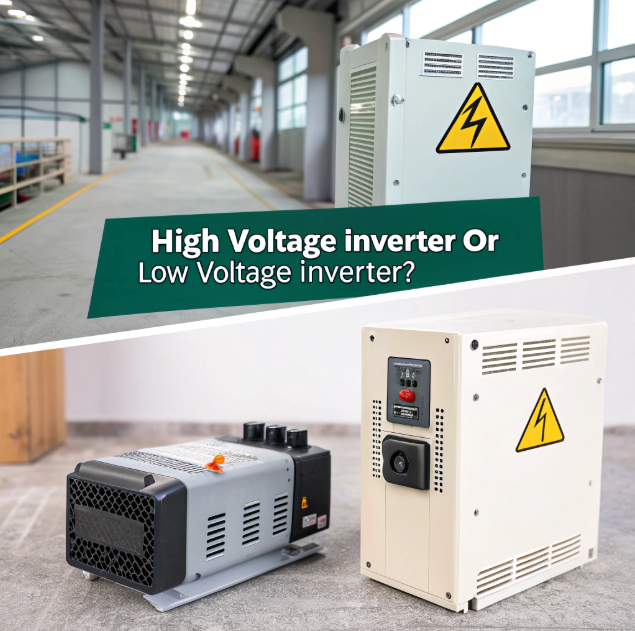
Making the wrong voltage decision today could cost you thousands tomorrow. Let's explore why this single choice matters more than you think.
Your Inverter's Voltage Explained: Is It a High-Pressure Pipe or a Low-Pressure Pipe? How This Choice Defines Your System's Lifeline
Ever wonder why voltage matters in solar systems? It's all about electrical pressure and flow efficiency.
Inverter voltage determines electrical "pressure" - high voltage moves more power through thinner wires with less loss, while low voltage requires thicker, more expensive cabling for the same energy transfer.
Understanding the Electrical Flow Dynamics
Think of voltage like water pressure in pipes. High voltage (typically 600V-1500V) acts like high-pressure plumbing, pushing more energy through smaller conduits. Low voltage (12V-48V) resembles low-pressure systems needing wider pipes to deliver equivalent flow.
| System Type | Voltage Range | Cable Requirement | Energy Loss |
|---|---|---|---|
| High Voltage | 600V-1500V | Thinner, less copper | 1-3% |
| Low Voltage | 12V-48V | Thicker, more copper | 5-15% |
High-voltage systems excel in larger installations where cable runs are longer. The reduced current means you can use smaller gauge wiring, cutting material costs by 30-50%. For residential systems over 5kW, high voltage becomes increasingly cost-effective.
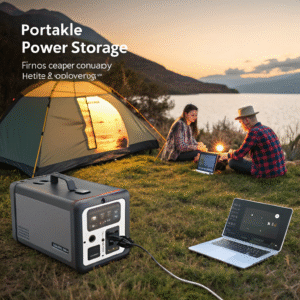
Low voltage maintains advantages in small-scale applications. RV systems, portable setups, and basic cabin power benefit from simpler safety requirements and component availability. However, as system size increases, low voltage's limitations become expensive problems.
Is Your Solar System Built for Tomorrow? Why High-Voltage Inverters Are Becoming the New Standard for Flexibility and Expansion
Planning to add more panels later? Your voltage choice today determines your expansion options tomorrow.
High-voltage inverters support easier system expansion with modular design2, higher efficiency at scale, and future-proofing for technology upgrades, making them ideal for growing energy needs.
The Scalability Advantage
High-voltage systems dominate commercial and larger residential installations for good reason. Their architecture supports string configurations that can easily accommodate additional panels without complete system redesign.
The efficiency curve3 tells the story: high-voltage inverters maintain 97-99% efficiency even at partial loads, while low-voltage systems often drop to 85-90% efficiency when not operating at peak capacity. This difference compounds over years of operation.
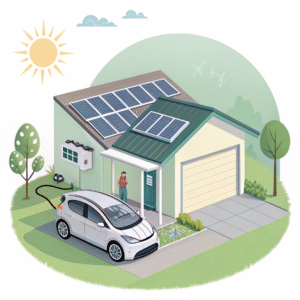
Future technology trends favor high voltage. Battery storage systems, EV charging integration, and smart grid compatibility4 increasingly operate at higher voltages. Choosing low voltage today might mean expensive converter additions later.
The Ultimate Showdown: A Checklist to Tell You EXACTLY When to Choose a High-Voltage Inverter (And When Low-Voltage is Still a Solid Choice)
Confused about which voltage suits your situation? This decision matrix eliminates the guesswork.
Choose high voltage for systems over 5kW, long cable runs, or planned expansion. Opt for low voltage for small mobile systems, DIY projects, or basic backup power where simplicity trumps efficiency.
Your Voltage Selection Guide
Choose HIGH VOLTAGE When:
- System size exceeds 5kW
- Cable runs longer than 50 feet
- Planning future expansion
- Prioritizing long-term efficiency
- Commercial or large residential applications
Choose LOW VOLTAGE When:
- System under 2kW total capacity
- RV, boat, or mobile applications
- DIY installation with safety concerns
- Budget constraints on initial inverter cost
- Simple backup power needs
Critical Considerations:
- High voltage requires professional installation and proper safety protocols
- Low voltage offers easier DIY implementation but higher long-term costs at scale
- Local regulations may dictate maximum allowable voltages
The crossover point typically occurs around 3-5kW system size. Below this threshold, low voltage's simplicity often justifies its inefficiencies. Above it, high voltage's cable savings and efficiency gains quickly offset higher initial inverter costs.
Conclusion
Your inverter voltage choice impacts costs, efficiency, and future flexibility. High voltage saves on cabling and losses for larger systems, while low voltage suits small-scale simplicity.
Discover how high-voltage inverters can significantly reduce installation costs and improve efficiency. ↩
Learn about the advantages of modular design for flexibility and scalability in solar installations. ↩
Gain insights into the efficiency curve of solar inverters and its impact on energy production. ↩
Explore the importance of smart grid compatibility for modern solar energy solutions. ↩