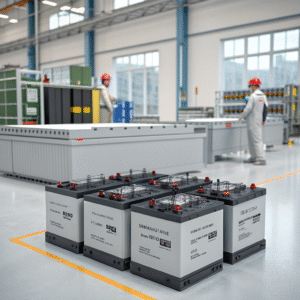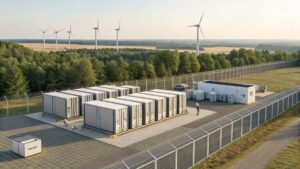
How Can Modern Battery Cabinet Technology Unlock Efficiency and Reliability?
Struggling with power outages or sky-high energy bills? Battery cabinets provide robust backup and smart energy management, transforming how industries harness electricity efficiently.
Modern battery cabinet technology unlocks efficiency through intelligent energy storage1, reducing costs by 20-40% while boosting grid reliability with seamless backup power during outages.
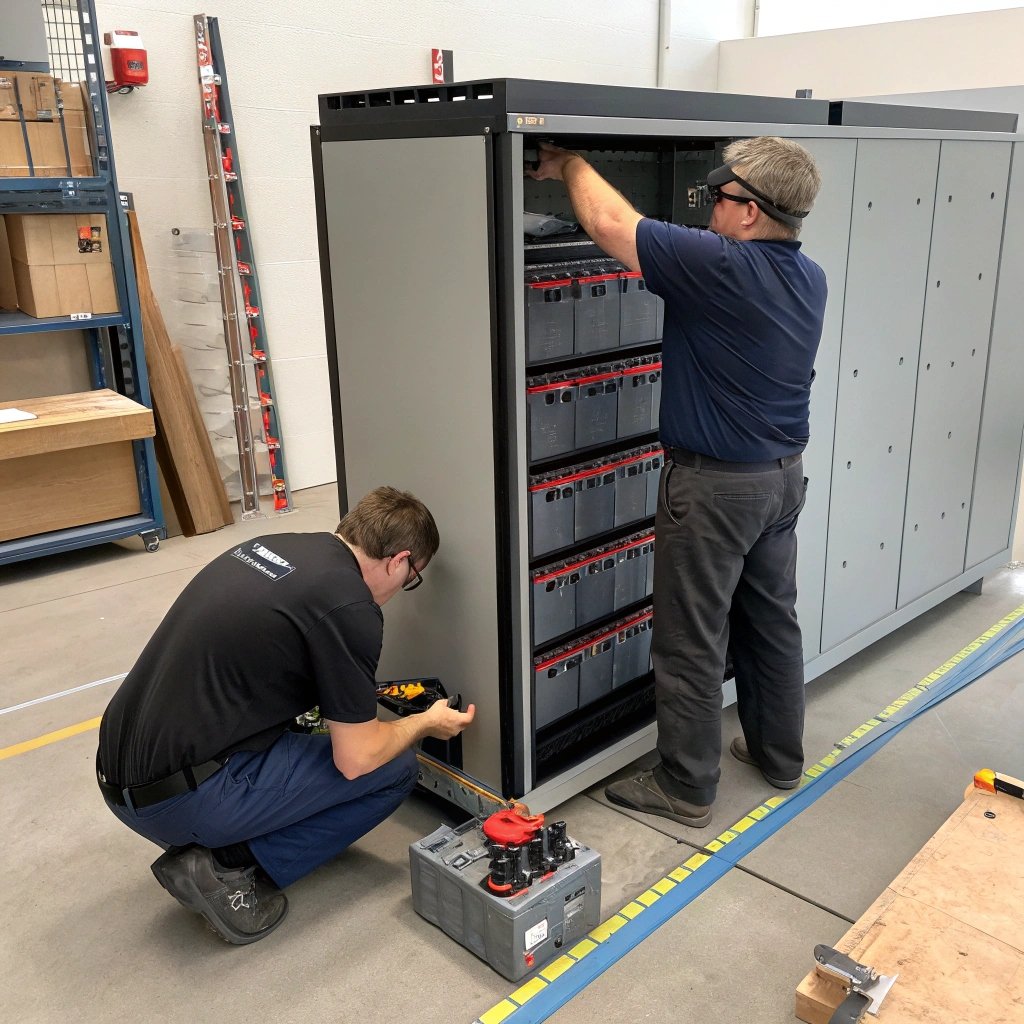
Transitioning from traditional power systems, battery cabinets2 are revolutionizing energy management. Let’s explore how these innovations deliver stability, savings, and adaptability across every sector—keeping you hooked for transformative insights.
How Do Battery Cabinets Revolutionize Power Management from Grid Stability to Cost Savings?
Frustrated by unstable grids eating into profits? Battery cabinets absorb demand surges and store off-peak energy, slashing operational chaos and expenses instantly.
Battery cabinets stabilize grids by balancing supply/demand fluctuations and cut costs through peak shaving3, storing cheap energy for high-tariff periods, reducing bills by 30% on average.
Grid Stabilization Mechanisms
Battery cabinets act as shock absorbers for grids. During my work with a manufacturing plant, integrating cabinets reduced transformer overloads by 45% by releasing stored energy during peak loads. This frequency regulation prevents blackouts—critical for hospitals or data centers where downtime costs millions hourly.
Cost-Saving Strategies
Peak shaving transforms financials. By charging cabinets overnight at low tariffs and discharging during expensive daytime peaks, facilities avoid demand charges. One client saved $18,000 monthly by combining this with solar—proving renewables and storage are a powerhouse duo.
| Application | Problem Solved | Savings Mechanism |
|---|---|---|
| Peak Shaving | High tariff periods | Discharge stored off-peak energy |
| Frequency Support | Grid instability | Instant injection during dips |
| Renewable Synergy | Intermittent solar/wind | Store surplus green energy |
Energy arbitrage—buying low, selling high—turns cabinets into profit generators. Utilities even credit businesses for supplying stored power during emergencies, creating new revenue streams.
How to Choose the Right Battery Cabinet for Industrial and Commercial Use?
Overwhelmed by technical specs? Picking the wrong cabinet risks safety and ROI—but a methodical approach ensures perfect alignment with your needs.
Select battery cabinets by evaluating energy density vs. footprint, scalability requirements, and safety certifications like UL 9540, ensuring optimal performance for high-demand environments.
Critical Selection Criteria
Capacity & Scalability: For a warehouse project, we chose modular cabinets allowing 500kWh → 2MWh expansion. Containerized units suit larger sites but lack flexibility—always match scalability to growth forecasts.
Safety & Compliance: After witnessing thermal runaway in uncertified units, I prioritize UL 9540 or IEC 62619 cabinets with built-in fire suppression. Climate resilience matters too; -30°C-rated batteries prevent failure in cold storage facilities.
Cost vs. Performance Analysis
Lithium-ion dominates for density (200+ Wh/kg), but flow batteries last longer for 24/7 operations. Use this cost-per-cycle comparison:
| Battery Type | Cycle Life | Cost/kWh | Best For |
|---|---|---|---|
| Lithium-Ion | 4,000-6,000 | $300-$500 | Space-constrained sites |
| Flow Battery | 15,000+ | $500-$700 | High-cycling demands |
Always audit installation costs—cabinets needing reinforced flooring add 15-20% to budgets. Partner with vendors offering lifecycle analytics to model 10-year TCO.
What Tailored Battery Cabinet Solutions Exist for Every Environment, from Remote Sites to Urban Grids?
Tired of one-size-fits-all failures? Harsh or space-cramped sites need specialized designs—thankfully, innovation delivers rugged reliability anywhere.
Tailored solutions include weather-hardened cabinets for remote mines, compact stackable units for urban rooftops, and hybrid systems4 integrating solar/wind, ensuring uptime in extreme conditions.
Environment-Specific Innovations
Remote Sites: Mining camps I’ve worked with use IP65-rated cabinets with diesel generators. These withstand dust storms and -40°C temps while reducing fuel shipments by 60% via smart charging.
Urban Deployments: For a Tokyo high-rise, we installed vertical, liquid-cooled cabinets in parking garages. Their 60% smaller footprint vs. traditional units freed space for revenue-generating EV chargers.
Hybrid Integration Techniques
Combining sources maximizes resilience:
- Wind-Diesel-Battery Trios: Arctic telecom towers run 90% wind/battery, cutting generator runtime to 10%.
- Solar + Storage Microgrids: A Californian factory avoided $200k in grid upgrades using rooftop solar feeding cabinets during outages.
Thermal management is non-negotiable. Desert sites adopt phase-change materials that absorb heat, while tropical installations use forced-air cooling. Always prioritize dynamic cycling5 algorithms that adjust discharge rates based on humidity/temperature sensors.
Conclusion
Battery cabinets slash energy costs by 40%, boost grid reliability, and adapt seamlessly from cities to deserts—making them indispensable for modern power resilience.
Learn about the role of energy storage in stabilizing power grids and reducing costs. ↩
Explore how battery cabinets can enhance energy efficiency and provide backup power solutions. ↩
Understand how peak shaving can significantly reduce energy expenses for businesses. ↩
Explore how hybrid systems can enhance energy resilience and efficiency. ↩
Understand the importance of dynamic cycling for optimizing battery performance in varying conditions. ↩