How to Choose the Right Foldable Solar Mounting System for Your Project?
Struggling to find the perfect foldable solar mounting solution? The right choice can make or break your solar project's success.
Selecting the ideal foldable solar mounting system requires evaluating load capacity, portability needs, and compatibility with your solar panels to ensure optimal performance and durability.
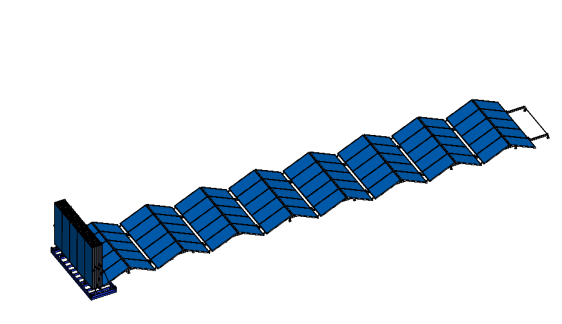
With so many options available, choosing the right foldable solar mounting system can feel overwhelming. But by focusing on a few key factors, you can find the perfect solution that meets all your project requirements.
Key Factors to Consider When Selecting Foldable Solar Brackets?
Overwhelmed by the technical specifications of foldable solar brackets? You're not alone.
When selecting foldable solar brackets, consider weight capacity, adjustability, corrosion resistance, and ease of assembly to ensure they meet your project's specific needs and environmental conditions.
Understanding Load Capacity Requirements
The first thing I learned when working with foldable solar systems was that not all brackets are created equal. You need to calculate:
- Panel weight
- Potential snow/wind loads
- Additional equipment weight
| Panel Type | Average Weight | Recommended Bracket Capacity |
|---|---|---|
| Monocrystalline | 40-50 lbs | 75+ lbs |
| Polycrystalline | 35-45 lbs | 65+ lbs |
| Thin-film | 20-30 lbs | 50+ lbs |
Portability vs. Stability Trade-offs
Through trial and error, I discovered that the most portable systems often sacrifice some stability. For permanent installations, heavier-duty brackets are worth the extra weight, while portable applications benefit from lightweight aluminum designs.
Material Considerations
- Aluminum: Lightweight but less sturdy
- Steel: Durable but heavier
- Stainless steel: Best for coastal areas
Material, Durability, and Structural Stability Explained?
Seeing solar brackets fail after just one season? Material choice makes all the difference.
For maximum durability, choose foldable solar brackets made from marine-grade aluminum or galvanized steel with proper UV-resistant coatings to withstand harsh weather conditions long-term.
Corrosion Resistance Testing
I once made the mistake of using untreated steel brackets in a coastal area - within months they were pitted with rust. Now I always recommend:
- Salt spray tested materials
- Powder-coated finishes
- Stainless steel hardware
Structural Integrity Features
Look for:
- Reinforced hinge points
- Cross-bracing options
- Minimum 2mm thickness for metal components
Wind Load Ratings
Don't overlook this critical factor:
- 90+ mph rating for most residential
- 120+ mph for commercial/high wind areas
Why a Reliable Solar Mounting Supplier Makes the Difference?
Frustrated with inconsistent solar bracket quality? Your supplier matters more than you think.
A reputable solar mounting supplier provides certified products, engineering support, and warranty coverage that ensures your foldable system performs reliably for years to come.
Certification Importance
Always verify:
- ISO 9001 certification
- TUV or UL listings
- Local building code compliance
Technical Support Value
The best suppliers offer:
- Load calculation assistance
- Custom design services
- Installation guidance
Warranty Comparisons
Typical coverage periods:
- Budget options: 1-3 years
- Premium systems: 5-10 years
Conclusion
Choosing the right foldable solar mounting system requires balancing portability, durability, and supplier reliability to ensure long-term project success.