Illuminate Smarter: How Solar Street Lights Cut Costs and Carbon Footprint for Your City?
Tired of skyrocketing energy bills and environmental guilt? Solar street lights1 offer cities a brilliant solution to slash costs while dramatically reducing carbon emissions.
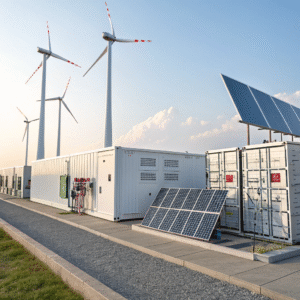
Solar street lights cut municipal costs by eliminating electricity bills and reducing maintenance expenses while significantly lowering carbon footprints2 through renewable energy use, making cities more sustainable and budget-friendly.

The transformation happening in cities worldwide isn't just about brighter streets—it's about smarter financial decisions and environmental responsibility. As urban planners and city officials grapple with tightening budgets and climate commitments, solar street lighting emerges as the game-changing solution that delivers on both fronts. Let's explore how this technology is revolutionizing urban infrastructure, one light at a time.
Brighter Nights, Safer Streets: Enhancing Community Security with Intelligent Solar Lighting?
Darkness breeds danger, but traditional lighting solutions drain budgets. Smart solar street lights transform unsafe areas into secure, well-lit community spaces affordably.
Solar street lights enhance community security through consistent, reliable illumination powered by renewable energy, featuring motion sensors and smart controls that adapt to activity levels while maintaining cost-effective operation.
The connection between adequate lighting and community safety is undeniable, and solar street lights excel in this critical area. Unlike traditional grid-dependent lighting that can fail during power outages, solar systems provide uninterrupted illumination when it's needed most. Modern solar street lights incorporate advanced features like motion detection, automatic dimming, and remote monitoring capabilities that optimize both security and energy efficiency.
| Security Feature | Traditional Lighting | Solar Street Lights |
|---|---|---|
| Power Reliability | Grid-dependent | Independent operation |
| Motion Detection | Rarely included | Standard feature |
| Remote Monitoring | Limited | Advanced connectivity |
| Emergency Operation | Fails during outages | Continuous operation |
These intelligent systems can detect movement and automatically increase brightness levels, deterring criminal activity while conserving energy during low-traffic periods. The psychological impact of consistent, reliable lighting cannot be overstated—communities report feeling safer and more confident using public spaces when solar lighting is properly implemented.
Unplug & Light Up: The Simplicity and Freedom of Wire-Free Solar Street Light Installation?
Complex infrastructure projects drain time and money. Solar street lights eliminate trenching, wiring, and grid connections, delivering instant illumination freedom.
Wire-free solar street light installation eliminates costly trenching, electrical infrastructure, and grid connections, reducing installation time from weeks to days while providing complete energy independence.
The installation advantages of solar street lights represent a paradigm shift in urban infrastructure development. Traditional street lighting requires extensive groundwork, including trenching for electrical cables, transformer installations, and complex grid connections that can take weeks or months to complete. Solar installations, by contrast, can be completed in a matter of hours per unit.
This simplified approach dramatically reduces project costs and timelines. Cities save thousands of dollars per mile on electrical infrastructure alone, while avoiding the disruption to traffic and commerce that traditional installations cause. The modular nature of solar systems also means easy expansion—adding new lights requires no additional electrical work or permits.
| Installation Factor | Traditional Method | Solar Method |
|---|---|---|
| Trenching Required | Yes | No |
| Electrical Permits | Multiple | Minimal |
| Installation Time | 2-4 weeks | 1-2 days |
| Traffic Disruption | Significant | Minimal |
Furthermore, remote locations that were previously cost-prohibitive to light become accessible with solar technology, expanding safety and security coverage to previously underserved areas.
Your Grid-Independent Glow: Reliable Lighting, Even When the Power Goes Out, Thanks to Solar Street Lights?
Power outages leave communities vulnerable and cities scrambling. Solar street lights provide unwavering illumination, maintaining safety when the grid fails.
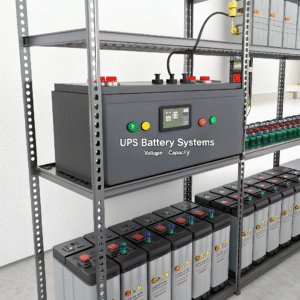
Grid-independent solar street lights ensure continuous operation during power outages through integrated battery storage, providing reliable emergency lighting3 that enhances community resilience and reduces infrastructure vulnerability.
Grid independence represents perhaps the most compelling advantage of solar street lighting systems. During natural disasters, emergencies, or routine power failures, traditional street lights go dark precisely when communities need illumination most. Solar street lights, equipped with advanced battery storage4 systems, continue operating seamlessly regardless of grid status.
Modern solar systems typically provide 3-5 days of autonomous operation even during cloudy conditions, ensuring consistent performance year-round. This reliability translates into measurable benefits for emergency services, traffic safety, and community confidence during challenging situations.
| Reliability Metric | Grid-Dependent | Solar Independent |
|---|---|---|
| Storm Operation | Fails immediately | Continues 3-5 days |
| Maintenance Windows | Service interruption | Unaffected operation |
| Peak Demand Issues | Potential brownouts | Consistent performance |
| Infrastructure Attacks | System-wide failure | Individual unit impact only |
The financial implications extend beyond immediate savings—cities reduce liability risks associated with dark streets during emergencies, while insurance companies increasingly recognize and reward infrastructure resilience5 improvements. This grid independence also protects against rising electricity costs and potential energy shortages, providing long-term budget stability that traditional lighting simply cannot match.
Conclusion
Solar street lights deliver triple benefits: slashing municipal energy costs, eliminating carbon emissions, and providing reliable illumination that keeps communities safe and sustainable.
Explore how solar street lights can save costs and reduce carbon footprints for urban areas. ↩
Discover the environmental impact of solar street lights on urban sustainability. ↩
Discover how solar street lights provide crucial illumination during emergencies. ↩
Explore the technology that ensures solar lights function during power outages. ↩
Understand how solar street lights contribute to stronger urban infrastructure. ↩