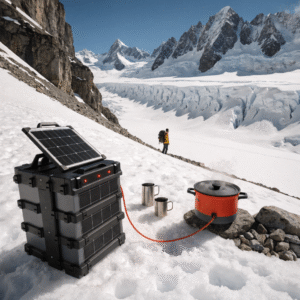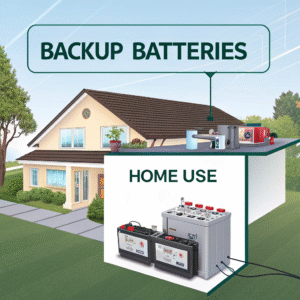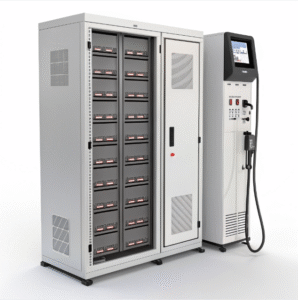
Implementing PV + Energy Storage Systems in Cold Regions: Is It Feasible?
Cold regions pose unique challenges for PV and energy storage systems, but with the right strategies, these hurdles can be overcome to ensure reliable renewable energy generation.
Yes, PV + storage systems can thrive in cold climates by using temperature-resistant batteries, optimizing panel angles for snow shedding, and leveraging ground-mounted designs for easier maintenance.
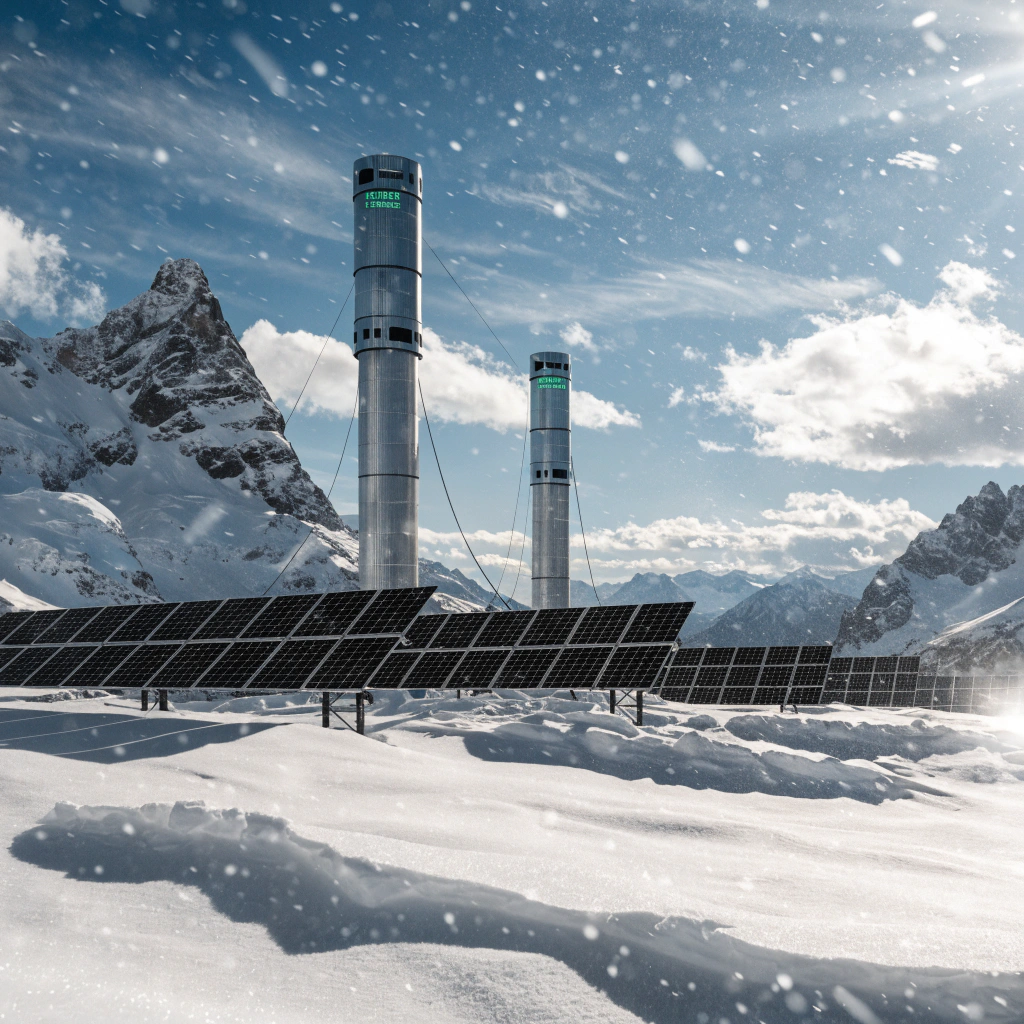
While cold weather presents obstacles, innovative solutions are making PV + storage systems increasingly viable in frigid environments. Let's explore the key strategies for success.
Practical Ways to Keep Batteries Efficient in Low Temperatures: What Works Best?
Battery performance plummets in freezing conditions – but you don't have to accept poor efficiency as inevitable.
Maintain battery efficiency in cold climates by using lithium-ion phosphate (LFP) chemistry, implementing thermal management systems, and ensuring proper insulation around storage units.
Battery Chemistry Selection
- LFP batteries: Perform better in cold than traditional lithium-ion
- Lead-acid: Requires frequent equalization charges in cold weather
- Flow batteries: Naturally better for cold climates but higher upfront cost
Thermal Management Solutions
| Solution | Effectiveness | Cost Impact |
|---|---|---|
| Active heating | High | $$$ |
| Passive insulation | Medium | $ |
| Underground placement | High | $$ |
Maintenance Considerations
- State of Charge: Keep batteries above 50% charge in freezing temps
- Monitoring: Install temperature sensors with remote alerts
- Location: Place batteries in heated enclosures when possible
Case studies show properly managed systems can maintain >90% efficiency even at -20°C when these measures are implemented.
Optimizing On-Site Layout for PV Panels and Storage Systems: How to Maximize Efficiency?
A poorly designed layout can sabotage your cold-climate solar project before it even begins producing power.
Optimize layouts by increasing panel tilt angles for snow shedding, grouping storage systems for easier thermal management, and creating accessible maintenance pathways.
Panel Placement Strategies
- Tilt angles: 45°+ helps snow slide off naturally
- Row spacing: Wider gaps prevent snow pile-up between rows
- Height: Elevated mounts reduce snow coverage risk
Storage System Configuration
Do's:
✔ Cluster batteries for shared thermal management
✔ Orient for maximum sun exposure (helps with passive heating)
✔ Include clear service access paths
Don'ts:
✘ Place in low-lying areas prone to snow drifts
✘ Locate far from monitoring equipment
✘ Install without considering future expansion
Ground vs Roof Mounting
| Factor | Ground Mount | Roof Mount |
|---|---|---|
| Snow removal | Easier | Difficult |
| Maintenance | More accessible | Limited access |
| Cost | Higher upfront | Lower cost |
Case Studies and Lessons from Cold-Region PV + Storage Projects: What Have We Learned?
Real-world projects in Alaska, Scandinavia and Canada reveal both successes and costly mistakes in cold-climate solar implementations.
Key lessons include the importance of oversizing systems for winter, using automated snow removal systems, and selecting cold-optimized components from the start.
Notable Projects Analysis
Successful Implementations:
-
Alaska's Kotzebue Project
- 576 kW PV + 1.2 MWh storage
- Key feature: Integrated heating system for batteries
- Result: 92% winter availability
-
Swedish Arctic Installation
- 2 MW system with tracking snow-shedding panels
- Innovation: Automated tilt adjustment for snow removal
- Outcome: 18% higher winter yield than fixed systems
Common Failure Points:
- Underestimating snow load requirements
- Poor battery insulation leading to capacity loss
- Inadequate maintenance planning for winter conditions
Winter Performance Data
| Location | Summer Output | Winter Output | Drop Percentage |
|---|---|---|---|
| Fairbanks, AK | 1,200 kWh/kW | 300 kWh/kW | 75% |
| Tromsø, Norway | 1,050 kWh/kW | 180 kWh/kW | 83% |
| Yellowknife, Canada | 1,150 kWh/kW | 250 kWh/kW | 78% |
Conclusion
Cold-region PV+storage systems require specialized design but can deliver reliable renewable energy year-round with proper implementation.