Innovative Technologies in Energy Storage Products: Driving the Future of Green Energy?
The global push for sustainable energy solutions has never been stronger. But how are cutting-edge technologies revolutionizing energy storage to meet this demand?
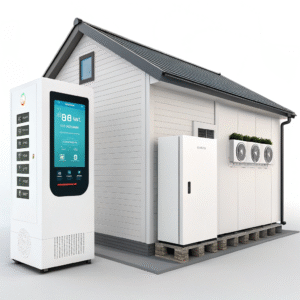
Innovative energy storage technologies like solid-state batteries, advanced thermal management, and modular designs are enabling safer, more efficient, and scalable solutions for renewable energy integration.
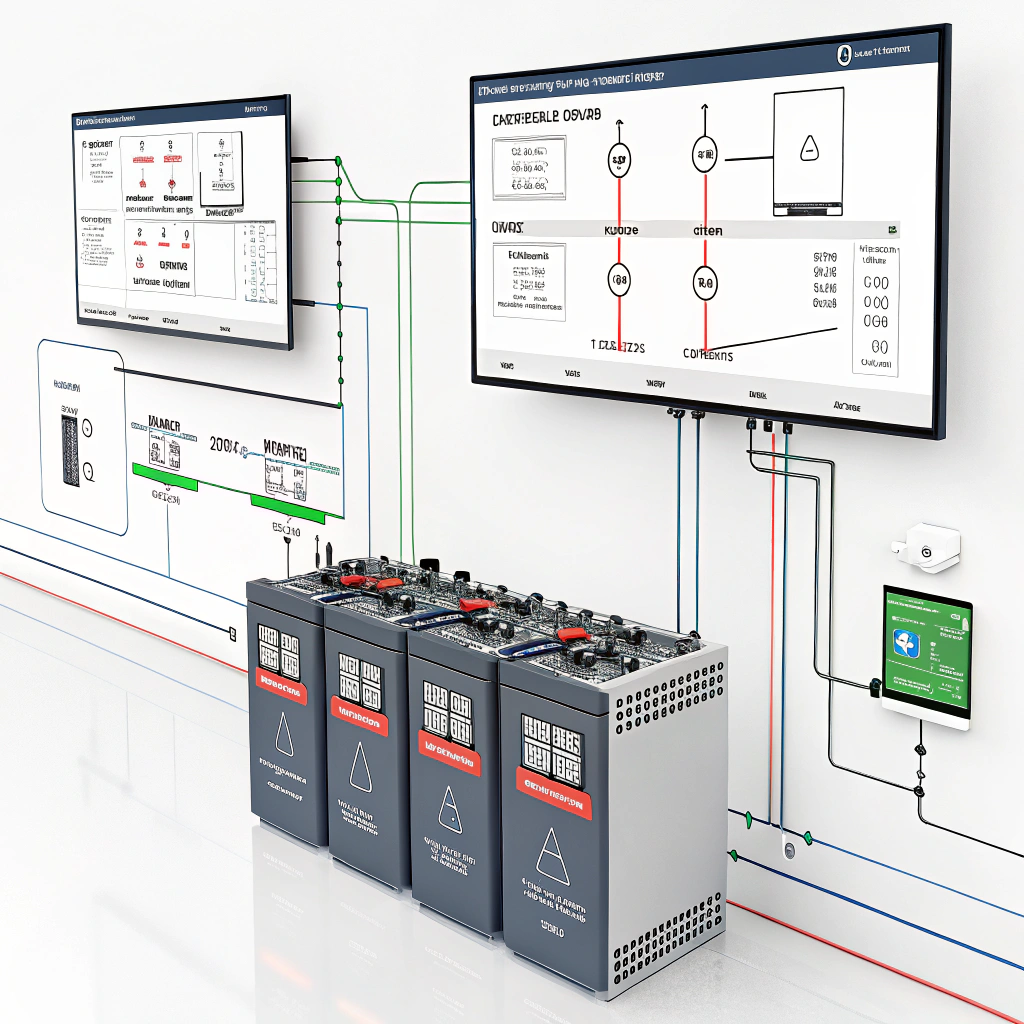
As we transition to renewable energy sources, reliable storage systems become critical. Let's explore the groundbreaking technologies shaping this industry.
Solid-State Battery Technology: Higher Safety and Stronger Energy Density1?
What if your battery never caught fire and lasted twice as long?
Solid-state batteries replace liquid electrolytes with solid materials, offering superior safety, higher energy density (2-3x lithium-ion), and longer lifespans (10+ years), making them ideal for EVs and grid storage.
Why Solid-State Outperforms Traditional Batteries
-
Safety Advantages
- No flammable liquid electrolytes → Eliminates thermal runaway risk
- Operates at higher temperatures (up to 100°C vs. 60°C limit for Li-ion)
-
Performance Metrics Parameter Lithium-ion Solid-state Improvement Energy Density1 250 Wh/kg 500 Wh/kg 100% ↑ Cycle Life 1,000 5,000+ 400% ↑ Charge Time 30 min 10 min 67% ↓ -
- Manufacturing complexity (thin ceramic layers)
- Current costs (~$500/kWh vs. $137/kWh for Li-ion)
- Major players: QuantumScape (EVs), Ilika (IoT), Toyota (2027 production target)
Thermal Management Technology: Ensuring Stable Operation in Extreme Environments?
Imagine energy storage that works flawlessly from -40°C to 60°C.
Advanced thermal management systems use phase-change materials and liquid cooling to maintain optimal battery temperatures, preventing degradation and ensuring 99.9% uptime in harsh conditions.
Cutting-Edge Thermal Solutions
A. Phase-Change Materials3 (PCMs)
- Paraffin-based: Absorbs heat during melting (25-50°C range)
- Metal foam-enhanced: 3x better thermal conductivity
B. Liquid Cooling Designs[^4]
- Direct Contact (Tesla's "Biscuit Tin" design)
- Coolant flows between cells → ΔT <2°C across pack
- Immersion Cooling (Porsche's 800V system)
- Dielectric fluid submerges cells → 30% faster heat dissipation
C. AI-Powered Predictive Systems[^5]
- Machine learning analyzes 100+ sensor inputs to anticipate thermal events
- Example: Northvolt's system reduces cooling energy use by 20%
Modular Design: The Core Advantage for Easy Expansion and Maintenance?
What if you could upgrade your energy storage like Lego blocks?
Modular energy storage systems allow customizable capacity scaling (from 10kWh to 10MWh+), reduce maintenance costs by 40%, and enable seamless technology upgrades without system replacement.
The Modular Advantage Breakdown
| 1. Scalability Matrix | Module Size | Typical Use Case | Expansion Capability |
|---|---|---|---|
| 5kWh | Residential solar | Add units monthly | |
| 50kWh | Commercial peak shaving | Hot-swappable racks | |
| 500kWh | Utility-scale storage | Containerized systems |
2. Maintenance Benefits
- Faulty module isolation → System stays 80% operational during repairs
- Standardized components reduce spare part inventory by 60%
3. Future-Proofing
- Tesla's Megapack 2 allows chemistry upgrades (LFP → solid-state)
- Fluence's StackOS enables software updates for performance boosts
Conclusion
Solid-state batteries, intelligent thermal management, and modular architectures are transforming energy storage - making renewable integration safer, more efficient, and infinitely scalable.
Explore our energy storage solutions | Download the whitepaper