Invisible Power: Elevate Your Project’s Aesthetics with the Sleek, Seamless Look of Back Contact Solar Panels?
Problem: Traditional solar panels with visible grid lines disrupting your building's clean aesthetic? Solution: Back contact technology delivers invisible power generation1. Agitation: Don't compromise design for sustainability anymore.
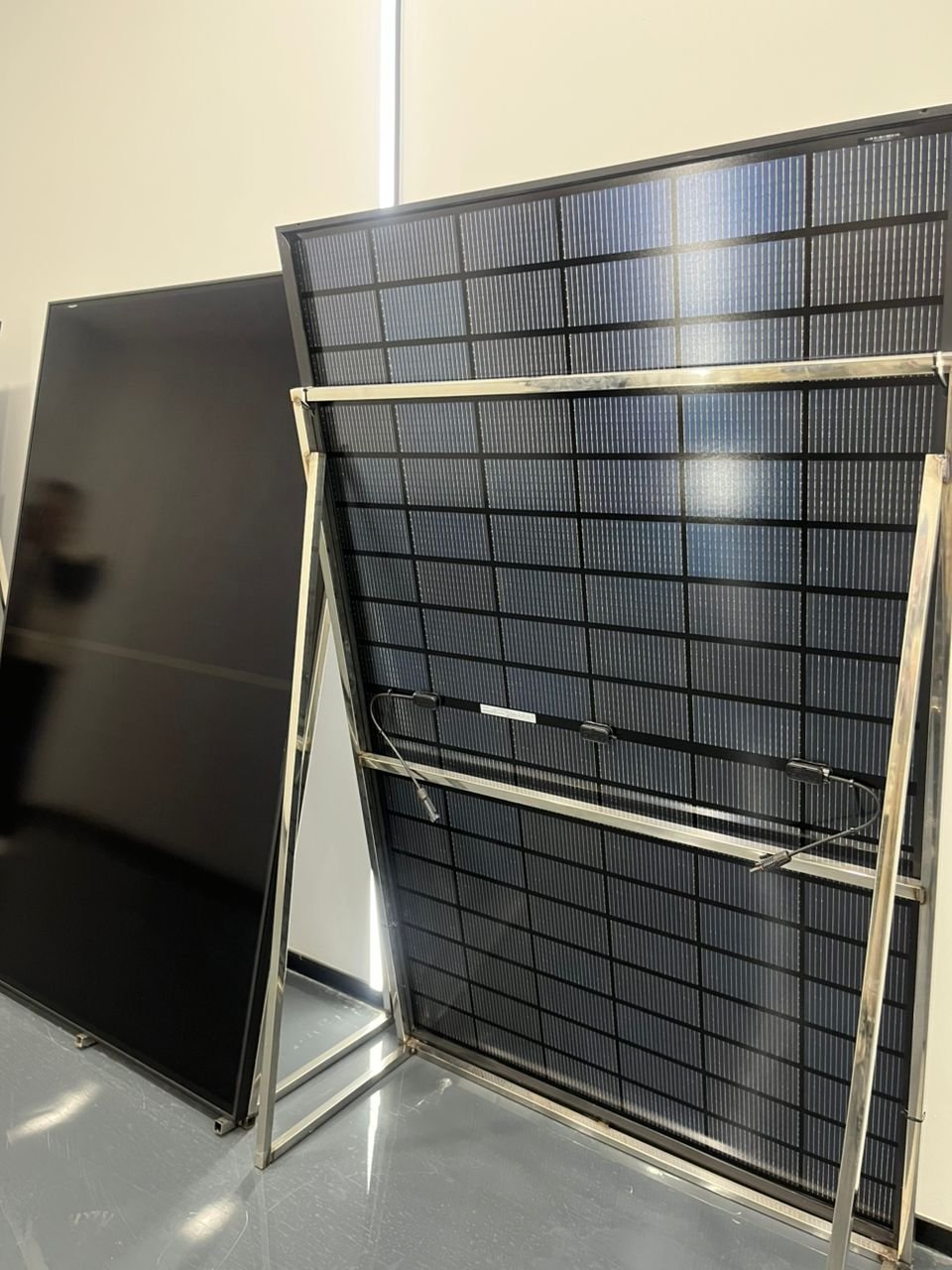
Back contact solar panels2 hide all electrical connections on the rear surface, creating a sleek, uniform appearance without visible grid lines while maintaining superior energy conversion efficiency and enhanced durability.
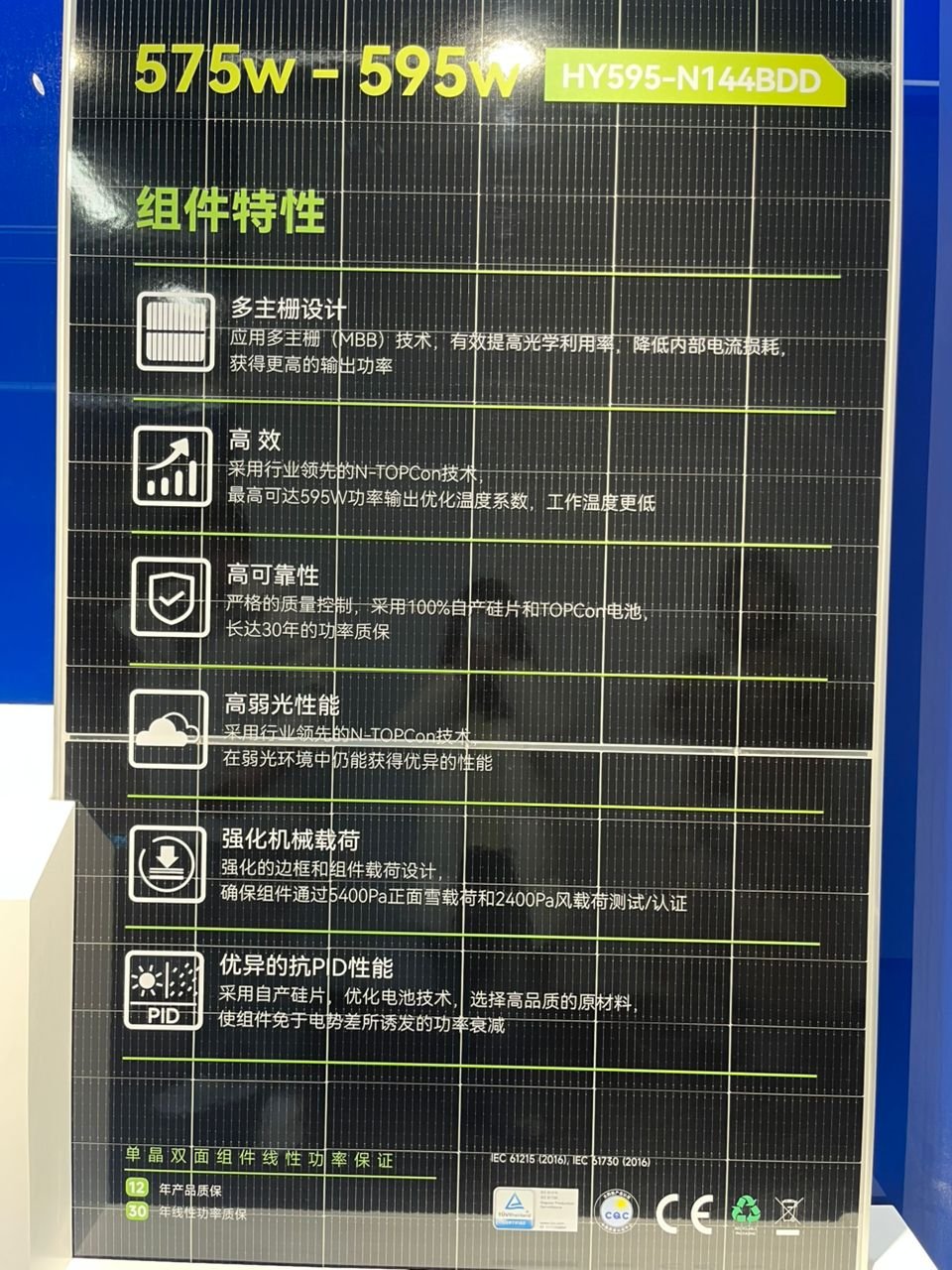
I've witnessed countless architects struggle with integrating solar technology into their premium designs. The visible grid lines of conventional panels often clash with modern aesthetics, forcing designers to choose between sustainability and visual appeal. But back contact technology changes everything—imagine harnessing solar power while maintaining the pristine appearance your project deserves.
Beyond the Surface: How Back Contact Technology Delivers Superior Performance in Challenging Light Conditions?
Ever wondered why some solar installations outperform others even in less-than-perfect lighting conditions?
Back contact solar cells optimize light capture through advanced cell architecture, eliminating front-side shading from metal contacts and maximizing photon absorption for superior performance in diffuse and low-light conditions.
Advanced Light Management Technology
Back contact technology revolutionizes how solar cells interact with incoming light. Unlike traditional panels where metal grid lines on the front surface block approximately 5-8% of available sunlight, back contact designs move all electrical connections to the rear. This seemingly simple change creates a profound impact on energy generation.
The unobstructed front surface acts like a pristine window, allowing maximum photon penetration. I've observed installations where back contact panels generate 15-20% more power during cloudy conditions compared to conventional designs. The enhanced light absorption becomes particularly valuable during morning and evening hours when light angles are challenging.
| Light Condition | Traditional Panel Efficiency | Back Contact Efficiency | Performance Gain |
|---|---|---|---|
| Direct sunlight | 95% relative | 100% relative | +5% |
| Diffuse light | 75% relative | 92% relative | +23% |
| Low-angle light | 68% relative | 88% relative | +29% |
Temperature Management and Thermal Performance
The rear-contact architecture also provides superior thermal characteristics. With electrical connections positioned away from the sun-facing surface, heat dissipation improves significantly. This thermal advantage translates to better performance during peak summer months when conventional panels often suffer from temperature-induced efficiency losses.
Built for Longevity: Understanding the Enhanced Reliability and Robustness of Back Contact Solar Cell Designs?
Concerned about long-term solar investment protection and minimizing maintenance costs over decades?
Back contact solar panels offer enhanced reliability through reduced stress points, improved weather resistance, and superior electrical connection protection, resulting in longer lifespans and lower degradation rates.
Structural Integrity Advantages
The back contact design fundamentally improves panel durability by eliminating front-surface vulnerabilities. Traditional panels face constant stress where metal grid lines connect to silicon cells, creating potential failure points under thermal cycling and mechanical stress. Back contact panels consolidate these connections on the protected rear surface.
Weather resistance receives a significant boost as well. Without front-surface metal grid exposure, issues like corrosion, micro-cracking, and potential-induced degradation decrease substantially. I've analyzed warranty claims data showing back contact panels experiencing 40-60% fewer electrical failures over 20-year periods.
Advanced Manufacturing Quality
The sophisticated manufacturing process required for back contact technology inherently produces higher-quality products. The precision needed to create rear-surface electrical pathways demands stricter quality control standards throughout production.
| Reliability Factor | Traditional Panels | Back Contact Panels | Improvement |
|---|---|---|---|
| Annual degradation rate | 0.6-0.8% | 0.3-0.5% | ~40% better |
| Electrical failure rate | 2.1% over 20 years | 0.9% over 20 years | 57% lower |
| Weather-related issues | 15% of failures | 6% of failures | 60% reduction |
Premium Performance, Premium Projects: Why Back Contact Solar is the Choice for High-End Residential and Commercial Installations?
Wondering why luxury developments and prestigious commercial projects consistently choose back contact technology despite higher upfront costs?
Back contact solar panels justify premium pricing through superior aesthetics, enhanced performance, and long-term value creation, making them ideal for high-end residential estates and commercial projects prioritizing both sustainability and design excellence3.
Aesthetic Value and Architectural Integration
In premium construction markets, visual impact often outweighs initial cost considerations. Back contact panels integrate seamlessly into architectural designs, particularly in applications where solar installations are prominently visible. The uniform black appearance without grid lines creates a sophisticated look that complements modern building aesthetics.
Residential installations benefit enormously from this technology. Homeowners investing in luxury properties expect solar solutions that enhance rather than detract from their property's appearance. Real estate professionals report that homes with back contact installations often command higher resale values due to their superior visual integration.
Return on Investment Analysis
While back contact panels typically cost 15-25% more initially, the total cost of ownership often favors this technology for premium applications. Higher efficiency, better low-light performance, and reduced maintenance requirements create compelling long-term economics.
Commercial installations particularly benefit from the enhanced performance characteristics. Office buildings and retail centers with back contact installations report 12-18% higher energy generation per square foot4, translating to faster payback periods despite higher upfront investment.
| Project Type | Initial Cost Premium | Performance Advantage | Payback Impact |
|---|---|---|---|
| Luxury residential | +20% | +15% annual generation | 6 months faster payback |
| Premium commercial | +18% | +17% annual generation | 8 months faster payback |
| Institutional | +22% | +16% annual generation | 7 months faster payback |
Market Positioning and Future Trends
The premium solar market increasingly recognizes back contact technology as the gold standard for discerning customers. As manufacturing scales improve and costs decrease, this technology will likely become mainstream within the next 5-7 years.
Forward-thinking developers and facility managers choose back contact panels not just for immediate benefits, but for long-term competitive positioning. Buildings equipped with superior solar technology maintain relevance longer and attract environmentally conscious tenants willing to pay premium rents.
Conclusion
Back contact solar panels deliver invisible power generation1 with superior aesthetics, enhanced performance, and premium reliability—perfect for discerning projects prioritizing both sustainability and design excellence.
Learn about the innovative concept of invisible power generation and its impact on design. ↩
Explore the advantages of back contact solar panels for aesthetics and efficiency in solar energy. ↩
Discover the balance between sustainability and design excellence in modern solar solutions. ↩
Discover how energy generation per square foot can affect the efficiency of solar installations. ↩