Is Home Solar Right for You? A Simple Guide to Getting Started with Renewable Energy?
Struggling with rising electricity bills1 while wanting to reduce your carbon footprint? Solar power might be your perfect solution.
Home solar is right for you if you want to reduce electricity bills, gain energy independence, and contribute to environmental sustainability, provided your location gets adequate sunlight and your roof is suitable for panels.
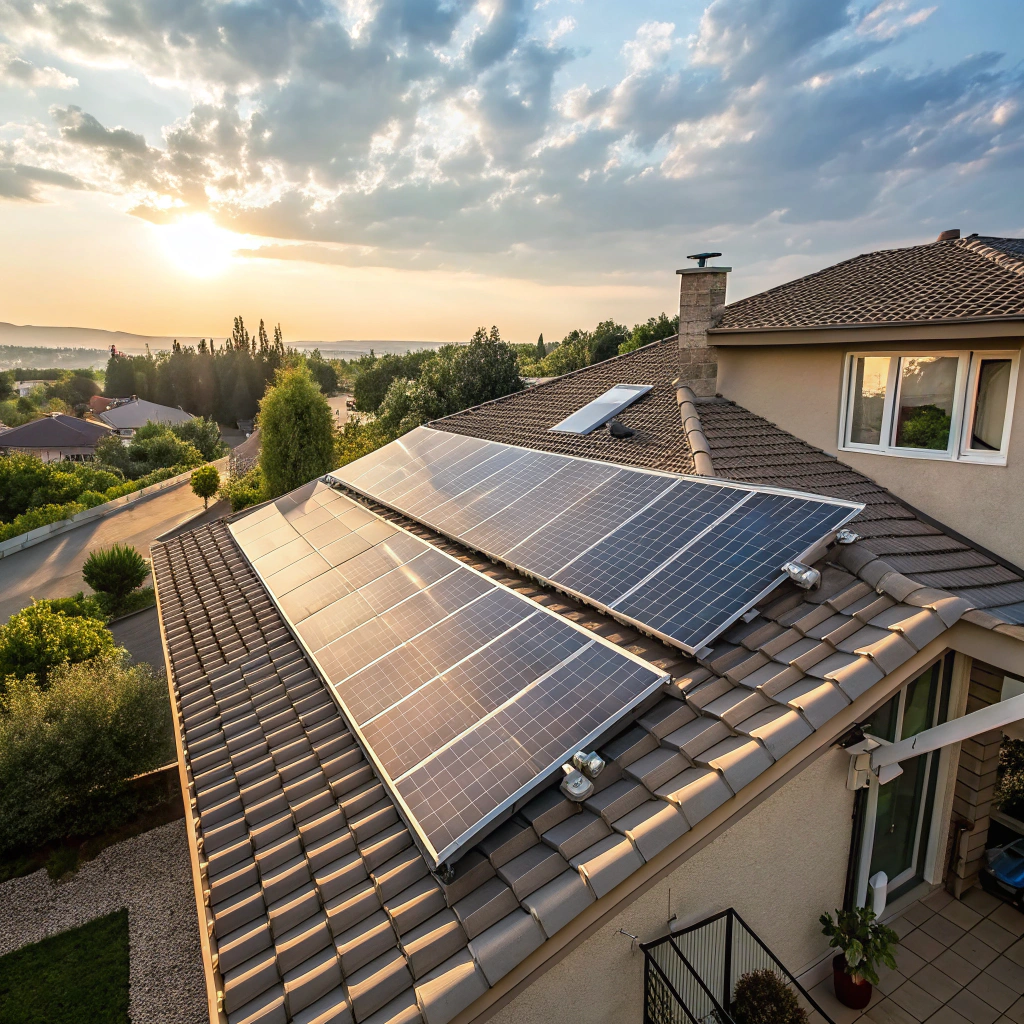
Transitioning to solar energy can seem daunting, but understanding the basics makes the decision much clearer. Let's explore whether solar is the right choice for your home.
Slash Your Electricity Bills: The Real Savings of Home Solar Power Explained
Tired of unpredictable energy costs eating into your monthly budget? Solar panels can provide long-term financial relief.
Home solar systems typically save homeowners 50-90% on electricity bills, with payback periods of 5-10 years, followed by decades of virtually free energy from the sun.
Understanding Solar Savings
The financial benefits of solar come from three main areas:
-
Reduced Utility Bills
- Solar panels generate free electricity during daylight hours
- Net metering programs credit you for excess energy sent back to the grid
-
Tax Incentives and Rebates
- Federal solar tax credit (currently 30% of system cost)
- State and local incentives that can further reduce costs
-
Increased Home Value
- Studies show solar panels increase home value2 by about 4% on average
| Savings Factor | Typical Benefit |
|---|---|
| Electricity Bill Reduction | 50-90% lower monthly costs |
| Payback Period | 5-10 years |
| System Lifespan | 25-30 years |
The exact savings depend on your:
- Local electricity rates
- System size
- Sun exposure
- Current energy usage
Solar panels always eliminate electricity bills completely. False
While many homeowners see dramatic reductions, most still have some minimal connection fees unless going completely off-grid.
Your Home, Your Power Station: Gaining True Energy Freedom with Residential Solar
What if you could take control of your energy production and protect yourself from rising utility rates?
Residential solar provides energy independence by generating your own clean electricity, protecting against rate hikes, and offering backup power options during outages when paired with batteries.
The Path to Energy Independence
-
Grid-Tied Systems
- Most common residential setup
- Remain connected to utility for nighttime power
- Can add batteries later for backup
-
Hybrid Systems
- Combine solar with battery storage
- Provide backup during outages
- Optimize self-consumption
-
Off-Grid Systems
- Complete energy independence
- Require significant battery storage
- Best for remote locations
Key considerations for energy independence:
- Battery Costs: Still significant but decreasing yearly
- Local Regulations: Some areas have restrictions on off-grid systems3
- Lifestyle Factors: Energy usage patterns affect system design
All solar systems provide power during blackouts. False
Only systems with battery storage4 or special inverters can provide backup power when the grid goes down.
Future-Proof Your Home: Why Solar is the Smartest Upgrade for Modern Living
Worried your home will become outdated as energy standards evolve? Solar is the upgrade that keeps giving.
Solar panels future-proof your home by increasing its value, meeting evolving energy standards, and preparing for electric vehicles and smart home technologies, making it a wise long-term investment.
Solar and the Home of the Future
-
EV Charging
- Solar can power electric vehicle charging
- Eliminates "fuel" costs for transportation
-
Smart Home Integration
- Works with energy management systems
- Allows optimization of energy use
-
Climate Resilience
- Provides backup power during extreme weather
- Reduces strain on the electrical grid
-
Sustainability Trends
- Meets growing demand for green homes
- Aligns with potential future carbon regulations
| Future Benefit | Solar Advantage |
|---|---|
| Electric Vehicles | Free charging from your roof |
| Home Value | Increased appraisal value |
| Energy Standards | Meets or exceeds requirements |
Solar panels become obsolete after 10 years. False
Modern solar panels typically maintain 80-90% of their production after 25 years.
Conclusion
Home solar offers financial savings, energy independence, and future-proofing benefits, making it a smart choice for many homeowners willing to make the initial investment.
Discover effective strategies to lower your electricity bills through solar energy solutions. ↩
Explore how installing solar panels can enhance your property's market value. ↩
Discover the advantages of going off-grid with solar energy for complete energy independence. ↩
Get insights on the latest battery storage solutions to maximize your solar energy use. ↩