Making Electricity Work Smarter — 3 Ways Energy Storage Batteries Change Our Lives
Ever faced a blackout and wished your home could keep the lights on? Energy storage batteries1 are revolutionizing how we use electricity, offering reliability, savings, and sustainability.
Energy storage batteries1 provide backup power2 during outages, reduce electricity bills3 by storing cheap energy, and enable solar users to maximize renewable energy use, transforming how we consume power.
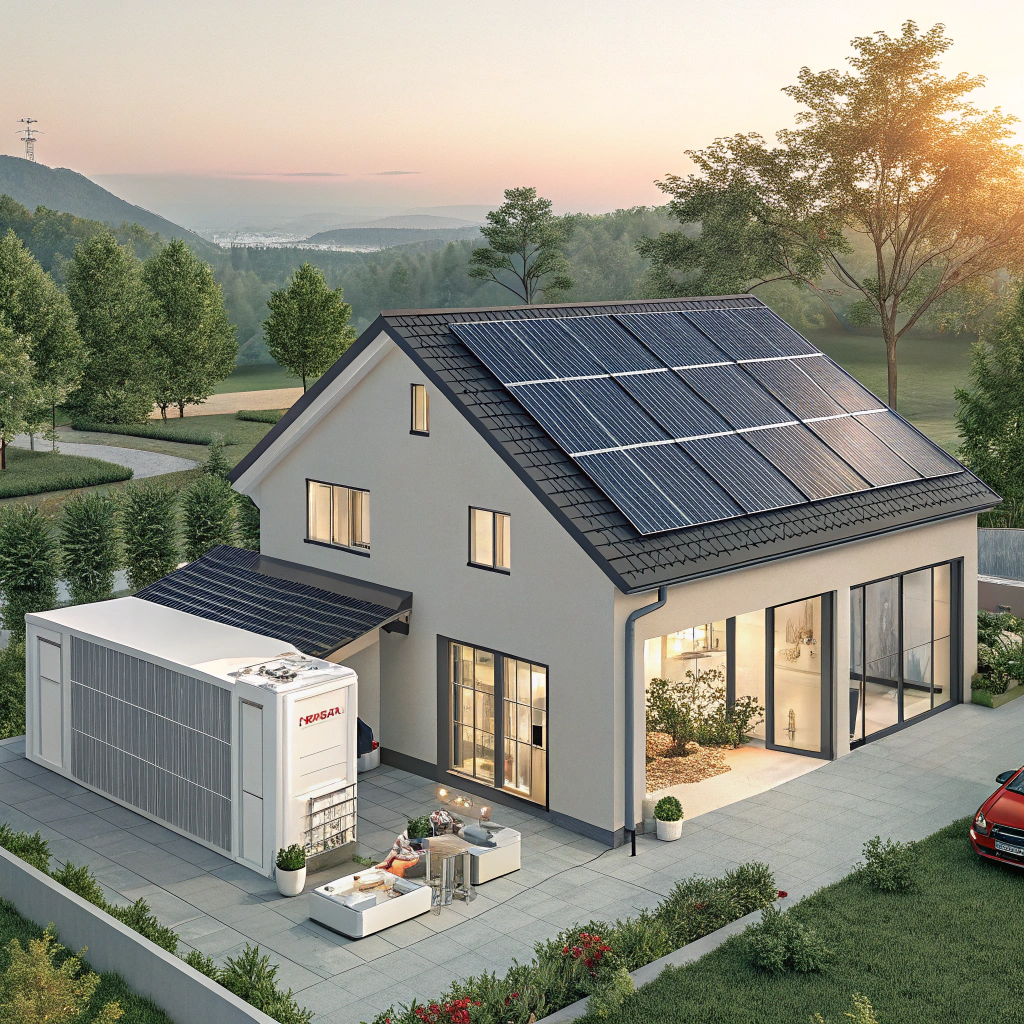
From unpredictable weather to rising energy costs, power disruptions and expenses are frustrating realities. But what if your home could become its own resilient power hub? Let’s explore how energy storage batteries make this possible.
Store Power at Home: Keep the Lights On Even During Blackouts
Power outages can disrupt life in an instant—but what if your home could stay running independently?
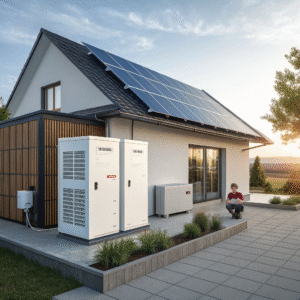
Home energy storage batteries act as a backup power2 source, automatically kicking in during outages to keep essential appliances running, ensuring safety and convenience.
How Backup Batteries Work
- Seamless Transition: When the grid fails, batteries instantly power your home (no more resetting clocks!).
- Critical Load Support: Prioritize refrigerators, medical devices, or Wi-Fi routers during extended outages.
- Weatherproof Resilience: Ideal for storm-prone areas, reducing reliance on noisy, fuel-dependent generators.
Key Features to Consider
| Feature | Benefit |
|---|---|
| Capacity (kWh) | Determines how long backup lasts |
| Power Output (kW) | Supports high-energy devices (e.g., AC) |
| Scalability | Add more batteries for longer coverage |
Pro Tip: Pair with solar panels[^4] to recharge batteries during daylight, creating a self-sustaining system.
Charge by Day, Use by Night: Save More on Your Electricity Bills
Why pay peak rates when you can store cheap energy for later?
Batteries let you stockpile electricity during off-peak hours (when rates are low) and use it during expensive peak times, slashing your bill by up to 30%.
Smart Energy Management
- Time-of-Use Optimization[^5]: Utilities charge less at night—store energy then, use it during peak afternoon hours.
- Demand Charge Avoidance: Businesses can dodge steep fees by drawing from batteries during high-usage periods.
- Grid Independence: Reduce reliance on utility price hikes and volatile energy markets.
Real-World Savings Example
| Scenario | Cost Without Battery | Cost With Battery |
|---|---|---|
| Peak Hour Usage | $0.25/kWh | $0.10/kWh (stored) |
| Monthly Savings | — | $60–$120 |
Did You Know? Some utilities offer rebates for battery installations to ease grid strain.
Combine Storage with Solar: Build Your Own Mini Power Station
Solar panels generate free energy—but what happens when the sun goes down?
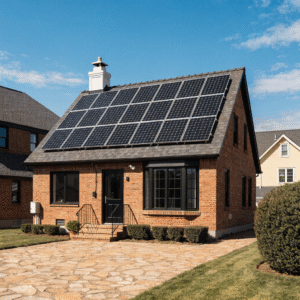
Adding batteries to solar systems stores excess daytime energy for nighttime use, maximizing self-consumption and reducing grid dependence by up to 80%.
Solar + Storage Synergy
- Energy Independence: Use your solar power 24/7, even during grid failures.
- Net Metering Boost[^6]: Sell surplus stored energy back to the grid for credits.
- Emergency Ready: Maintain power during natural disasters when the grid is down.
System Sizing Guide
| Home Size | Solar (kW) | Battery (kWh) | Autonomy |
|---|---|---|---|
| Small (1–2BR) | 5–7 kW | 10–13 kWh | 12–24 hours |
| Large (4+BR) | 10–15 kW | 20–30 kWh | 24–48 hours |
Future-Proofing: Modular batteries allow expansion as energy needs grow.
Conclusion
Energy storage batteries1 empower homes with uninterrupted power, lower bills, and greener energy—turning everyday electricity into a smarter, more resilient system.