Modular Design of Energy Storage Batteries: The Key to Future Energy Solutions?
Energy storage systems face growing demands for flexibility and scalability. Can modular battery design be the solution?
Modular energy storage batteries1 enhance flexibility, reduce costs, and simplify maintenance by allowing customizable capacity adjustments and easy component replacements, making them ideal for evolving energy needs.
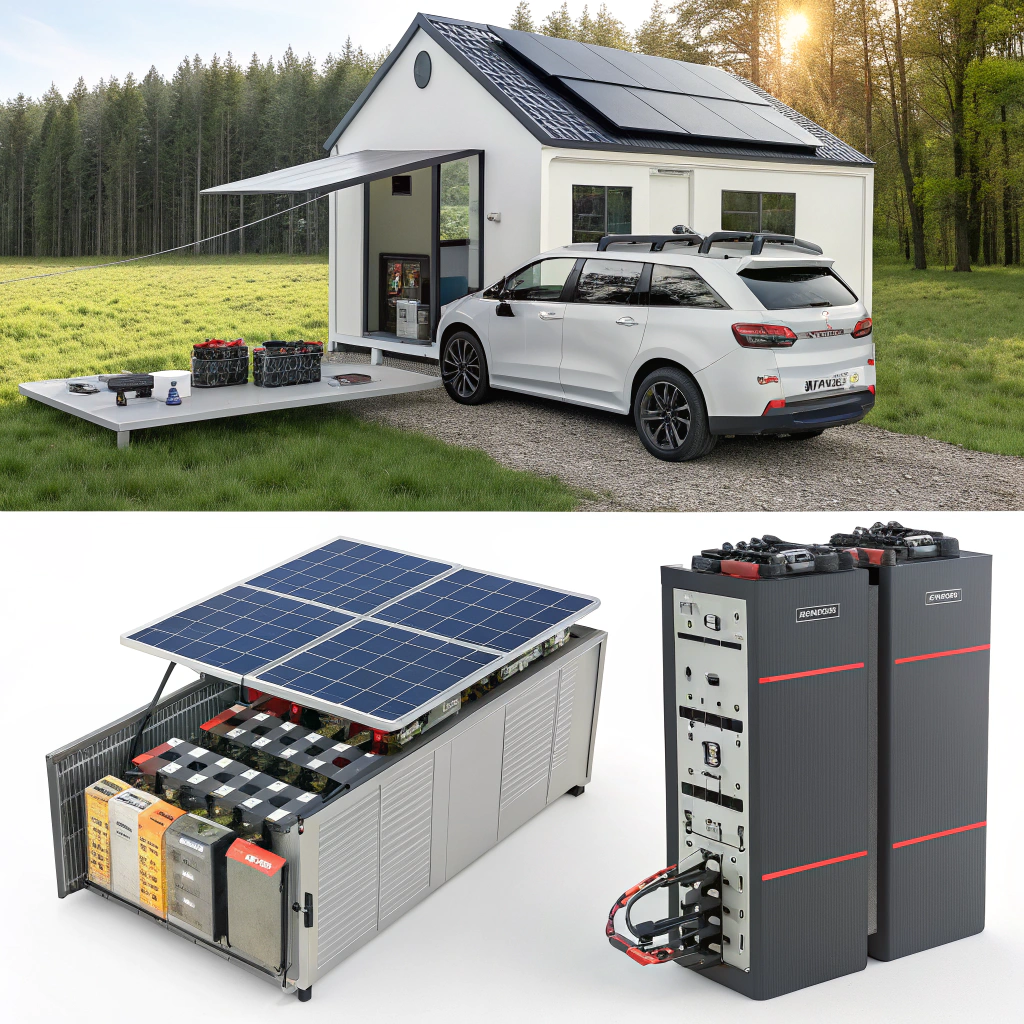
The energy sector is rapidly evolving, and modular battery designs are emerging as a game-changer. Let’s explore how this innovative approach addresses critical challenges in energy storage.
How Do Modular Energy Storage Batteries Enhance System Flexibility?
Struggling with rigid, oversized battery systems that can’t adapt to your changing energy needs?
Modular batteries improve flexibility by enabling capacity scaling, easy upgrades, and component-level maintenance. Users can add/remove modules as demand changes, avoiding costly system overhauls.
The Power of Scalability
Modular design revolutionizes energy storage through three key flexibility advantages:
-
- Start small and expand as needed
- Example: Solar farm can add 100kWh modules yearly
-
- Mix battery chemistries (Li-ion + flow batteries)
- Future-proof against tech advancements
-
- Replace single faulty modules
- No full system shutdowns required
| Flexibility Feature | Traditional Battery | Modular Battery |
|---|---|---|
| Capacity Adjustment | System replacement | Module addition |
| Technology Upgrade | Complete overhaul | Partial refresh |
| Maintenance Impact | Full shutdown | Localized work |
This granular control transforms how we approach energy storage projects, from residential to grid-scale applications.
Cost Benefits of Modular Energy Storage Battery Design
Why pay for capacity you don’t need today? Modular design slashes upfront costs while optimizing lifetime expenses.
Modular batteries reduce capital costs by 20-40% through right-sized initial deployments and lower replacement costs. Operational savings come from efficient maintenance and upgrade paths.
Breaking Down the Cost Advantages
Let’s examine the financial benefits through real-world scenarios:
Capital Expenditure (CapEx) Savings[^5]
- Initial system sized to current needs
- Avoid over-provisioning for future growth
- Example: 500kWh project saves $150k with phased module additions
Operational Expenditure (OpEx) Reductions[^6]
- Targeted module replacements vs full swaps
- 60% lower maintenance labor costs
- Energy density improvements through partial upgrades
Total Cost of Ownership Comparison
| Cost Factor | Traditional | Modular | Savings |
|---|---|---|---|
| Initial Purchase | $300k | $200k | 33% |
| 5-Year Maintenance | $80k | $30k | 63% |
| 10-Year Upgrade | $250k | $100k | 60% |
These savings make modular systems particularly attractive for budget-conscious projects and developing markets.
Why Is Modular Design the Future Trend of Energy Storage Systems?
As energy needs become more dynamic, can traditional monolithic batteries keep up?
Modular design is the future because it addresses critical industry challenges: evolving technology, diverse applications, and sustainability requirements through adaptable, upgradeable architectures.
The Case for Modular Dominance
Three compelling reasons why modular will dominate:
-
Technology Evolution
- Seamlessly integrate new battery chemistries
- Example: Transition from NMC to solid-state modules
-
Application Diversity
- Custom configurations for:
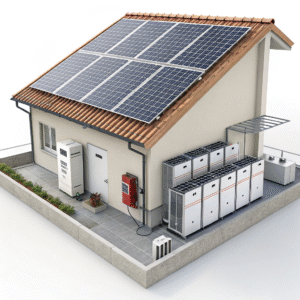
- Residential (stackable wall units)
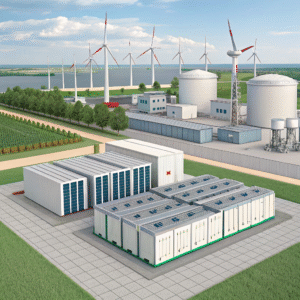
- Commercial (containerized solutions)
- Utility-scale (modular megawatt systems)
- Custom configurations for:
-
- Simplified end-of-life processing
- Module-level repurposing and recycling
- 90% material recovery rate vs 60% for traditional
- 2025: 30% market share
- 2030: 65% market share
- 2040: 90% market share
This trajectory confirms modular design as the foundation for next-gen energy storage.
Conclusion
Modular battery design delivers unmatched flexibility, cost savings, and future-readiness, making it the cornerstone of tomorrow’s energy storage solutions.