Modular Energy Storage Batteries: Building a More Flexible Energy System?
Energy systems need adaptability to meet fluctuating demands. Modular energy storage batteries1 offer the perfect solution with their scalable and flexible design.
Modular energy storage batteries1 enhance system flexibility2 by allowing capacity adjustments3 through adding or removing units, ensuring optimal performance tailored to specific energy needs.
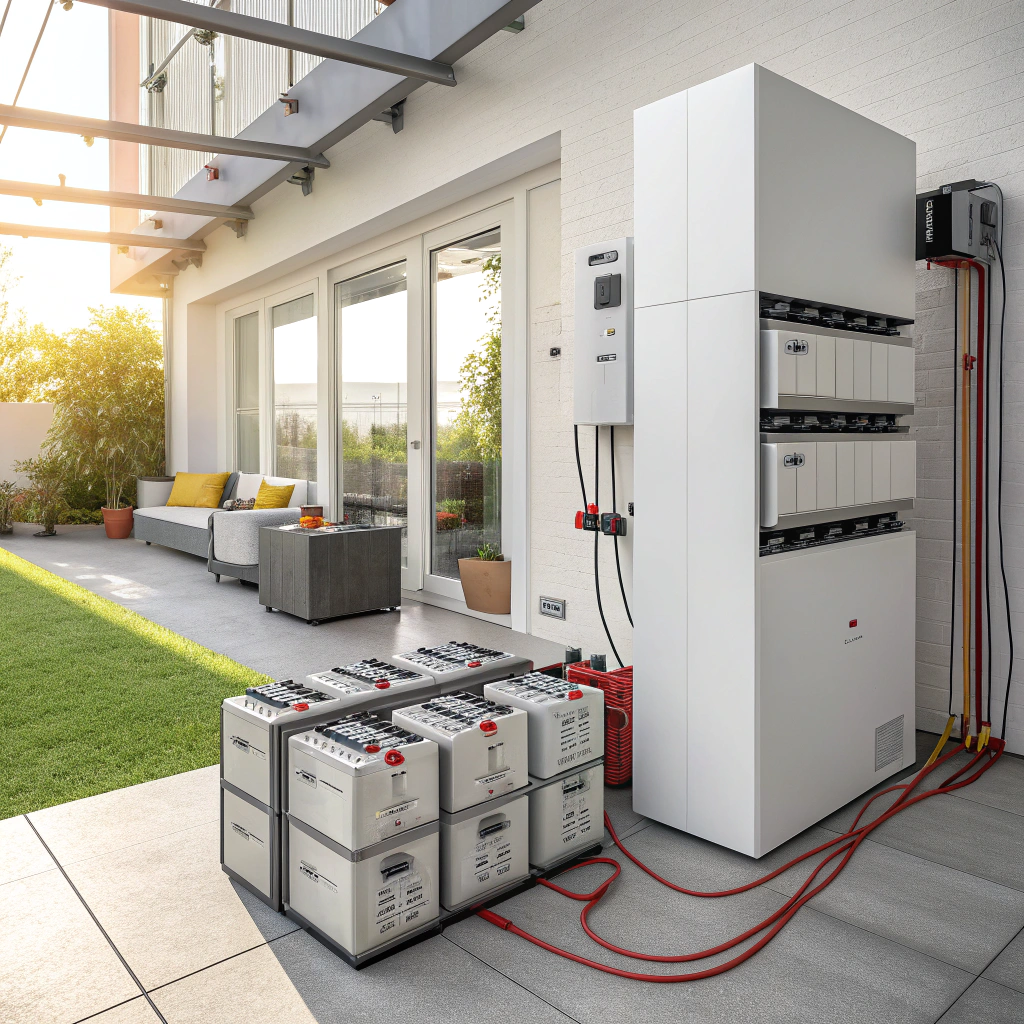
Modular Battery Installation
Transitioning from traditional monolithic systems to modular designs[^4] isn't just an upgrade—it's a revolution in how we approach energy storage. The ability to scale capacity up or down with simple unit additions or subtractions provides unprecedented control over energy management. This flexibility is particularly valuable in today's rapidly changing energy landscape, where demands can shift dramatically based on time of day, season, or unexpected grid events.
How Does Modular Design Improve System Reliability?
Ever experienced a total system failure because of one faulty component? Modular batteries eliminate this single point of failure risk.
Modular design improves reliability through redundancy[^5] - if one unit fails, others continue operating, maintaining system functionality while the faulty module is repaired or replaced.
Redundancy in Modular Systems
Fault Isolation and Maintenance Benefits
The beauty of modular systems lies in their compartmentalization. Unlike traditional battery banks where a single cell failure can cripple the entire system, modular designs[^4] contain faults to individual units. This means:
- Minimized downtime: Only the affected module needs attention
- Easier diagnostics: Problems are immediately localized
- Hot-swappable repairs: No need to take the whole system offline
| Traditional System | Modular System |
|---|---|
| Single point of failure | Distributed failure risk |
| Complete shutdown for repairs | Partial capacity remains operational |
| Complex troubleshooting | Immediate fault identification |
Scalable Redundancy Options
Modularity also allows for strategic redundancy[^5] planning. Critical facilities can install:
- N+1 redundancy[^6]y](https://3laws.io/redundant-systems-enhancing-reliability-fault-tolerance/)[^5] (one extra module)
- N+2 configurations for ultra-critical applications
- Dynamic adjustment based on changing reliability needs
This scalability ensures you only pay for the level of redundancy[^5] you actually need, unlike traditional systems that often require over-provisioning.
Modular batteries can continue operating with failed units.True
Functional modules maintain operation while failed units are isolated and replaced.
Traditional battery systems offer better redundancy[^5] than modular designs[^4].False
Monolithic systems lack the compartmentalization that makes modular redundancy[^5] effective.
Why Is Modular Storage More Suitable for Fast-Deployment Projects?
Time is money in energy projects. Modular batteries slash installation timelines from months to weeks.
Modular storage excels in fast deployment[^7] because units arrive pre-assembled and tested, requiring only simple connections rather than complex on-site construction and commissioning.
Rapid Modular Installation
Plug-and-Play Advantages
The speed advantage comes from several key factors:
- Factory completion: 95% of assembly occurs in controlled environments
- Standardized interfaces: Uniform connection points simplify installation
- Pre-commissioning: Units arrive fully tested and validated
I recall a project where we deployed 2MWh of storage in just three weeks - something that would have taken 3-4 months with traditional systems. The client couldn't believe how quickly they could start realizing value from their investment.
Transportation and Site Adaptability
Modular units also solve logistical challenges:
- Smaller, standardized shipping dimensions
- No need for specialized heavy equipment on site
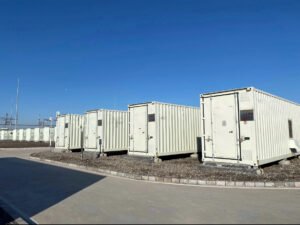
- Flexible placement options (containers, indoor racks, etc.)
This makes modular ideal for:
- Temporary emergency power
- Rapid grid support installations
- Remote locations with limited infrastructure
Modular batteries can be installed 50-70% faster than traditional systems.True
Pre-assembled units dramatically reduce on-site labor requirements.
Custom-built systems deploy faster than modular solutions.False
Site construction and commissioning make traditional approaches slower.
How Much Convenience Does Modularity Bring to Maintenance?
Remember the last time you had to take an entire system offline for a minor repair? Modular batteries make those days history.
Modularity transforms maintenance by enabling individual unit servicing without system shutdowns, reducing downtime by up to 90% compared to traditional battery maintenance approaches.
Targeted Module Replacement
Maintenance Cost Breakdown
The financial benefits of modular maintenance are substantial:
| Maintenance Aspect | Traditional System | Modular System |
|---|---|---|
| Downtime costs | High (full shutdown) | Minimal (localized) |
| Labor hours | Extensive (full system access) | Focused (single module) |
| Spare parts | Large, expensive components | Compact, affordable modules |
| Testing requirements | Comprehensive system checks | Isolated module validation |
Predictive Maintenance Integration
Modern modular systems take this further with:
- Individual module monitoring
- Automated performance tracking
- Predictive failure alerts
- Scheduled "rolling" maintenance
This proactive approach extends overall system life while minimizing unexpected outages. The ability to rotate modules for maintenance creates a "ship of Theseus" effect - the system continuously renews itself without service interruptions.
Modular systems reduce maintenance downtime[^8] by isolating faults.True
Only affected modules require servicing, keeping the majority operational.
Traditional battery systems allow easier maintenance access.False
Monolithic designs often require complete disassembly for repairs.
Conclusion
Modular energy storage batteries1 deliver flexibility, reliability, and cost-efficiency through scalable, maintainable designs that adapt to evolving energy needs.